
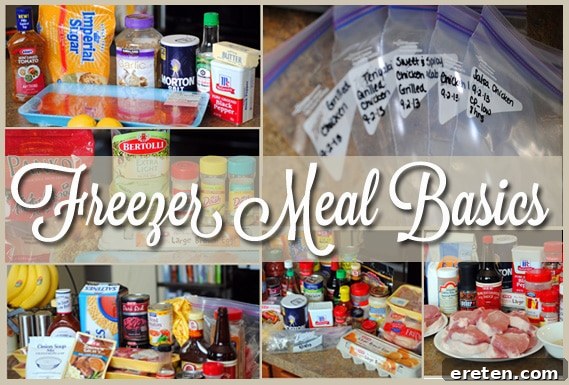
The Ultimate Guide to Freezer Meal Prep: Save Time, Money, and Your Sanity
In today’s fast-paced world, the concept of freezer meal preparation has surged in popularity, offering a practical solution for busy individuals and families alike. From quick weeknight dinners to healthy lunches, making meals ahead and freezing them can revolutionize your kitchen routine. If you’ve ever found yourself asking “how to,” “how much,” or “why” when it comes to batch cooking for your freezer, you’ve come to the right place. This comprehensive guide will demystify the process, providing you with actionable tips and strategies to become a freezer meal master.
Why Embrace the Freezer Meal Lifestyle? Beyond Just Convenience
While everyone may have their own approach to freezer meals, the core benefits are universally appealing. My primary motivations for investing time in freezer meal prep boil down to significant time savings and considerable cost reductions, but the advantages extend far beyond these two. Imagine arriving home after a long day, not having to ponder what to cook, or facing the temptation of expensive takeout. With a freezer stocked with delicious, homemade meals, that vision becomes a reality.
One major perk is the convenience it offers to every member of the household. My husband, for instance, who isn’t keen on cooking, can effortlessly retrieve a meal from the freezer and follow simple reheating instructions to get dinner on the table, especially when my work schedule runs late. This empowers everyone to contribute to mealtime and reduces the burden on a single person. Furthermore, having a readily available supply of healthy options dramatically improves our dietary choices. It acts as a powerful deterrent against those impulse “let’s just order pizza” moments, which were particularly crucial during my weight loss journey. Freezer meals ensure that even on the busiest nights, we have access to nutritious, home-cooked food, supporting our health goals without extra effort.
Beyond personal convenience, batch cooking and freezing can also contribute to reducing food waste, as you’re strategically utilizing ingredients and portioning meals effectively. This proactive approach to meal management fosters a sense of accomplishment and control over your family’s nutrition and budget.
Your First Steps: How Many Freezer Meals Should You Make?
You might have seen impressive photos of my freezer brimming with 50+ meals after a dedicated batch cooking session. It’s vital to understand that this level of production is something I’ve gradually built up to over time. By no means did I start with such an ambitious goal from day one. My journey began modestly, preparing enough meals for just one week at a time. Once I felt comfortable with that, I scaled up to two weeks’ worth, slowly but surely progressing until I reached my current capacity of 50+ meals. For anyone just embarking on their freezer meal adventure, I strongly advise against attempting more than two weeks’ worth of meals for your initial foray. Starting small allows you to learn the ropes, refine your process, and build confidence without feeling overwhelmed. Think of it as training for a marathon; you wouldn’t run 26 miles on your first attempt, and the same principle applies to efficient freezer meal prepping.
Mastering the Prep: The Foundation of Successful Freezer Meal Sessions
The secret to a rewarding freezer meal experience lies in meticulous organization. Diving into a large-scale cooking project without a clear plan is a recipe for frustration and exhaustion. Being thoroughly organized from the outset can transform what might seem like a daunting task into an enjoyable and incredibly productive endeavor. When you conclude your session, you’ll feel accomplished and energized, rather than feeling like you’ve been running around frantically.
Crafting Your Meal Plan and Grocery List
The first critical step is to create a comprehensive list of all the freezer meals you intend to prepare. For each meal, detail every ingredient required, including precise quantities. Once you have this master meal list, consolidate all the ingredients into a single, organized grocery list. My personal system involves using a template that categorizes items by their typical placement within the grocery store, making shopping incredibly efficient. This isn’t just for freezer meal trips; I apply this level of organization even for ordinary grocery visits. It saves time, prevents forgotten items, and ensures a smooth shopping experience.
When planning, consider a variety of recipes to keep meal times interesting. Include options for different dietary preferences, and think about meals that can be easily adapted for slow cookers, ovens, or quick stovetop preparation. This diversity ensures your freezer stash remains exciting and useful for various occasions.
Gathering Essential Freezer Meal Supplies
In addition to your groceries, don’t forget to purchase the necessary non-food supplies that are crucial for successful freezer meal prep. These are investments that will pay off in convenience and food quality:
- High-Quality Sharpie Markers: Essential for clear, lasting labels that won’t smudge or fade in the freezer.
- Premium Freezer Bags (or “Zippies” as I call them): Do not skimp on quality here. Investing in robust, freezer-grade bags is paramount to prevent freezer burn, leaks, and unwanted flavors. Look for brands specifically designed for freezing.
- Aluminum Foil: A versatile tool for wrapping individual portions, covering casseroles, and preventing freezer burn.
- Disposable Foil Containers: Ideal for oven-ready meals like lasagna, casseroles, or baked dishes, making cleanup a breeze.
- Masking Tape or Freezer Labels: For additional labeling, especially on containers where direct writing might be difficult.
- Gloves: To maintain hygiene, especially when handling different types of raw meat.
- Cutting Boards and Knives: Dedicated boards for different food types (e.g., raw meat, vegetables) to prevent cross-contamination.
Having all your tools ready before you start cooking streamlines the entire process, allowing you to focus purely on meal assembly.
Strategic Planning for a Seamless Cook Day
Effective planning extends beyond just lists; it involves strategically scheduling your time. Will you tackle grocery shopping and cooking all on the same day? I highly recommend against it, especially for larger batches of freezer meals. Trying to manage meal listing, grocery list creation, shopping, and cooking all within a single day can lead to exhaustion and mistakes. My preferred approach is to allocate distinct days for these tasks. I typically aim to finalize my meal list and grocery list at least a day before I plan to go shopping or begin any cooking. This buffer prevents me from feeling rushed, allows for last-minute adjustments, and ensures a more relaxed and enjoyable prep experience. Breaking down the process into manageable stages significantly reduces stress and enhances efficiency.
Scheduling Your Freezer Meal Marathon
Consider dedicating separate days for each major phase. For example:
- Day 1: Planning & Listing: Finalize meal choices, create ingredient lists, and generate your consolidated grocery list.
- Day 2: Shopping: Head to the grocery store with your organized list. This allows you to focus solely on sourcing ingredients.
- Day 3: Prep & Cook: This is your dedicated “cook day” where you transform ingredients into ready-to-freeze meals.
This staggered approach ensures that you approach each step with fresh energy and focus, leading to a much more productive and satisfying outcome. It’s a key strategy for making freezer meal preparation a sustainable habit rather than an overwhelming chore.
From Prep to Freezer: A Step-by-Step Cooking Guide
Prioritizing Organization for a Smooth Cooking Workflow
Maintaining organization throughout the cooking process is paramount. A crucial tip for both sanitation and sanity is to work with one type of meat at a time. For instance, if you’re making chicken, beef, and pork dishes, tackle all your chicken recipes first. My personal preference is to start with chicken meals for two main reasons: the sheer quantity of chicken-based recipes I typically make, and the importance of preventing cross-contamination. Once all chicken-related tasks are complete, I perform a thorough cleanup and disinfect all surfaces and utensils before moving on to the next protein. This systematic approach minimizes health risks and keeps your workspace tidy, reducing overall stress.
Before you even begin mixing ingredients, take a moment to label all your freezer bags and containers. You’ll be incredibly grateful you did this beforehand! It prevents messy hands from smudging labels, ensures you have the correct bag for each meal, and streamlines the assembly line process. Always include the meal name, the date of preparation, and any essential cooking instructions (e.g., “Thaw and bake at 375°F for 30 min,” or “Cook in slow cooker on low for 6-8 hours”). Adding a “serve with” suggestion (like “Serve with rice” or “Serve with crusty bread”) can also be a helpful reminder for future meal planning.
Labeling Like a Pro: Essential Information for Every Meal
Always, always label with the preparation date! This seemingly small detail is incredibly important for food safety and managing your freezer inventory. You never know when a meal might accidentally get pushed to the back or bottom of the freezer, and a clear date ensures you can identify and consume it within its optimal timeframe. Including the date helps prevent food waste and ensures you’re enjoying meals at their freshest.
Efficient Cooking: Batching by Protein Type
Once your workstation is clean and labels are ready, begin with meals that require no pre-cooking. These are often your “dump-and-go” freezer meals, particularly popular for crockpot recipes, where all ingredients can be simply combined in a bag, sealed, and frozen. Tackling these quick-assembly meals first provides an immediate sense of accomplishment, allowing you to quickly check several items off your list. As you complete one “meat” section of meals, remember to clean up thoroughly as you go. This continuous cleaning habit is a game-changer; it prevents a colossal mess from accumulating, making the post-cooking cleanup far less daunting. Once your area is sanitized, bring out the next batch of ingredients for the next protein type, label your bags, and continue your efficient production line.
Essential Tips, Tricks, and Reminders for Freezer Meal Success
Food Safety First: Cooling and Freezing Guidelines
Food safety is paramount in freezer meal preparation. Always allow pre-cooked foods to cool completely to room temperature before placing them in freezer bags or containers and then into the freezer. Foods like ground beef, shredded chicken, or dumplings must be fully cooled. Placing hot food directly into a freezer bag can create condensation, which leads to freezer burn and can also raise the temperature of other items in your freezer, potentially compromising their safety. For faster cooling, you can spread hot food in a thin layer on a baking sheet or use an ice bath before portioning. Once cooled, ensure minimal air is trapped in your containers or bags before sealing.
Smart Tools for Efficient Meal Assembly
When dealing with liquids or saucy mixtures in freezer bags, a few simple tools can act as your “extra hands.” I frequently use large measuring cups or pitchers to hold freezer bags upright while filling them. Simply place the open bag inside the cup or pitcher, fold the edges over, and spoon or pour your meal in. This technique keeps the bag stable, prevents spills, and keeps the bag’s seal area clean, making it easier to seal properly.
Optimizing Storage: Preventing Freezer Burn and Maximizing Space
- Invest in Quality Ziploc Bags: This is not an area to cut corners. Cheap, thin freezer bags are prone to freezer burn and leaks, compromising the quality and safety of your food. Opt for thick, heavy-duty freezer bags specifically designed to withstand freezing temperatures and moisture.
- Use a Reliable Sharpie: A good quality, permanent marker is essential. You need labels that remain legible and don’t rub off in the cold, damp environment of the freezer.
- Remove Excess Air: Before sealing any bag, flatten it as much as possible to push out any excess air. Air is the enemy of frozen food, causing freezer burn and degrading quality.
- Optimize Freezer Space: Once sealed, lay bags flat to freeze. This creates flat, stackable packages that are easier to organize and retrieve from your freezer, maximizing available space.
Scaling Up Your Freezer Meal Production
If you’re ready to expand your freezer meal inventory without starting from scratch with new recipes, consider this clever trick: choose five of your favorite freezer-friendly recipes, double each recipe, and then divide each doubled batch between two separate freezer bags or containers. In one efficient cooking session, you’ve just doubled your meal output, transforming five recipes into ten meals! This method is perfect for gradually building up your stash and experimenting with larger batches.
For solid items like burgers, meat patties, or pre-portioned cooked chicken breasts, a food vacuum sealer is an excellent investment. It removes virtually all air, providing the best protection against freezer burn and extending storage life significantly. However, a critical caveat: DO NOT use the food vacuum sealer for anything with liquids, as it will draw the liquid into the machine and create a mess while failing to properly seal. Stick to traditional freezer bags for saucy or liquid-heavy meals.
Elevate Your Kitchen Efficiency with Freezer Meals
Embracing freezer meal preparation is more than just a trend; it’s a sustainable lifestyle choice that brings immense benefits to your kitchen and your daily life. It’s about taking control of your meal times, making healthier choices easier, and reducing stress in a busy world. Remember to start small, stay organized, and always clean as you go. The satisfaction of a well-stocked freezer is unparalleled, offering peace of mind and delicious, homemade meals at your fingertips.
I will continue to share more of my favorite freezer meal recipes and plan to launch a dedicated FAQ section in the near future. Please feel free to comment below or send me your questions, and I’ll make sure they are addressed in the upcoming FAQ. Have fun with your freezer meal journey!