
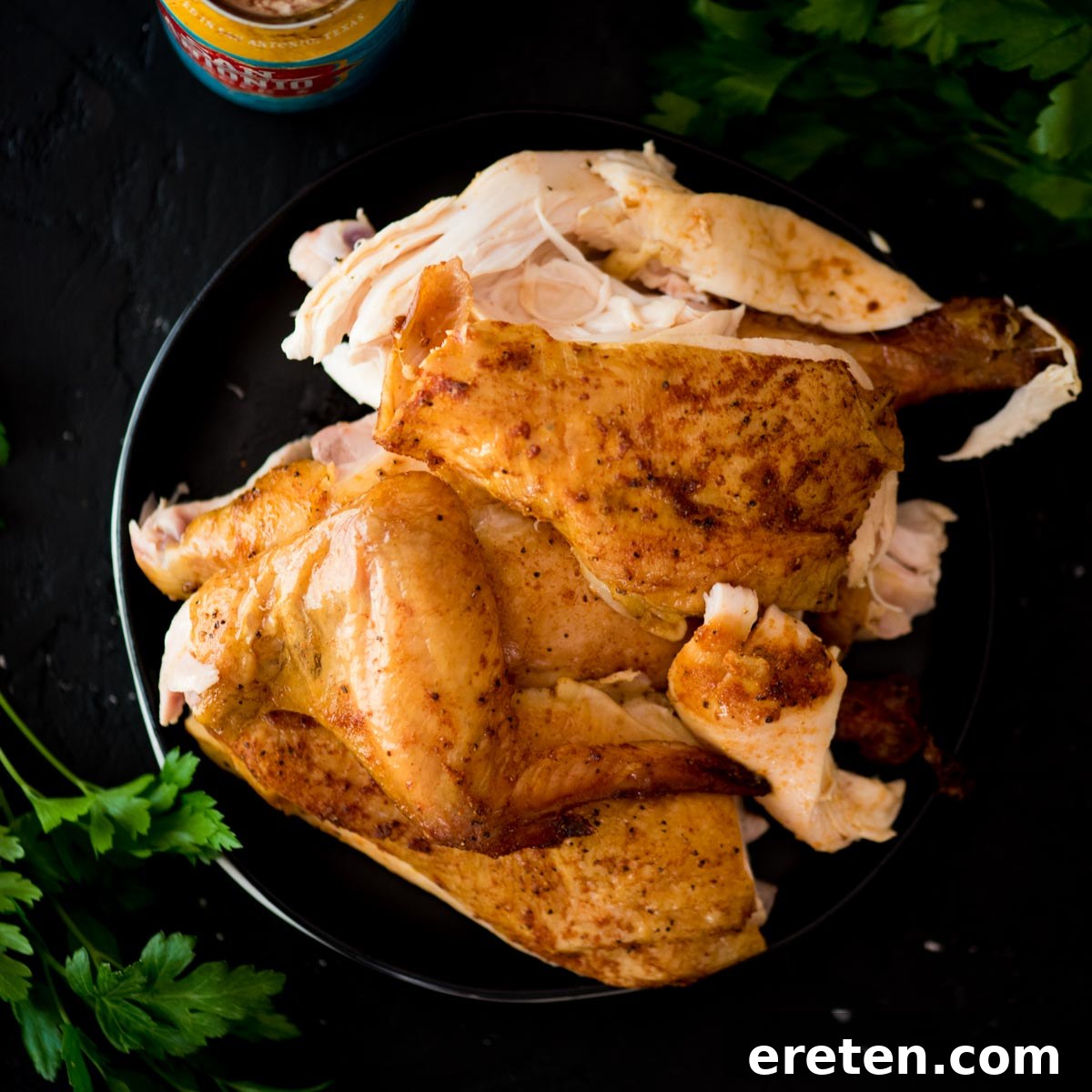
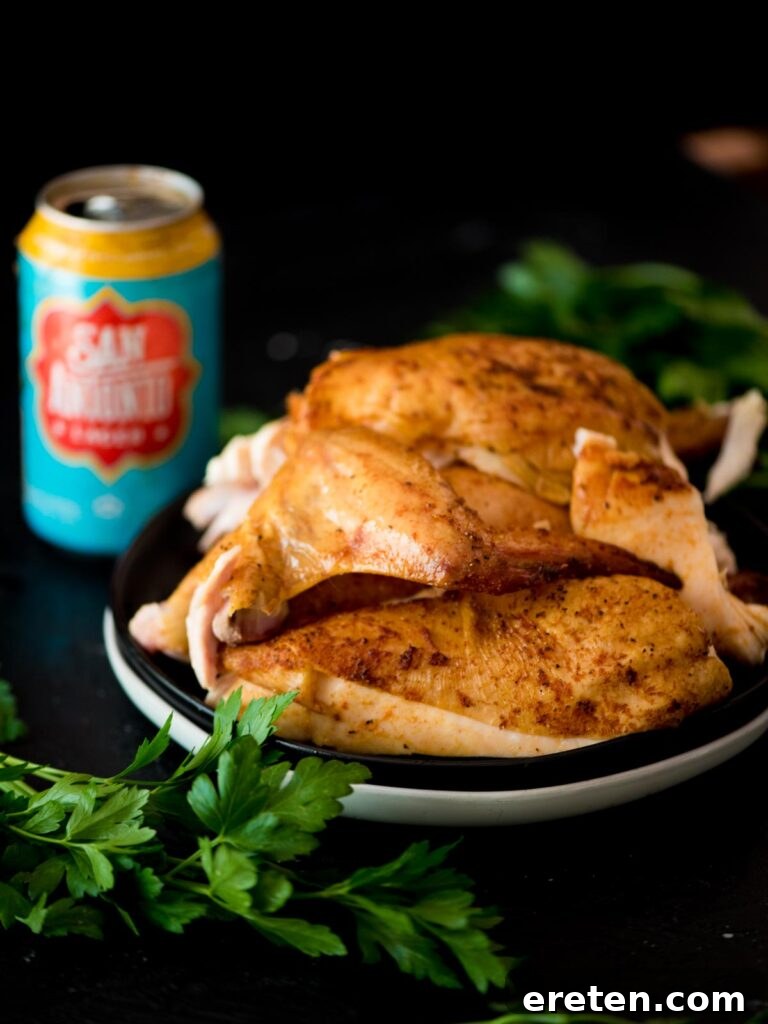
Prepare to savor the most incredibly tender, succulent, and flavor-packed chicken you’ve ever experienced with this ultimate Pit Boss Beer Can Chicken recipe. Infused with a rich, smoky essence and a hint of malty beer, this dish promises to be a crowd-pleaser, leaving everyone begging for more. Whether you’re a seasoned pitmaster or new to the world of smokers, this straightforward recipe guarantees delicious results that are sure to impress.
This post may contain affiliate links. Should you choose to purchase through my links, I may earn a small commission at no additional cost to you.
The Ultimate Smoked Beer Can Chicken Recipe
If you’ve yet to embark on the journey of making smoked beer can chicken, consider this your official invitation to discover an unparalleled culinary delight. This method consistently produces chicken that is unbelievably juicy, with skin that’s perfectly seasoned and a deep, irresistible smoky flavor that penetrates every bite. It’s a game-changer for backyard barbecues, family dinners, and any occasion where truly spectacular chicken is desired.
The concept behind beer can chicken is ingeniously simple yet profoundly effective. A whole chicken is perched upright on an open can of beer, then slow-smoked on a grill. As the chicken cooks, the beer inside the can heats up, creating steam that infuses the chicken from the inside out. This internal basting process is key to achieving that signature moist and tender texture, while the exterior benefits from the smoker’s gentle heat and flavorful smoke. Don’t worry about the alcohol; it evaporates during cooking, leaving behind only the delicious malty and hoppy notes that perfectly complement the savory chicken and rich dry rub.
Why You’ll Fall in Love with Pit Boss Beer Can Chicken
Once you try this recipe, it’s highly likely it will become your go-to chicken preparation method. There are numerous reasons why Pit Boss Beer Can Chicken earns rave reviews and repeat requests:
- Effortless Preparation: Despite its impressive outcome, this recipe is incredibly simple to execute. It’s an ideal starting point for beginners looking to familiarize themselves with a smoker or pellet grill, requiring minimal hands-on time and delivering maximum flavor payoff.
- Universal Appeal: This isn’t just “good” chicken; it’s the kind of chicken that elicits compliments and earns you a reputation as a grilling guru. Its tender meat and smoky aroma are universally loved, making it perfect for pleasing diverse palates at any gathering.
- Unmatched Tenderness and Juiciness: Say goodbye to dry, bland chicken. The ingenious beer can method ensures the chicken remains incredibly moist and juicy throughout the smoking process. The beer steam acts as an internal humidifier, keeping the meat succulent, while the rub adds layers of flavor to the crispy skin. Leftovers, if you’re lucky enough to have any, are fantastic shredded for salads, tacos, sandwiches, or quesadillas.
- Flavor Infusion Beyond Compare: The combination of the aromatic dry rub and the subtle steam from the beer creates a complex flavor profile that’s both savory and incredibly satisfying. Every bite offers a symphony of smoky, savory, and slightly malty notes that elevate standard chicken to gourmet status.
Essential Ingredients for Smoked Beer Can Chicken
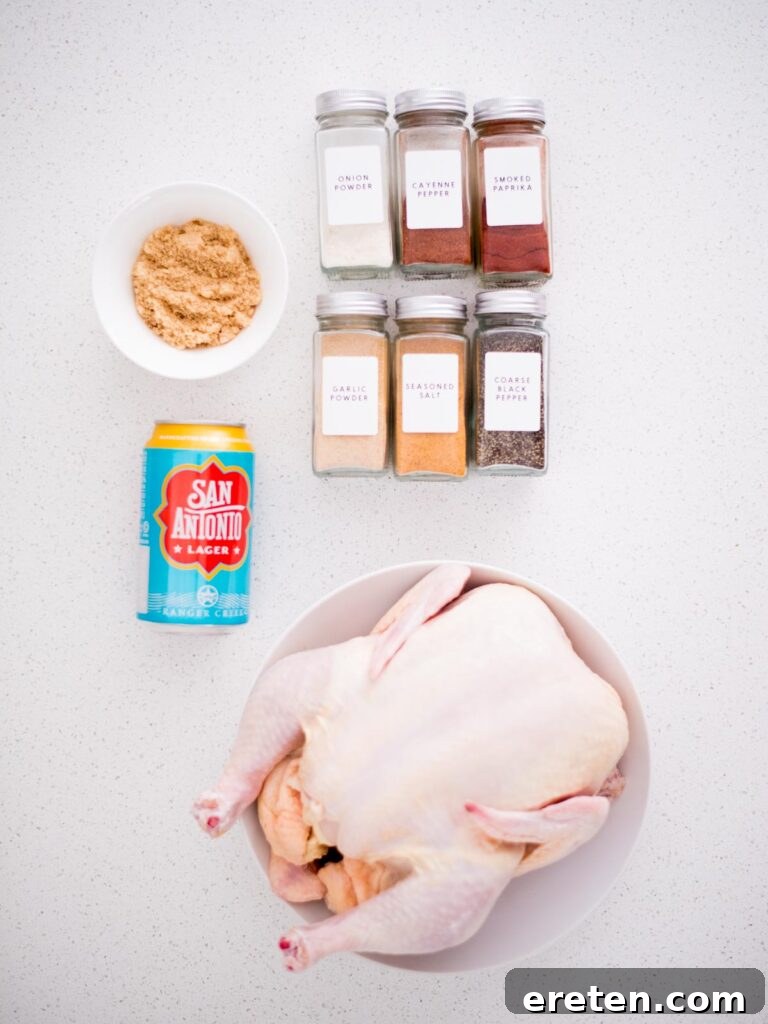
To craft this exceptional smoked beer can chicken, you’ll need a few key ingredients. Quality matters, so choose wisely for the best results:
- Whole Young Chicken: Select a whole chicken weighing between 3 and 5 pounds. It’s crucial that the bird can stand upright in your smoker, so avoid excessively large chickens. A smaller, younger chicken tends to cook more evenly and absorb smoke flavor more effectively, ensuring tender meat and crispy skin. Always remove any giblets or neck from the cavity before prepping.
- 12 oz Can of Beer: The star of the show! A standard 12-ounce aluminum can is essential. Never use a glass bottle, as it poses a significant risk of exploding under the high heat of the smoker. While various beers can work, lagers are generally recommended for their balanced flavor. A small amount should be poured out to prevent overflow and to make room for the chicken’s cavity.
While you can certainly opt for a store-bought poultry rub, creating your own homemade blend allows for customization and ensures fresh, vibrant flavors. For a simple yet potent homemade rub, gather the following spices:
- Brown sugar (adds sweetness and helps with caramelization)
- Onion powder (savory aromatic depth)
- Cayenne pepper (a gentle kick of heat)
- Smoked paprika (enhances the smoky flavor profile)
- Garlic powder (classic savory seasoning)
- Seasoned salt (a blend of salt and other spices, adds foundational flavor)
- Black pepper (sharp, pungent counterpoint)
When applying the rub, a binder can sometimes be used to help it adhere. Options like avocado oil or olive oil work well for this purpose. However, many find that the rub sticks perfectly fine to the natural moisture of the chicken, making a binder optional. Skipping the binder can even aid in achieving crispier skin, as it reduces excess moisture on the surface.
Selecting the Best Beer for Beer Can Chicken
The choice of beer subtly influences the final flavor of your smoked chicken. For this recipe, a lager beer is highly recommended due to its clean, crisp, and relatively light flavor profile. Lagers impart a pleasant malty essence without overpowering the delicate chicken or the smoky notes from the grill.
Lager beers are celebrated worldwide for their refreshing qualities and are typically less hoppy or bitter than ales. Popular examples include Coors, Budweiser, Miller, and Michelob. Pilsners and Bocks are specific styles of lager, and both are excellent choices for beer can chicken. Feel free to use your favorite lager brand if it’s readily available.
Some widely available lager brands that work wonderfully include:
- New Belgium Fat Tire (an amber lager, offers a bit more richness)
- Shiner Bock (a dark lager with a smooth, slightly sweet taste)
- Lagunitas Pils (a classic Bohemian-style pilsner)
- Yuengling (America’s oldest brewery, known for its traditional lager)
- Pilsner Urquell (the original pilsner, renowned for its balanced bitterness)
If you’re planning a Tex-Mex feast and envision using your smoked chicken in delicious tacos or burritos, consider using a Mexican lager such as Corona, Modelo, or Tecate. These beers often have a lighter body and a slight citrusy note that pairs beautifully with Mexican-inspired flavors. For an extra layer of complementary taste, you could even swap out the standard rub for a vibrant homemade fajita seasoning.
A crucial reminder: always ensure your beer is in an aluminum can. The risk of a glass bottle shattering in your hot smoker is real and dangerous, potentially ruining your meal and damaging your equipment. Safety first!
Essential Smoker Tools for Beer Can Chicken
Having the right tools can make your beer can chicken smoking experience smoother and more enjoyable, leading to consistently perfect results.
Choosing the Right Pellets for Smoking Beer Can Chicken
When cooking beer can chicken on a pellet grill, the type of wood pellets you choose will directly impact the smoky flavor of your final dish. Chicken is versatile and pairs well with a variety of wood flavors, but lighter, fruitier woods are often preferred to avoid overpowering the delicate poultry.
- Apple pellets are a fantastic choice, offering a mild, sweet, and fruity smoke that complements chicken beautifully without being too assertive.
- Cherry pellets provide a similar light and fruity profile, often adding a beautiful reddish hue to the chicken’s skin.
- Pecan pellets introduce a slightly nutty, robust, yet sweet flavor that adds depth to the chicken.
- For a more intense, classic BBQ flavor, Competition Blend pellets (typically a mix of hickory, maple, and cherry or apple) or even mesquite can be used, though mesquite offers a very strong, distinctive smoke that some prefer in moderation for chicken. Experimentation is key to finding your favorite blend!
Apple Pellets
Buy Now →
Cherry Pellets
Buy Now →
Pecan Pellets
Buy Now →
Competition Blend Pellets
Buy Now →
Is a Pit Boss Grill Mandatory for Smoked Beer Can Chicken?
Absolutely not! While the title highlights “Pit Boss” for its popularity and excellent performance, you can successfully prepare smoked beer can chicken on virtually any type of smoker or grill equipped for indirect heat and stable temperature control. Whether you own a Pit Boss pellet grill, a Traeger, a Weber Smokey Mountain, an electric smoker, or even a kettle grill set up for indirect smoking, the core principles remain the same. The key is maintaining a consistent low temperature and generating good smoke.
Recommended Smoker for Beginners
Pit Boss Electric Smoker
Buy Now →
Step-by-Step Guide: How to Make Smoked Beer Can Chicken
Making beer can chicken on your smoker is a surprisingly simple process that yields incredibly delicious results. Follow these steps for perfect, smoky perfection:
- Preheat Your Smoker: Begin by preheating your electric smoker, pellet grill, or chosen smoking apparatus to a stable cooking temperature of 250ºF (approximately 120ºC). Allow it to reach and hold this temperature for about 15-20 minutes to ensure a consistent smoking environment.
- Prepare the Chicken: Carefully remove the whole chicken from its packaging. Locate and remove any internal parts, such as the liver, giblets, or neck, which are often found in a small bag inside the cavity. Pat the chicken thoroughly dry with paper towels, both inside and out. This crucial step helps the rub adhere better and contributes to crispier skin.
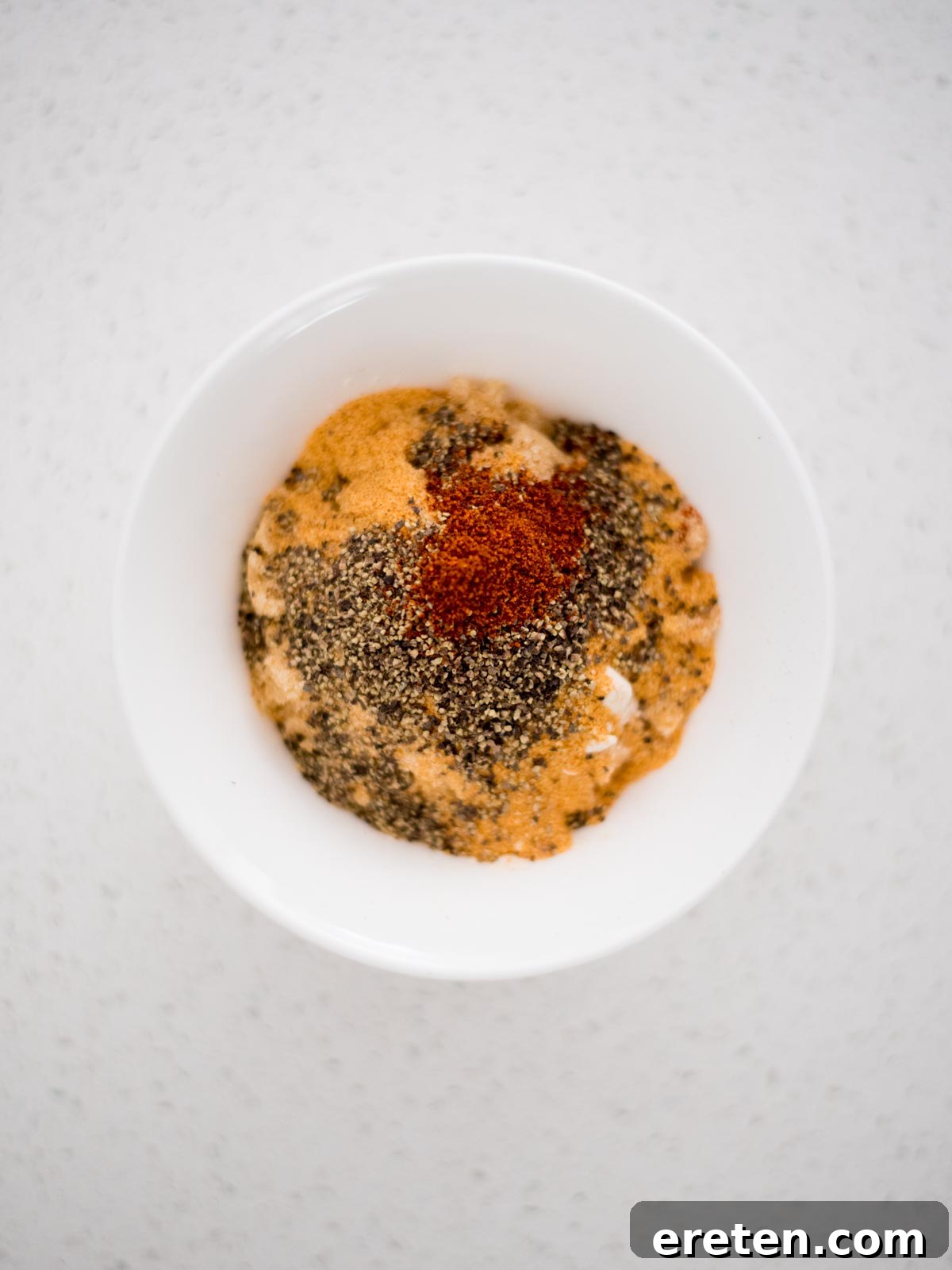
- Mix the Dry Rub: In a small mixing bowl, combine the brown sugar, onion powder, cayenne pepper, smoked paprika, garlic powder, seasoned salt, and black pepper. Stir all the ingredients together until they are thoroughly blended, ensuring an even distribution of flavors.
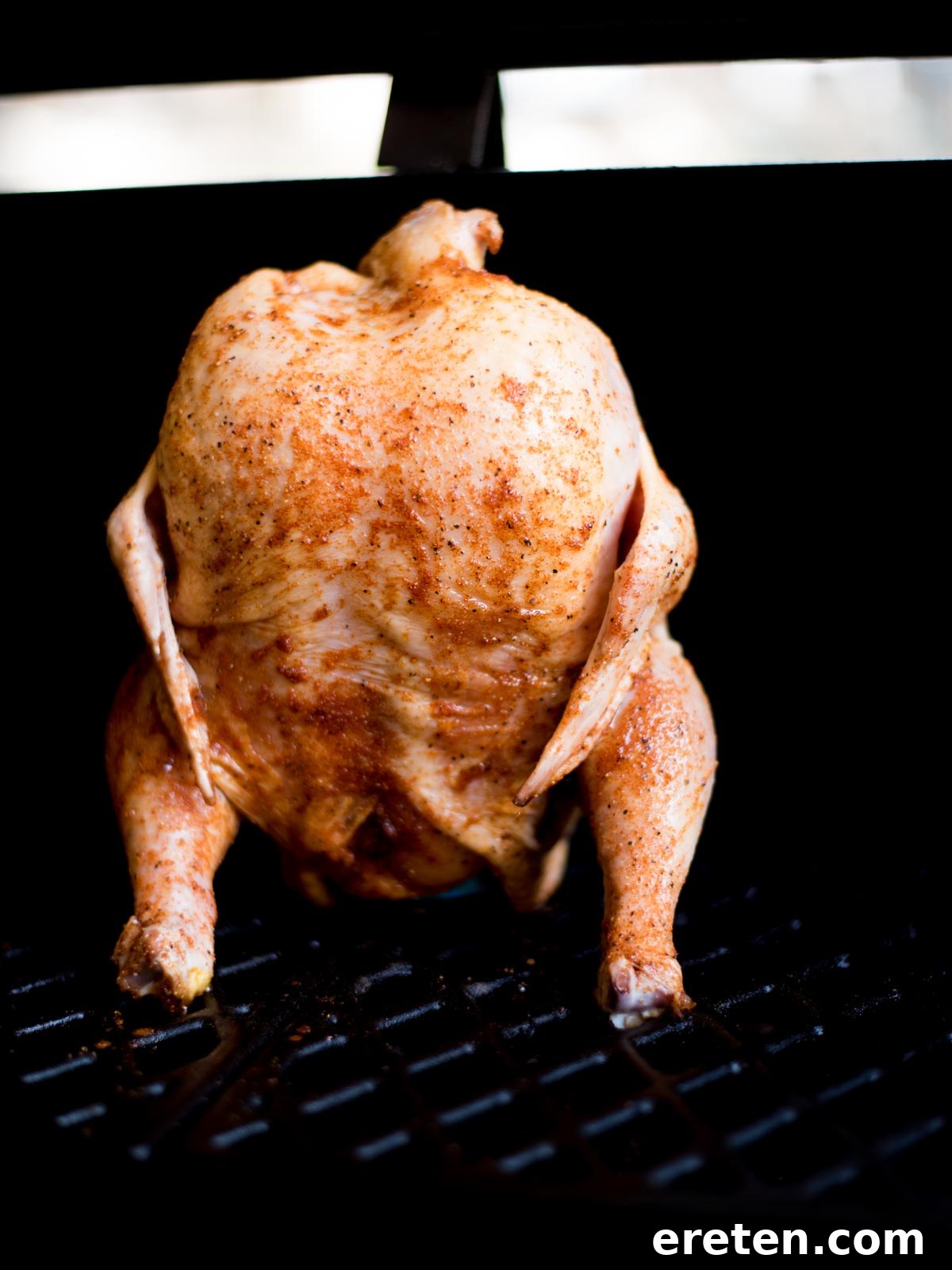
- Apply the Rub: Generously apply the homemade dry rub over the entire surface of the chicken. Be sure to get into all the nooks and crannies. For maximum flavor penetration and to ensure the meat itself is well-seasoned, gently lift the skin, especially over the breast and thighs, and apply a good amount of rub directly onto the meat underneath. This step also contributes significantly to achieving a flavorful and crispy skin.
- Set Up for Smoking: Open the 12-ounce can of beer. You might want to pour out about a quarter of the beer to prevent it from overflowing and to create a bit more space for steam. Carefully place the open beer can directly onto the grill grates in your preheated smoker. Then, lower the chicken over the can, inserting the can into its cavity until the chicken is standing upright and stable. If you prefer, a dedicated chicken throne or roasting stand can be used to hold the beer can and chicken, providing extra stability and making transfer easier.
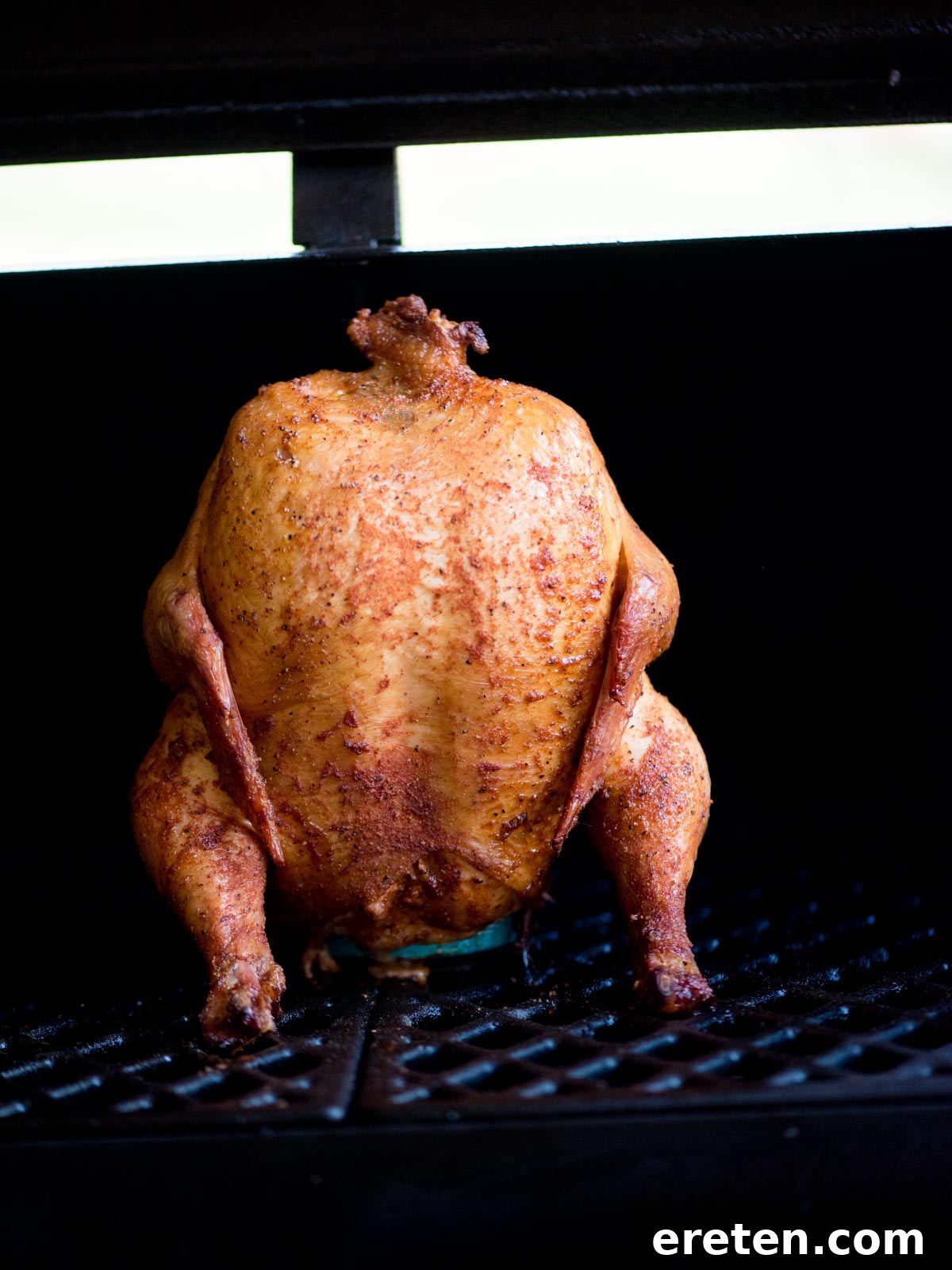
- Smoke the Chicken: Close the smoker lid and allow the chicken to smoke for approximately 2 hours, or until the internal temperature reaches a safe 165ºF (74ºC) in the thickest part of the breast and thigh. It is imperative to use a reliable wireless meat thermometer or your smoker’s built-in temperature probe. This allows you to monitor the chicken’s progress without constantly opening the smoker, which causes temperature fluctuations and allows precious smoke to escape.
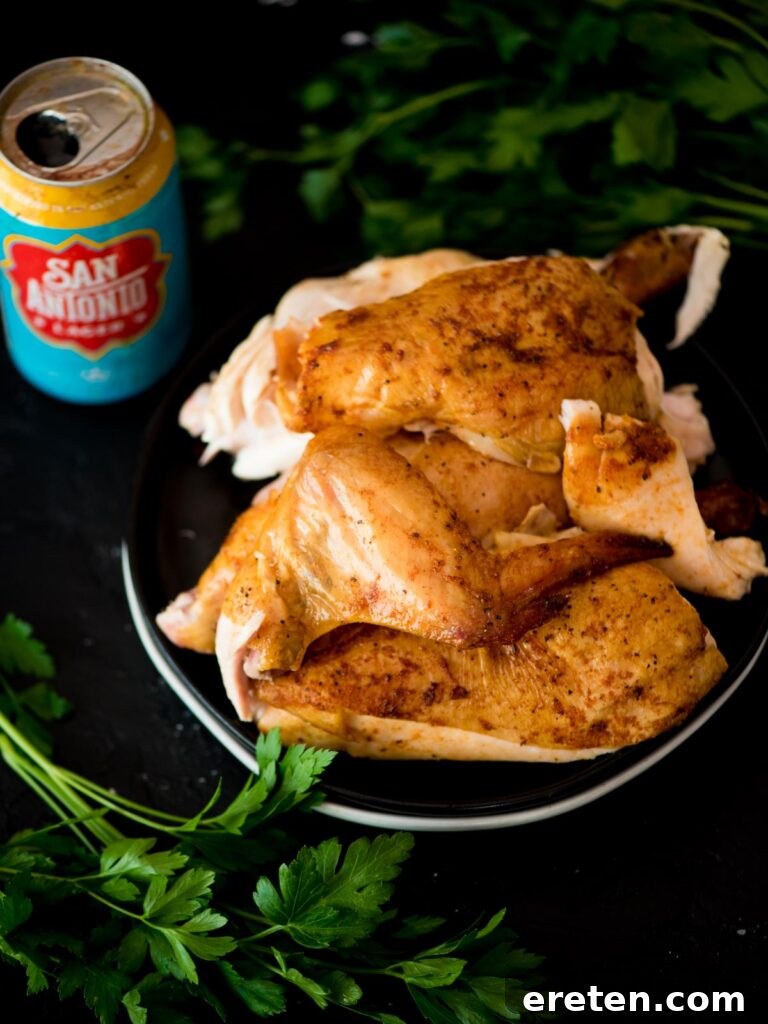
- Rest and Serve: Once the chicken reaches the target internal temperature, carefully remove it from the smoker. Let it rest for at least 15 minutes before attempting to remove the beer can and carve. Resting is vital; it allows the juices, which have migrated to the center of the bird during cooking, to redistribute throughout the meat. Cutting into the chicken too soon will cause these flavorful juices to run out, resulting in a drier bird. After resting, carefully lift the chicken off the can (it will be hot!), carve, and serve your perfectly smoked, tender beer can chicken.
Expert Tips & Tricks for Perfect Beer Can Chicken
Achieving smoking perfection sometimes comes down to a few key insights. Here are some pro tips to ensure your beer can chicken is always a resounding success:
- Chicken Size Matters: Always choose a whole chicken that is no more than 5 pounds. This ensures it fits comfortably and can stand upright within your smoker without touching the lid or heating elements. Smaller birds also tend to cook more evenly and efficiently at lower smoking temperatures.
- Season Under the Skin: For a truly flavorful chicken, don’t just coat the exterior. Gently loosen the skin over the breast and thighs and rub a good portion of your dry rub directly onto the meat. This infuses flavor deep into the most substantial parts of the chicken and helps in rendering the fat for crispier skin.
- Consider a Roasting Stand: While balancing the chicken directly on the beer can works, a dedicated chicken roasting stand or “chicken throne” can provide extra stability. These stands securely hold the beer can and the chicken, preventing accidental tipping and making it easier to transfer the hot bird.
- Don’t Peek! Every time you open your smoker, the internal temperature drops, and valuable smoke escapes. Use a reliable wireless meat thermometer to monitor the internal temperature without lifting the lid. Patience is a virtue in smoking!
Mastering Crispy Skin on Smoked Chicken
One of the common challenges with smoking chicken “low and slow” is ending up with rubbery or chewy skin, rather than the desirable crispy texture. While higher temperatures generally promote crisping, you can still achieve satisfyingly crispy skin at a lower smoking temperature with a few tricks:
- Pat Dry Aggressively: Before applying any rub, ensure the chicken’s skin is as dry as possible. Use paper towels to blot away all surface moisture. The drier the skin, the faster it can dehydrate and crisp up in the smoker.
- Skip Oily Binders: While oil can help a rub stick, it also adds moisture to the skin’s surface. For crispy skin, it’s often best to skip oil-based binders, as the rub usually adheres well enough to the natural moisture of the patted-dry chicken.
- Apply Rub Under the Skin: As mentioned, rubbing seasoning directly on the meat under the skin helps to render fat and contributes to skin crispiness.
- Finish with a Blast (Optional): If your skin isn’t as crispy as you’d like at the end of the smoke, you can briefly increase the smoker’s temperature to 350-375°F (175-190°C) for the last 15-20 minutes, or even transfer the chicken to a hot grill or oven, to crisp up the skin. Just be careful not to overcook the meat.
Crafting the Perfect Dry Rub for Beer Can Chicken
The dry rub is an essential component of this beer can chicken recipe, providing a foundational layer of flavor that beautifully complements the smoky essence of the grill and the subtle notes from the beer. While this recipe includes a fantastic homemade blend, the beauty of dry rubs lies in their versatility. You have the option to either create your own custom blend or utilize a high-quality store-bought poultry rub.
A homemade rub allows you to control the exact balance of sweet, savory, and spicy notes. The combination of brown sugar for caramelization and tenderness, alongside garlic powder, onion powder, smoked paprika, cayenne, seasoned salt, and black pepper, creates a robust and balanced flavor profile that’s hard to beat. Making your own also ensures freshness and avoids any unwanted additives.
However, if time is short or you have a favorite pre-made seasoning, don’t hesitate to use it! Many excellent commercial poultry rubs are specifically designed to enhance smoked or grilled chicken. Here are some highly-rated options that work exceptionally well for beer can chicken:
- Pit Boss Ale House Beer Can Chicken Rub: Specifically formulated for this method, often includes malty notes.
- Traeger Chicken Rub: A popular choice, known for its balanced sweet and savory elements.
- Weber Beer Can Chicken Seasoning: Another purpose-built blend from a trusted brand.
- Kosmos Beer Can Chicken Rub: Known for creating a beautiful bark and deep flavor.
Perfect Pairings: What to Serve with Beer Can Smoked Chicken
Smoked beer can chicken is a magnificent main course that pairs wonderfully with a variety of sides, especially other smoked dishes that can cook alongside it on the smoker. This approach not only saves time but also infuses all elements of your meal with that irresistible smoky goodness. Here are some fantastic serving suggestions:
- Smoked Macaroni and Cheese: Creamy, cheesy, and with a delicate smoky flavor, this is the ultimate comfort food side dish. The smokiness takes classic mac and cheese to an entirely new level.
- Smoked Baked Beans: Rich, sweet, and savory, these beans benefit immensely from a long, slow smoke, absorbing deep flavors that complement the chicken beautifully.
- Smoked Queso / Smoked White Queso Dip: A gooey, cheesy dip with a smoky kick makes for a perfect appetizer or a rich topping for your chicken. Serve with tortilla chips or as a side.
- Creamy Coleslaw: The crisp, tangy freshness of a good coleslaw provides a refreshing contrast to the rich, smoky chicken.
- Grilled Corn on the Cob: Simple, sweet, and delicious, grilled or smoked corn adds another layer of outdoor cooking flavor to your meal.
- Roasted Potatoes or Sweet Potatoes: Tossed with herbs and a little oil, these can roast alongside the chicken, soaking up some of that great smoke flavor.
Storing and Reheating Your Pit Boss Beer Can Chicken
If you’re fortunate enough to have any leftover smoked chicken, proper storage and reheating will ensure it remains just as delicious as when it was first served. Allowing the chicken to cool completely before storing is crucial for food safety and maintaining quality.
Once cooled, carve any remaining meat off the bone and place it in an airtight container. Stored properly in the refrigerator, the smoked chicken will stay fresh and flavorful for up to 3-4 days. You can also freeze the cooked chicken for longer storage (up to 3 months) by wrapping it tightly or placing it in freezer-safe bags or containers.
To reheat, the best methods prevent the chicken from drying out. For small portions, gently warm in a microwave with a splash of broth or water. For larger amounts, place the chicken in an oven-safe dish with a little chicken broth, cover with foil, and reheat in a preheated oven at 275-300°F (135-150°C) until warmed through. This low and slow reheating method helps retain moisture and flavor.
Smoked Beer Can Chicken FAQs
While some recipes suggest completely removing the top of the beer can to maximize steam release, this approach can make the can less stable, increasing the risk of the chicken toppling over and spilling hot liquid onto your smoker’s elements or pellets. It’s generally safer and equally effective to simply open the can as usual and pour out about a quarter of the beer. If you feel more steam is necessary, you can carefully poke a few extra holes in the top of the can with a church key-style opener or a sharp knife, creating additional vents without compromising stability.
When smoking a whole chicken at 250ºF (120ºC), it typically takes around 2 hours to reach doneness, though this can vary based on chicken size and smoker efficiency. Unlike direct grilling, smoking uses indirect heat, which lengthens cooking time. The absolute critical factor is reaching the correct internal temperature. Smoked chicken is done when the internal temperature registers 165°F (74°C) in the thickest part of the breast and thigh, without touching the bone. Always use a reliable meat thermometer for an accurate reading to ensure both safety and optimal juiciness. Insert the probe into the deepest part of the meat, avoiding bones, for the most accurate measurement.
The duration a hopper full of pellets will last in your smoker depends on several factors, including the ambient temperature, the specific model and make of your grill, and the set cooking temperature. According to Smoked Barbecue Source, most pellet grills consume between 1 and 3 pounds of pellets per hour. Lower temperatures generally mean slower burn rates, while higher temperatures or cold weather will increase consumption. It’s always wise to start with a full hopper and keep an eye on your pellet levels, especially during longer smokes, to avoid running out mid-cook.
Yes, you use a full 12-ounce can of beer, but it’s recommended to pour out about one-quarter of the contents before inserting the chicken. This creates a little headspace within the can, preventing the beer from boiling over when it heats up in the smoker and ensuring it creates steam effectively without making a mess.
Any smoker that can maintain a consistent low temperature (around 250°F / 120°C) and produce consistent smoke is suitable. Pellet grills (like Pit Boss or Traeger) are excellent for their ease of temperature control and consistent smoke. Electric smokers are also great for their simplicity. Charcoal smokers, like a Weber Kettle with a two-zone setup, or a dedicated offset smoker, can also produce fantastic results for those who enjoy the hands-on control.
While brining can certainly add extra moisture and flavor to chicken, it’s not strictly necessary for beer can chicken. The method itself, with the internal steaming from the beer, does an excellent job of keeping the chicken incredibly moist. The dry rub also provides ample flavor. However, if you’re looking to elevate your chicken even further, a simple salt brine or a flavorful wet brine for a few hours prior to applying the rub can yield even juicier results.
More Delicious Smoker & Pit Boss Recipes
Expand your grilling repertoire with these other fantastic smoker recipes, perfect for your Pit Boss or any pellet grill:
- Pit Boss Ribs: Fall-off-the-bone tender and bursting with smoky flavor.
- Smoked Macaroni & Cheese: A rich, creamy, and irresistibly smoky side dish.
- Smoked Baked Beans: Sweet, savory, and slow-smoked to perfection.
- Smoked Burgers: Elevate your burger game with a smoky twist.
- Smoked Queso Dip: A crowd-pleasing cheesy dip with a smoky depth.
More Favorites from Sweetly Splendid
Explore a collection of other beloved recipes from Sweetly Splendid, offering a wide array of delicious dishes for every occasion:
- Smoked Pork Ribs Recipe
- Homemade Brown Gravy
- Guacamole Recipe (No Tomato)
- BBQ Chicken Rub
- Yukon Gold Mashed Potato Recipe
- Brown Sugar Baked Chicken
- Queso with Cream Cheese
- Sweet Pork (Instant Pot)
- Creamy Tortellini Salad
- Old Fashioned Cucumbers and Onions in Vinegar
- Fresh Strawberry Cupcake
- Yogurt Granola Parfait
- Twice Baked Potatoes in Oven
- Banana Muffin Recipe (Easy)
- Easy Garlic Knots
- Funfetti Cake Dip
- Dry Rub Wings (Air Fryer)
- Harry Potter Butterbeer Cupcakes
Smoked Beer Can Chicken Recipe
Ingredients
- 5 pound whole young chicken
- 12 ounces lager beer
- 3 tablespoons brown sugar
- 1 teaspoon onion powder
- ½ teaspoon cayenne pepper
- 1 teaspoon smoked paprika
- 1 teaspoon garlic powder
- 1 teaspoon seasoned salt
- ½ teaspoon black pepper
Instructions
-
Preheat the electric smoker to a cooking temperature of 250ºF.
-
Prep the chicken by removing it from the package and removing any of the parts (liver, giblets, etc.). Sometimes they are in a bag, but sometimes they are loose within the cavity of the chicken.
-
In a small mixing bowl, combine the brown sugar, onion powder, cayenne pepper, smoked paprika, garlic powder, seasoned salt, and black pepper. Mix until it is fully combined.
-
Add the rub to the chicken, coating the entire chicken. Be sure to add the rub underneath the skin as well.
-
Open the beer and place it directly on the grill grates. Place the chicken upright over the can of beer. You can also use a chicken throne to make it easier.
-
Smoke for 2 hours or until the internal temperature registers 165ºF. Make sure you use a wireless meat thermometer or the built-in temperature probe of your smoker to keep an eye on the chicken without opening the smoker too often and releasing all that good smoke.
-
Remove the chicken from the smoker and allow it to cool 15 minutes before removing the beer can. This will also give the chicken the opportunity to rest completely before serving. Letting the chicken rest allows the juices to redistribute throughout instead of losing them when cutting into it.
Nutrition
Nutrition information is automatically calculated, so should only be used as an approximation.