
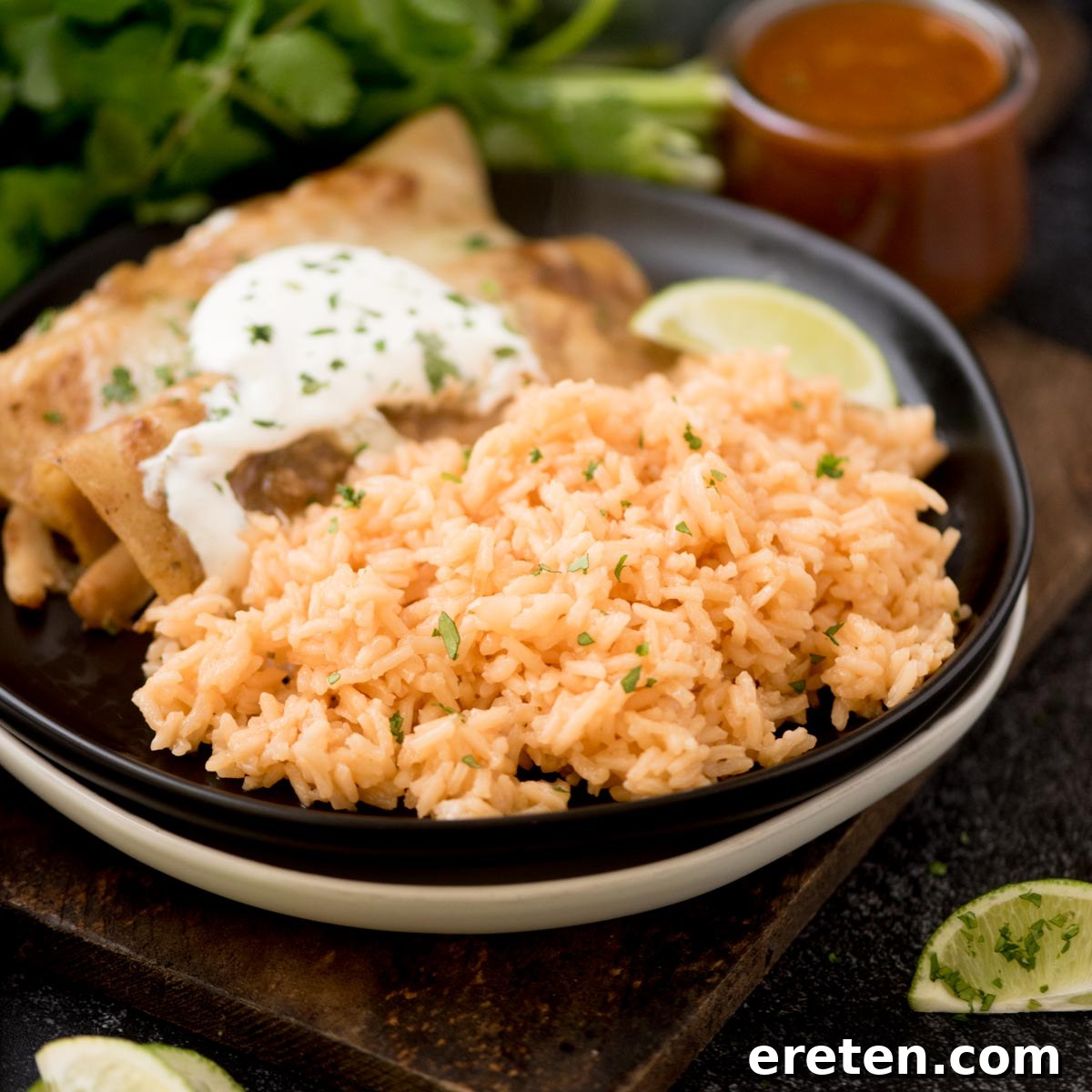
Unlock the secret to authentic Spanish Rice, often known as Mexican Rice, a beloved side dish found at the best Tex-Mex restaurants. This recipe delivers that exact fluffy, flavorful rice you crave, without relying on canned tomato sauce. Instead, it leverages a unique seasoning approach to achieve that signature taste that’s often hard to replicate at home. Forget sticky, overly wet rice with large tomato chunks – this is the perfectly dry, subtly seasoned rice that complements any Tex-Mex feast.
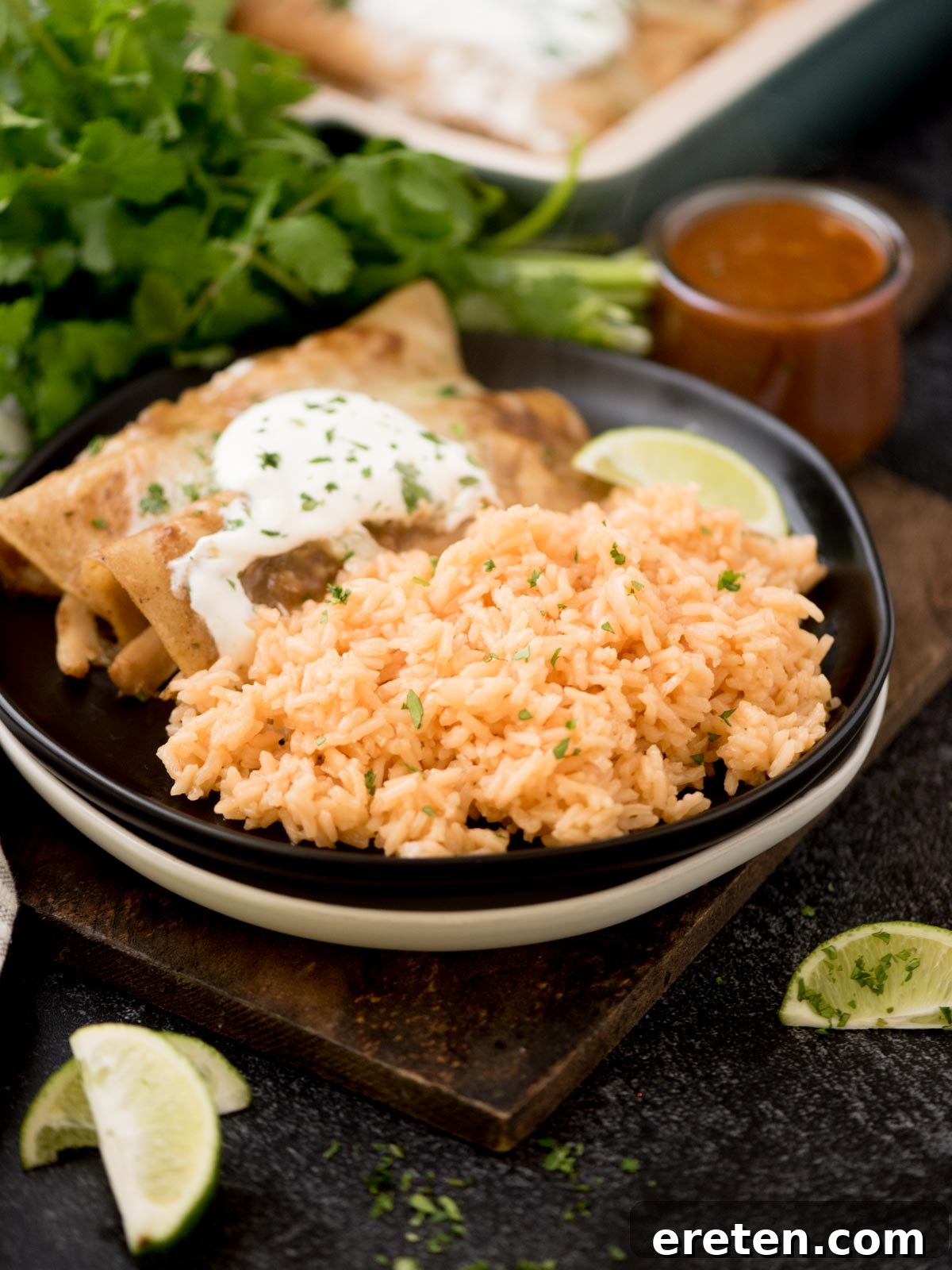
Having grown up immersed in the vibrant flavors of Tex-Mex cuisine, enjoying it almost nightly, I developed a deep appreciation for the simplicity and distinctive taste of restaurant-style Spanish rice. What sets it apart is its light, separated grains and a flavor profile that’s subtly complex, often achieved without the overt acidity or texture of large tomato pieces or even Rotel. This recipe captures that essence perfectly, bringing the authentic taste of your favorite neighborhood Tex-Mex joint right into your kitchen.
Our special version of Spanish rice owes its remarkable flavor to a particular type of bouillon. This secret ingredient infuses the rice with a depth that can sometimes be missing in other homemade recipes, elevating it beyond just a simple side dish. You’ll find this fluffier, drier, and wonderfully seasoned rice served alongside classic Tex-Mex dishes like savory chicken enchiladas, tender carne asada, hearty ground beef tacos, and sizzling fajitas. It’s the quintessential accompaniment that completes the meal.
For those bustling weeknights, this recipe is an absolute lifesaver. It’s remarkably quick to prepare, making it an ideal choice when time is short, yet you crave something satisfying and flavorful. Its versatility means it pairs beautifully with virtually any protein you have on hand. Even better, it’s incredibly adaptable. Ran out of fresh onions? Onion powder works just as well. Want to experiment with different rice varieties? Basmati or Jasmine rice can be successfully substituted. The ultimate proof of its perfection? The entire family consistently loves it, making mealtime a breeze.
Prepare for this Spanish rice recipe to become an indispensable part of your regular meal rotation. Its effortless preparation, combined with its irresistible flavor, makes it a go-to for busy schedules or whenever you desire a comforting side dish that evokes the cherished memories of home-cooked meals and your favorite Tex-Mex dining experiences. It’s more than just rice; it’s a taste of tradition and convenience rolled into one delightful dish.
Essential Ingredients for Easy Spanish Rice
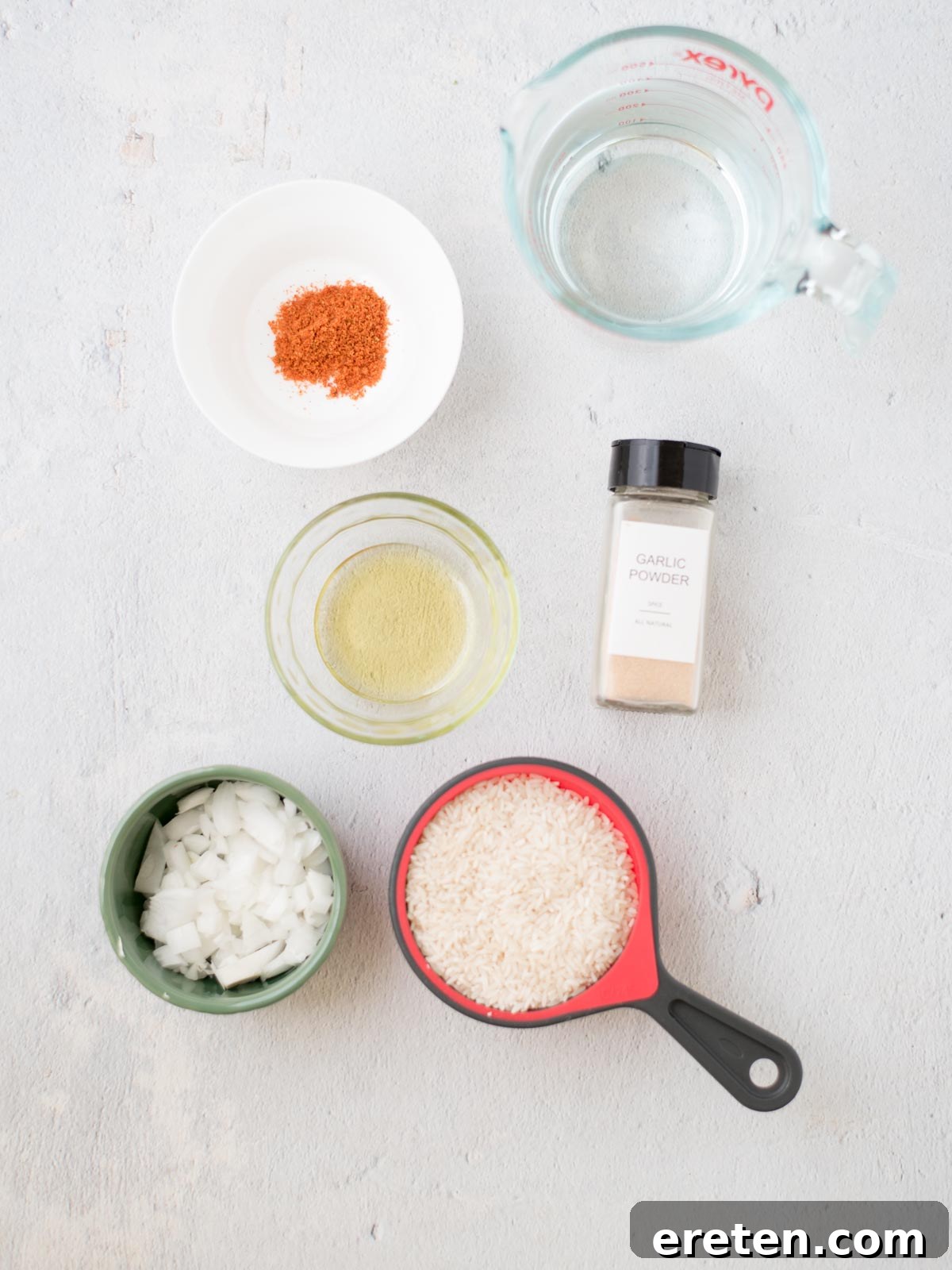
Creating this delicious Tex-Mex restaurant-style rice requires only a handful of readily available ingredients. Simplicity meets incredible flavor in this recipe.
- Neutral Oil: A neutral-flavored oil is crucial here to let the other ingredients shine. I highly recommend avocado oil for its mild taste and high smoke point, but light olive oil also works wonderfully. Avoid strong-flavored oils that could overpower the delicate balance of spices.
- Onion: A standard white or yellow onion will provide a foundational sweetness and aroma. Texas sweet onions are a personal favorite for their mellow flavor, but any yellow onion will do. The key to integrating the onion seamlessly into the rice is to chop it very finely, ensuring it melts into the dish as it cooks.
- Garlic Powder: This provides a consistent garlic flavor without the risk of fresh garlic burning. Always check its freshness; good garlic powder should have a strong, pungent aroma when opened. If it smells faint or stale, it’s time to replace it for optimal flavor.
- Long Grain White Rice: The foundation of fluffy, separated rice. It’s essential to use long grain white rice and to avoid quick-cook or instant rice varieties, as they will not achieve the desired texture or absorb the flavors in the same way. The length of the grain helps prevent clumping.
- Tomato Bouillon with Chicken Flavor: This is the secret ingredient for that authentic Tex-Mex flavor! Knorr brand is widely available and my go-to choice. You’ll typically find it in the soup aisle, near broths and stocks, or in the international foods section. If Knorr isn’t available, Goya Cilantro & Tomato seasoning is an excellent alternative that delivers a similar flavor profile and rich color. This bouillon is what gives the rice its distinctive hue and savory depth without relying on traditional tomato sauce.
Step-by-Step Guide: How to Make Spanish Rice with Tomato Bouillon
Achieving perfect, restaurant-quality Spanish rice is surprisingly simple with these straightforward steps. Follow along as I show you how to prepare this delicious rice without the need for tomato sauce.
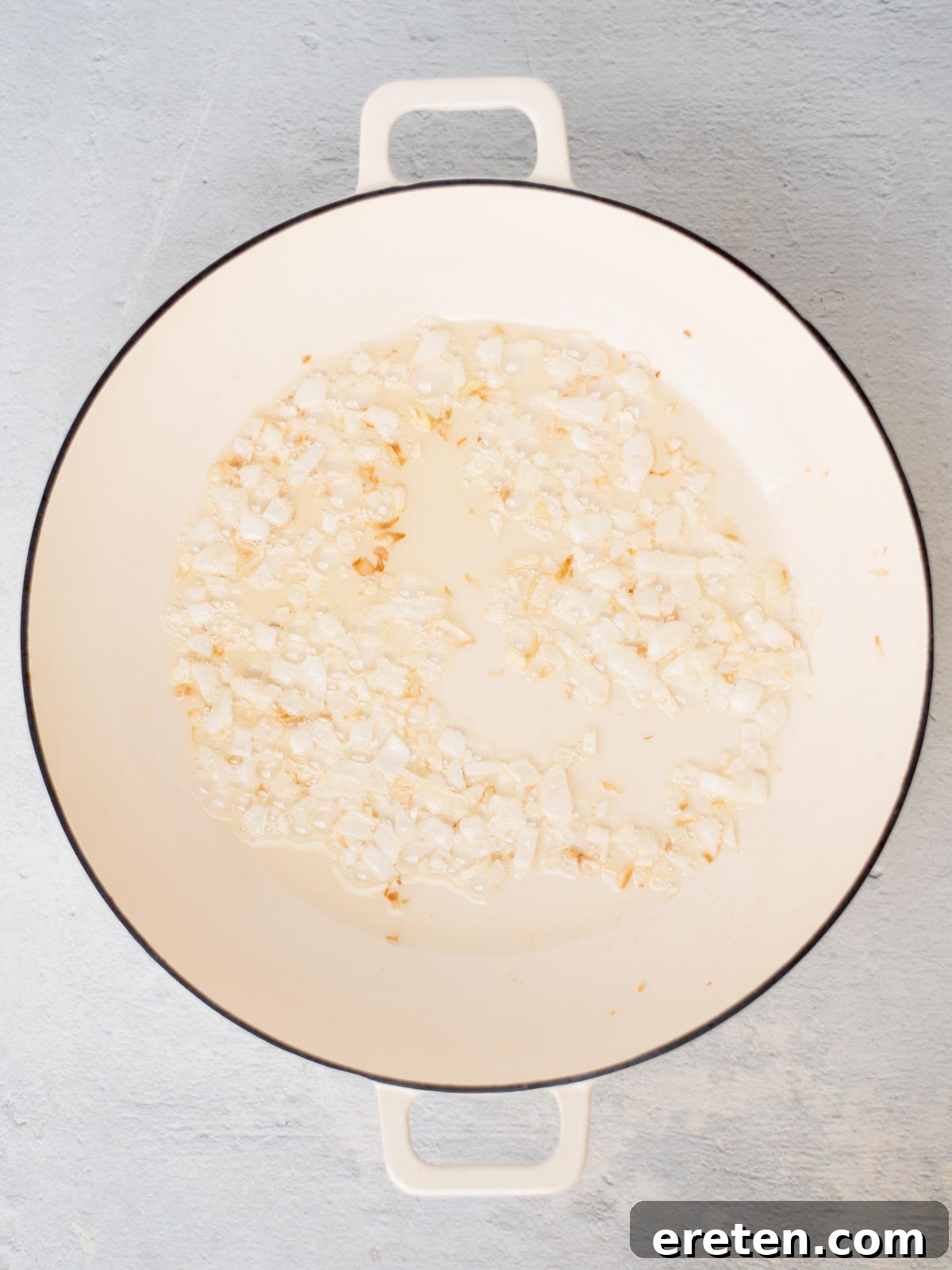
- Begin by heating your chosen neutral oil (avocado or olive oil) in a medium-sized pot or a deep skillet over medium heat. Once the oil shimmers, add the finely chopped onion to the pot.
- Sauté the onion, stirring occasionally, until it becomes soft, translucent, and fragrant. This step is crucial for building a flavorful base for your rice. This usually takes about 5-7 minutes. Ensure the onion doesn’t brown too much, as we want its sweetness to shine.
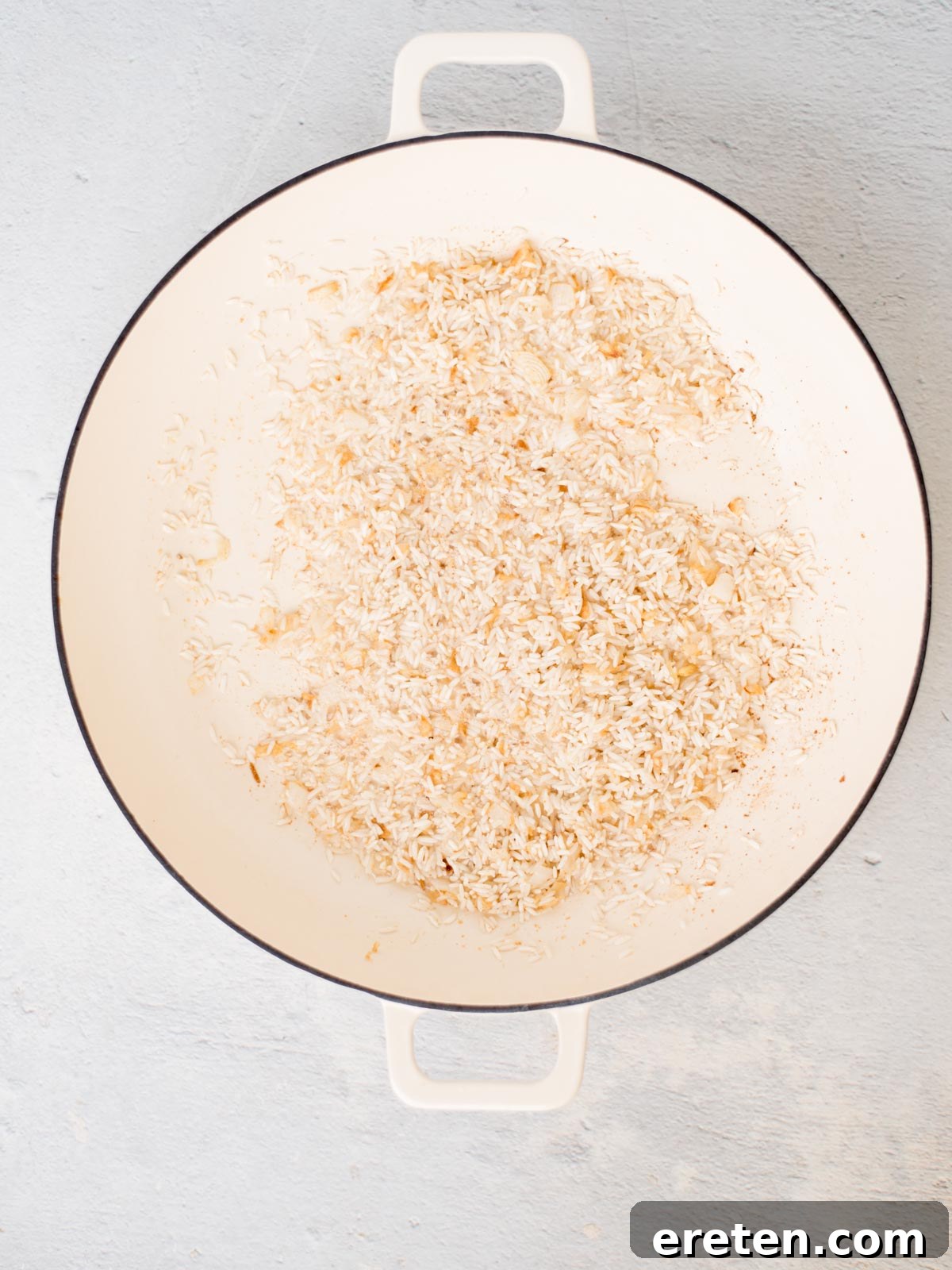
- Once the onion is translucent, add the garlic powder and the long-grain white rice to the pot. Stir continuously to ensure every grain of rice is thoroughly coated with the oil and mingles with the aromatic onion and garlic powder. This is where the magic begins for fluffy rice.
- Continue stirring constantly for about 3-5 minutes, allowing the rice to toast. You’re looking for the grains to achieve a light, golden-brown color. This toasting step is vital as it helps prevent the rice from becoming sticky and enhances its nutty flavor. Be vigilant to avoid burning the rice; a light golden hue is perfect.
- Pour in the specified amount of water and drop in the tomato bouillon cube. Using the back of a spoon or a whisk, break up the bouillon cube, stirring vigorously until it is completely dissolved and evenly distributed throughout the water. This ensures uniform flavor in every grain of rice.
- Bring the liquid to a rolling boil over medium-high heat. Once boiling, reduce the heat to its lowest setting, cover the pot tightly with a lid, and let it simmer undisturbed for approximately 15 minutes. Resist the temptation to lift the lid during this time, as steam is crucial for proper cooking.
- After 15 minutes, remove the pot from the heat but keep the lid on. Allow the rice to rest, still covered, for an additional 5 minutes. This resting period allows the remaining steam to finish cooking the rice and helps the grains become even fluffier and perfectly separated.
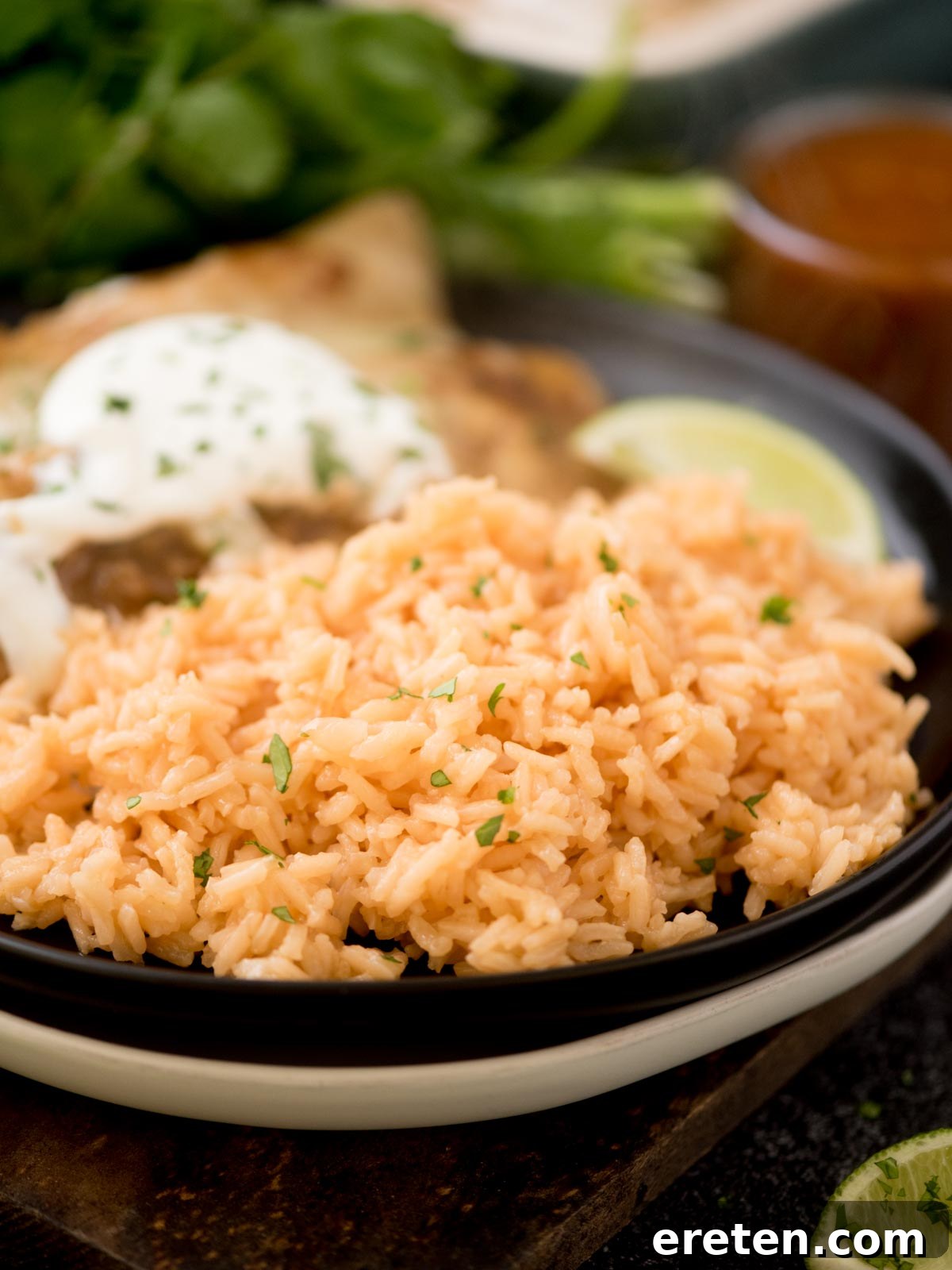
- Finally, remove the lid, gently fluff the rice with a fork, and serve immediately with your favorite Tex-Mex main course. Enjoy the perfectly seasoned, fluffy Spanish rice that tastes just like it came from your favorite restaurant!
Top Tip for Fluffy Rice
If you prefer to rinse your rice before cooking (which can remove excess starch and lead to fluffier grains), make sure to let it drain thoroughly and even pat it dry slightly between a couple of paper towels. This ensures the rice is as dry as possible before it goes into the hot oil for toasting, allowing it to achieve that desirable light golden color and nutty flavor without steaming prematurely. A proper toast is key to preventing sticky rice.
Smart Substitutions & Delicious Alterations
While this recipe, as written, is designed to deliver the most authentic Tex-Mex restaurant-style Spanish rice, there are several convenient substitutions and delicious alterations you can make. These adjustments will still yield a fantastic dish while catering to your preferences or what you have available in your pantry.
Onion: For those who aren’t keen on chopping fresh onions, or simply need a quicker alternative, onion powder is a perfect stand-in. You can use 1 teaspoon of onion powder to replace the fresh onion specified in the recipe. Add it in along with the garlic powder for a seamless integration of flavor.
Rice: If long grain white rice isn’t in your pantry, don’t fret! Basmati or Jasmine rice are excellent alternatives that can also create a wonderfully fluffy side dish. The standard rice-to-water ratio (1 cup rice to 2 cups water) will generally still work. However, if using Jasmine rice, you might consider slightly reducing the water to 1 ¾ cups to ensure it remains drier and less sticky, as Jasmine rice can sometimes be a bit more absorbent. Experiment to find your perfect texture.
Bouillon: Should you decide to use chicken broth or vegetable broth instead of plain water, it’s important to note the high sodium content in most bouillon cubes. To prevent an overly salty dish, opt for an unsalted or low-sodium broth. You may also want to reduce the amount of bouillon or taste and adjust the seasoning after the rice has cooked, adding more if needed.
Spices: To further enhance the flavor profile, you can incorporate additional Tex-Mex inspired spices. A half teaspoon of ground cumin will add an earthy warmth, a touch of chili powder can introduce a mild heat and deepen the color, and dried oregano provides a herbaceous aroma that complements the other flavors beautifully. Add these alongside the garlic powder and rice for an aromatic start.
Spanish Rice vs. Mexican Rice: Understanding the Nuances
The terms “Spanish rice” and “Mexican rice” are frequently used interchangeably, particularly in the United States. However, there are traditional distinctions between these two delicious rice dishes, stemming from their culinary origins and typical ingredients. Understanding these differences can help you appreciate the rich tapestry of global rice preparations.
Traditional Spanish Rice, often found in authentic Spanish cuisine, is typically characterized by its vibrant yellow-orange color, imparted by saffron. Saffron, a prized and costly spice, gives the rice a distinct floral and subtly sweet aroma. Due to saffron’s expense, many modern recipes or adaptations might omit it or substitute a small amount of turmeric for color. Beyond saffron, Spanish rice frequently includes a medley of vegetables such as bell peppers (often red or green), and peas, adding texture and freshness to the dish. The flavor profile tends to be more nuanced, with saffron being the dominant aromatic.
Traditional Mexican Rice, on the other hand, typically derives its characteristic reddish-orange hue and tangy flavor from tomato-based ingredients. This can include tomato sauce, tomato paste, or diced tomatoes. These ingredients contribute a richer, more robust tomato flavor and a deeper color compared to Spanish rice. A hallmark of good Mexican rice is its fluffy, light texture with distinct, separated grains. This desirable texture is often achieved by first toasting the rice in oil before simmering it in the liquid, a technique that prevents stickiness and ensures each grain cooks perfectly. The result is a savory, tomato-infused rice that is a staple throughout Mexico.
Despite these historical and culinary distinctions, the rice commonly served in Tex-Mex restaurants across the United States – and indeed, the very style of rice featured in this recipe – is frequently referred to as “Spanish rice.” This colloquial naming highlights how cultural influences and culinary adaptations can blur traditional lines, creating new, beloved dishes that bridge different culinary heritages. Our recipe leans into the Tex-Mex interpretation, focusing on fluffiness and a deep, savory flavor without heavy tomato sauce.
Storing Leftover Spanish Rice: Freshness & Safety
Proper storage of leftover Spanish rice is crucial to maintain its freshness, flavor, and food safety. By following these guidelines, you can enjoy your delicious rice for days to come or save it for future meals.
First and foremost, allow any leftover cooked rice to cool completely before transferring it to storage containers. Spreading it out on a baking sheet can expedite the cooling process, preventing condensation buildup which can lead to soggy rice and bacterial growth. Once cooled, place the rice in an airtight container or a freezer-safe zip-top bag to protect it from air and odors. For extended freshness, especially for freezing, a vacuum sealer is an excellent tool to remove all air and prevent freezer burn.
In the Refrigerator: Once cooled, transfer your Spanish rice to an airtight container. Store it in the coldest part of your refrigerator, typically the back, to ensure it stays at a consistent, safe temperature. When stored correctly, leftover Spanish rice will remain fresh and delicious for up to 4 days. Always use your best judgment – if the rice smells off or has a strange texture, it’s best to discard it.
In the Freezer: Freezing is an excellent option for longer storage. Ensure the cooked rice is completely cool before freezing to avoid any condensation from forming inside the container, which can result in icy rice. As mentioned, spreading it on a baking sheet in the fridge first is a great way to cool it down quickly. Once thoroughly chilled, transfer the rice to an airtight, freezer-safe container or a heavy-duty freezer bag, pressing out as much air as possible before sealing. Properly stored, Spanish rice can be frozen for up to 6 months. For convenience, consider freezing it in individual portion sizes so you can thaw and reheat just what you need.
Reheating Spanish Rice: Methods for Best Results
Reheating Spanish rice without drying it out or making it mushy is easy with a few simple techniques. Whether you prefer the speed of a microwave or the even heating of a stovetop, you can bring your leftovers back to life as flavorful as they were freshly made.
In the Microwave: For a quick and easy reheat, place your desired portion of Spanish rice in a microwave-safe container. To reintroduce moisture and prevent dryness, sprinkle about a teaspoon or two of water over the rice. Cover the container with a microwave-safe lid or a damp paper towel to trap the steam. Heat on high for 1-2 minutes, stirring halfway through, until the rice is heated evenly and thoroughly. If reheating a larger portion, you may need to add a bit more water and increase the heating time slightly.
On the Stovetop: Reheating on the stovetop is ideal for achieving a texture closer to freshly cooked rice, as it allows for more control over moisture. Place your desired amount of rice in a skillet or a non-stick pan. Add a teaspoon or two of water (or a splash of chicken broth for extra flavor) for every cup of rice. Cover the skillet tightly with a lid and heat over medium-low heat. Stir occasionally, gently fluffing the rice, until it is thoroughly heated through, typically about 5-7 minutes. The lid helps create steam, ensuring the rice rehydrates and doesn’t stick or dry out. This method is particularly good for breaking up any clumps and ensuring an even re-warming.
Frequently Asked Questions About Spanish Rice
Absolutely, cooked Spanish rice freezes exceptionally well. To ensure the best quality, allow the cooked rice to cool completely before packaging. This prevents condensation from forming, which can lead to ice crystals. Once cooled, transfer the rice to an airtight container or a freezer-safe bag, making sure to remove any excess air. It can be stored in the freezer for up to 6 months, making it perfect for meal prepping.
Yes, Jasmine rice is a good substitute for long grain white rice in this Spanish rice recipe, as are other long-grain varieties like Basmati. While the general 1:2 rice-to-water ratio often works, you might find that Jasmine rice benefits from a slight reduction in liquid. To maintain that drier, fluffier texture, consider using about 1 ¾ cups of water for every 1 cup of Jasmine rice.
For achieving perfectly cooked, fluffy Mexican rice using long grain white rice, the standard ratio is 2 cups of water for every 1 cup of uncooked rice. This ratio allows the rice to absorb enough liquid to become tender without turning mushy or sticky. Always ensure your pot is tightly covered during simmering to retain all the necessary steam.
The general guideline for using Knorr’s Tomato Bouillon with Chicken Flavor in Mexican rice is 1 cube of bouillon for every 1 cup of uncooked rice. This ensures a balanced and flavorful seasoning. So, if you’re preparing 2 cups of rice, you’ll need 2 cubes; for 3 cups of rice, use 3 cubes, and so on. Adjust slightly based on your personal preference for saltiness and intensity of flavor.
What to Serve with Authentic Spanish Rice?
In my humble opinion, Spanish rice and perfectly cooked refried beans are a culinary match made in heaven, forming the ultimate Tex-Mex side dish duo. However, the versatility of this flavorful rice means it pairs beautifully with an extensive array of dishes. Here are some fantastic suggestions to complete your meal:
- Crockpot Chicken Tacos: The tender, seasoned chicken is a wonderful contrast to the fluffy rice.
- Mexican Shredded Beef: A rich, savory beef dish that benefits from the light and flavorful rice.
- Chili Lime Shrimp Tacos: The zesty flavors of shrimp tacos are perfectly balanced by the mild, comforting rice.
- Sour Cream Chicken Enchiladas: A creamy, cheesy main course that calls for a simple yet delicious rice side.
- Sheet Pan Chicken Fajitas: Serve the rice alongside sizzling fajitas for a complete and easy weeknight meal.
- Ground Beef Burritos: A hearty and satisfying pairing, with the rice adding another layer of flavor and texture.
- Carnitas: The crispy, succulent pork carnitas are heavenly when served with this classic Spanish rice.
Delicious Variations to Elevate Your Spanish Rice
Once you’ve mastered the basic recipe, the possibilities for customizing your Spanish rice are endless. These variations allow you to experiment with different flavors and textures, making each batch uniquely yours.
Cheesy Spanish Rice: For a wonderfully creamy and indulgent version, stir in freshly shredded sharp cheddar cheese (or a Mexican blend) immediately after the rice is fully cooked and still hot. Cover the pot for a few minutes to allow the cheese to melt into a luscious, gooey consistency before fluffing and serving. A sprinkle of fresh cilantro adds a pop of color and freshness.
Spanish Rice with Corn: Adding corn brings a touch of sweetness and a delightful pop of texture. You can either mix in cooked corn (canned or thawed frozen) after the rice has completely finished cooking, or for maximum convenience, add frozen corn directly to the pot when you introduce the water and bouillon, allowing it to cook through with the rice.
Spanish Rice and Peas: Similar to corn, frozen peas are a classic addition that provides vibrant color and a burst of fresh, sweet flavor. Simply mix frozen peas into the pot along with the water and bouillon, allowing them to gently cook through and soften as the rice simmers to perfection.
Spanish Rice with Chorizo: For a richer, spicier, and more robust flavor, incorporate chorizo into your rice. Begin by browning about 4-6 ounces of fresh Mexican chorizo (casings removed) in your skillet before adding the onion. Once cooked, drain any excess grease, then add the onion and proceed with the recipe as written. The rendered fat and spices from the chorizo will infuse the rice with incredible depth.
Spanish Rice with Beans: Boost the protein and fiber content by stirring in your favorite beans after the rice is cooked. Black beans, pinto beans, or even savory charro beans are excellent choices. Gently fold them into the hot rice and let them warm through for a few minutes before serving. This transforms the side dish into a more substantial, satisfying meal.
If you make this recipe and absolutely love it, we would be incredibly grateful for a 5 ⭐️⭐️⭐️⭐️⭐️ rating! Your feedback helps us continue to provide delicious, free recipes to our community.
Easy Spanish Rice Recipe
Pin
Ingredients
- 2 tbsp olive oil or avocado oil
- ¼ cup chopped onion
- 1 teaspoon Garlic powder
- 1 cup long grain rice
- 2 cups water
- 1 cube Knorr’s Tomato Bouillon with Chicken Flavor
Instructions
-
Heat the olive oil in a medium-sized pot, and saute the onion until translucent.
-
Stir in garlic powder along with the rice. Stir constantly until the rice starts to lightly brown, achieving a light golden color.
-
Add the water and break up the bouillon cube into the pot, stirring until completely dissolved. Bring the mixture to a boil, then cover the pot tightly and simmer on low heat for 15 minutes.
-
When the cooking time is complete, turn off the heat but keep the pot covered. Let the rice rest undisturbed for 5 minutes.
-
Finally, remove the lid, gently fluff the rice with a fork, and serve warm with your preferred Tex-Mex meal.
Video
Notes
Nutrition
Nutrition information is automatically calculated, so should only be used as an approximation.