
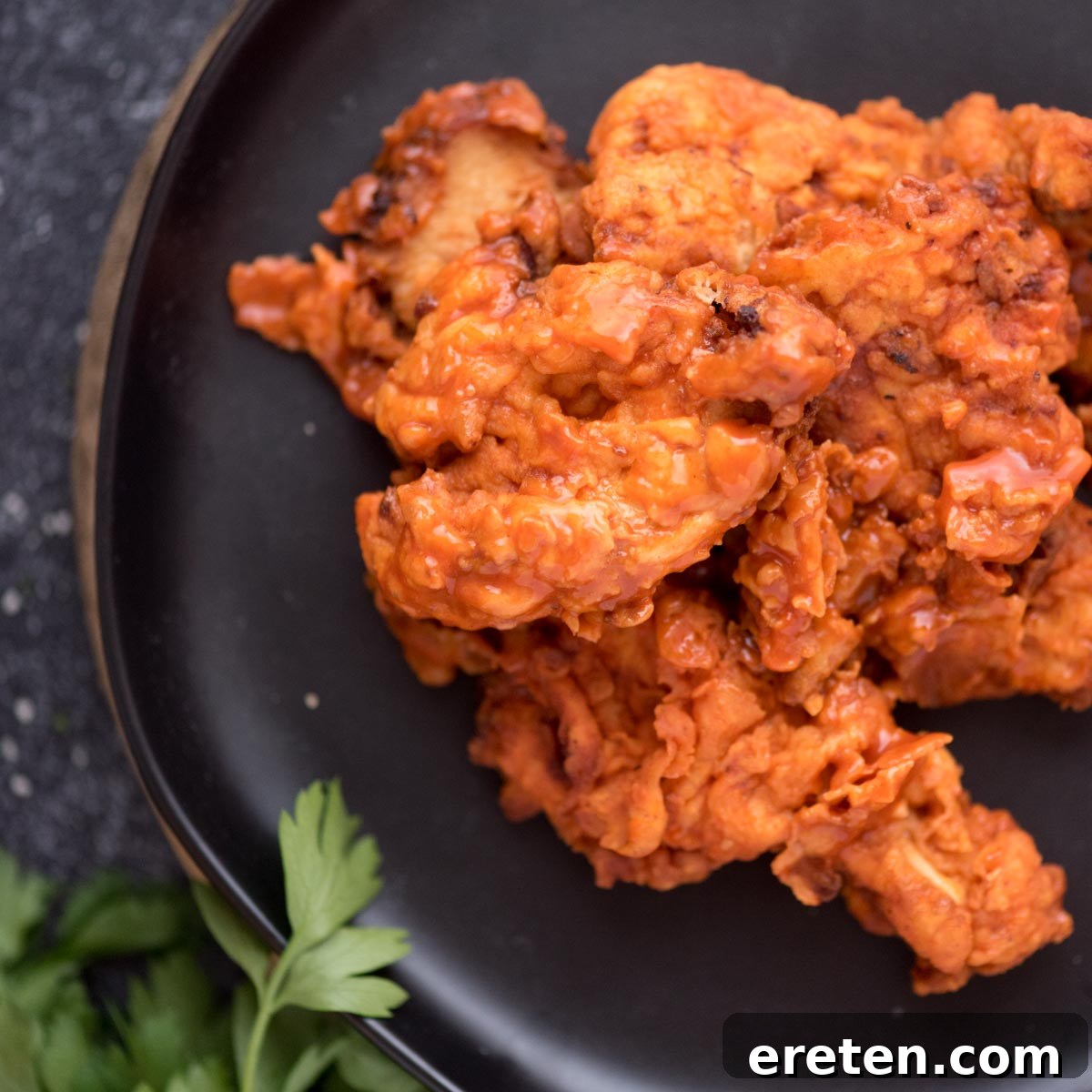
Get ready to elevate your snack game, party platter, or family dinner with these incredibly delicious and fuss-free boneless chicken bites. Imagine all the flavor and satisfying crunch of your favorite chicken wings, but without the messy bones! These homemade boneless buffalo wings are a guaranteed crowd-pleaser, perfect for any occasion where delicious, spicy chicken is on the menu.
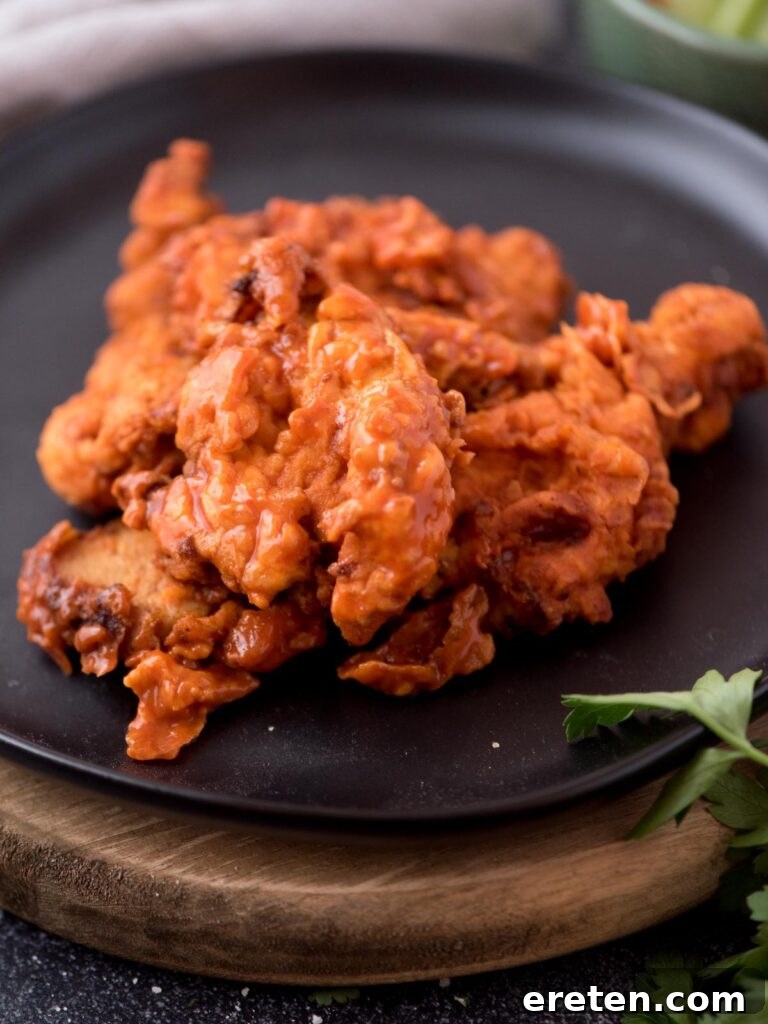
While I absolutely adore traditional chicken wings, there are times when the thought of wrestling with bones can be a deterrent. That’s precisely why these homemade boneless buffalo chicken wings have become a go-to recipe. They offer all the tangy, spicy, and savory goodness you crave, minus any of the hassle. It’s pure chicken wing bliss in every bite!
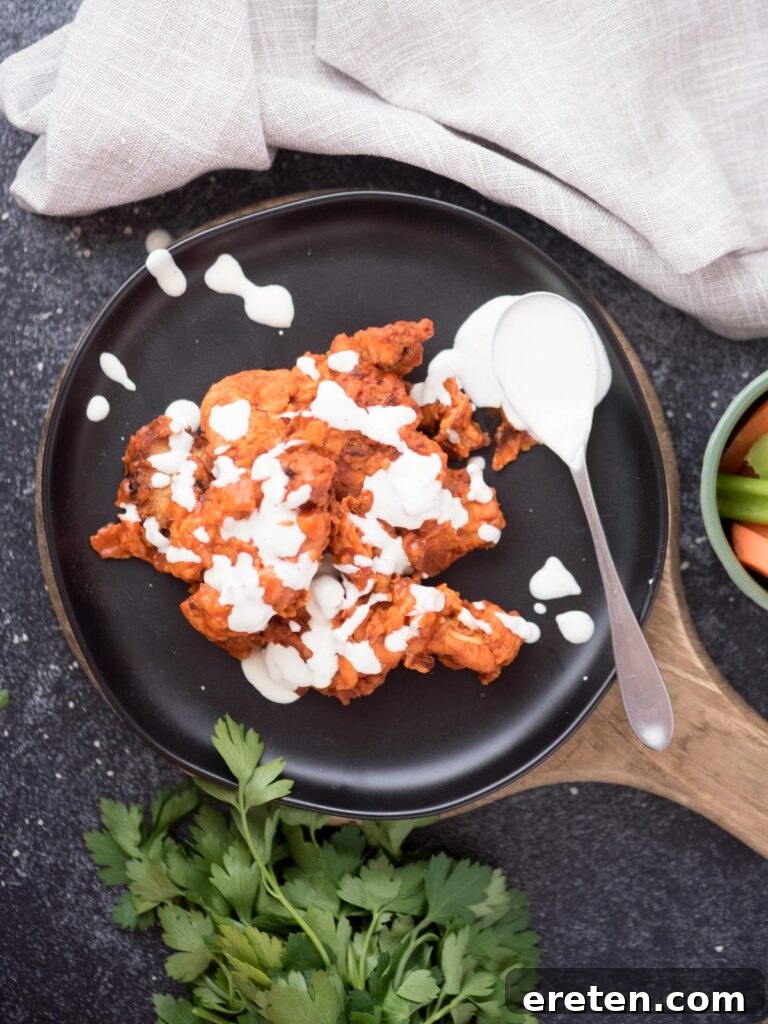
These versatile boneless wings can be served in a multitude of ways. They make an ideal appetizer for game day, a fantastic addition to a party platter, or a satisfying main course for a family meal. For a complete and hearty dinner, serve them alongside creamy mashed potatoes and sweet corn, creating a delectable, spicy “KFC-style” bowl right in your own kitchen. If you’re catering to smaller appetites or simply prefer bite-sized snacks, you can easily cut the chicken into even smaller pieces before breading to create delightful “Buffalo Bites.” No matter how you choose to present them, ensure you have an abundance of cool, creamy dipping sauces on hand. Traditional bleu cheese dressing is a classic pairing, but don’t shy away from options like Buffalo ranch or even this incredible copycat WingStop ranch recipe for an unforgettable experience. Trust me, with these boneless beauties, you’re in for a treat!
Why You’ll Fall in Love with This Boneless Wing Recipe
These aren’t just any boneless wings; they’re the ultimate solution for satisfying those chicken wing cravings with maximum flavor and minimal fuss. Here are just a few reasons why this recipe will quickly become a cherished favorite in your household:
- Effortlessly Family-Friendly: Gone are the days of struggling with bones, making these perfect for kids and adults alike. You can even turn it into a fun family activity by letting the kids help with the breading process (if you’re feeling adventurous!). Their convenient size and easy-to-eat nature mean less mess and more enjoyment for everyone at the table.
- Fun & Rewarding Homemade Experience: There’s a unique satisfaction that comes from making restaurant-quality food at home. This recipe is straightforward and enjoyable to prepare, giving you complete control over the ingredients and flavor profile. Plus, they’re fantastic for freezing, so you can always have a batch ready for future cravings or impromptu gatherings!
- Infinitely Customizable Flavors: While classic Buffalo sauce is a timeless choice, the beauty of these boneless wings lies in their adaptability. You can easily experiment with different sauces and seasonings to match your family’s favorite tastes. Think BBQ, honey mustard, garlic parmesan, sweet chili, or even a spicy Korean gochujang sauce. The base chicken is a blank canvas for culinary creativity!
- The Ultimate Convenience – No Bones!: This is, arguably, the biggest selling point. Enjoying the crispy, saucy goodness of a chicken wing without having to navigate around bones makes for a much cleaner and more enjoyable eating experience. It’s all the deliciousness, pure and unadulterated, in a perfect bite-sized package.
- Perfect for Any Occasion: From a quick weeknight dinner to a major game-day event, these boneless wings fit seamlessly into any setting. They are easy to serve, easy to eat, and universally loved, ensuring your spread is always a hit.
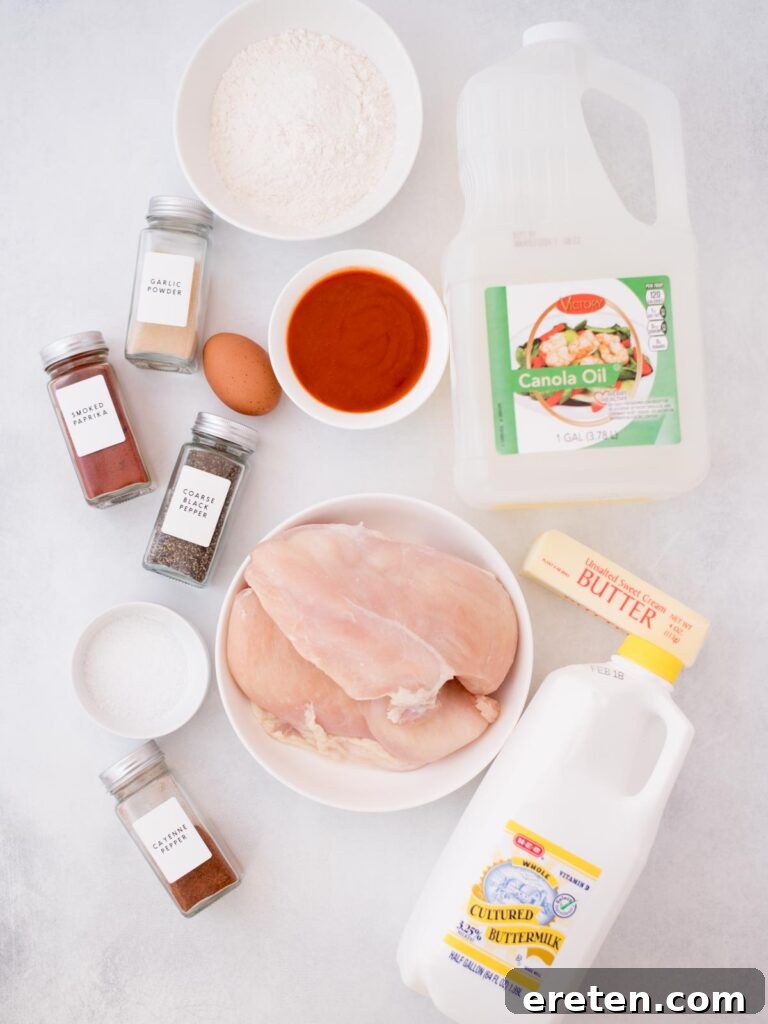
Essential Ingredients for Boneless Buffalo Wings
Crafting these delectable Buffalo chicken bites requires just a handful of straightforward ingredients and common pantry spices. The magic truly happens with a perfect balance of crispy coating and zesty sauce.
- All-Purpose Flour: This forms the base of our crispy breading. While standard all-purpose flour works wonderfully, feel free to use your preferred gluten-free flour blend at a 1:1 ratio if you need a gluten-free option.
- Aromatic Spices: A blend of salt, freshly ground black pepper, cayenne pepper, paprika, and garlic powder creates a flavorful and slightly spicy kick in the breading, complementing the buffalo sauce beautifully.
- One Large Egg: Essential for helping the flour mixture adhere to the chicken, creating a perfect canvas for the crispy coating.
- Buttermilk: The secret to tender, juicy chicken! Buttermilk not only adds a subtle tang but also helps to tenderize the chicken and ensures the breading sticks effectively.
- Boneless, Skinless Chicken Breasts: The star of our dish. Cut into uniform 1/2-inch strips or bite-sized pieces to ensure even cooking and that classic boneless wing shape.
- Classic Buffalo Sauce: Frank’s RedHot is widely considered the quintessential choice for authentic Buffalo flavor due to its perfect balance of heat and vinegar. However, don’t hesitate to use your favorite brand of buffalo sauce. Just remember that heat levels and flavor profiles can vary significantly between brands, so choose one you love!
- Unsalted Butter: Melted butter is combined with the buffalo sauce to create that rich, smooth, and glossy coating that makes Buffalo wings so irresistible. It helps to mellow the heat slightly and adds a luxurious mouthfeel.
- High Smoke Point Oil for Frying: Essential for achieving that golden, crispy exterior. Opt for oils with a smoke point of 400°F (204°C) or higher, such as canola oil, vegetable oil, peanut oil, or refined sunflower oil.
Smart Substitutions for Your Boneless Chicken Wings
One of the best aspects of this recipe is its flexibility. Don’t have a specific ingredient on hand or have dietary restrictions? No problem! Here are some easy substitutions to ensure everyone can enjoy these fantastic boneless wings:
- Flour Alternatives: As mentioned, any good quality gluten-free all-purpose flour blend can be swapped in directly for traditional wheat flour. Ensure your GF blend contains a binder like xanthan gum for best results. You could also experiment with cornstarch for an extra crispy coating, though it will produce a different texture than flour.
- Buttermilk Hacks: If buttermilk isn’t readily available or if you’re dairy-intolerant, a simple homemade substitute works perfectly. Combine 1 cup of plain, unsweetened non-dairy milk (such as almond or soy milk) with 1 tablespoon of apple cider vinegar or fresh lemon juice. Let it sit for 5-10 minutes until it slightly curdles, then use as directed. This creates a similar acidic environment that helps tenderize the chicken.
- Chicken Choices: While chicken breasts are lean and easy to work with, boneless, skinless chicken thighs can be used as a flavorful alternative. Chicken thighs tend to be juicier and more forgiving if overcooked slightly, offering a richer flavor profile. Simply cut them into appropriate bite-sized pieces.
- Buffalo Sauce Variations: Can’t find buffalo sauce or want a different flavor? You can create your own by combining hot sauce (like tabasco or your favorite chili sauce) with melted butter and a splash of vinegar. For a less spicy option, reduce the amount of cayenne in the breading and use a milder hot sauce.
- Frying Oil Flexibility: Any neutral oil with a high smoke point (above 400°F or 204°C) will work for frying. Canola, vegetable, peanut, or even grapeseed oil are excellent choices for achieving that perfect golden crisp.
How to Prepare Perfect Boneless Wings: A Step-by-Step Guide
Achieving perfectly crispy, juicy, and flavorful boneless wings is simpler than you might think. Follow these detailed steps for a truly rewarding culinary experience:
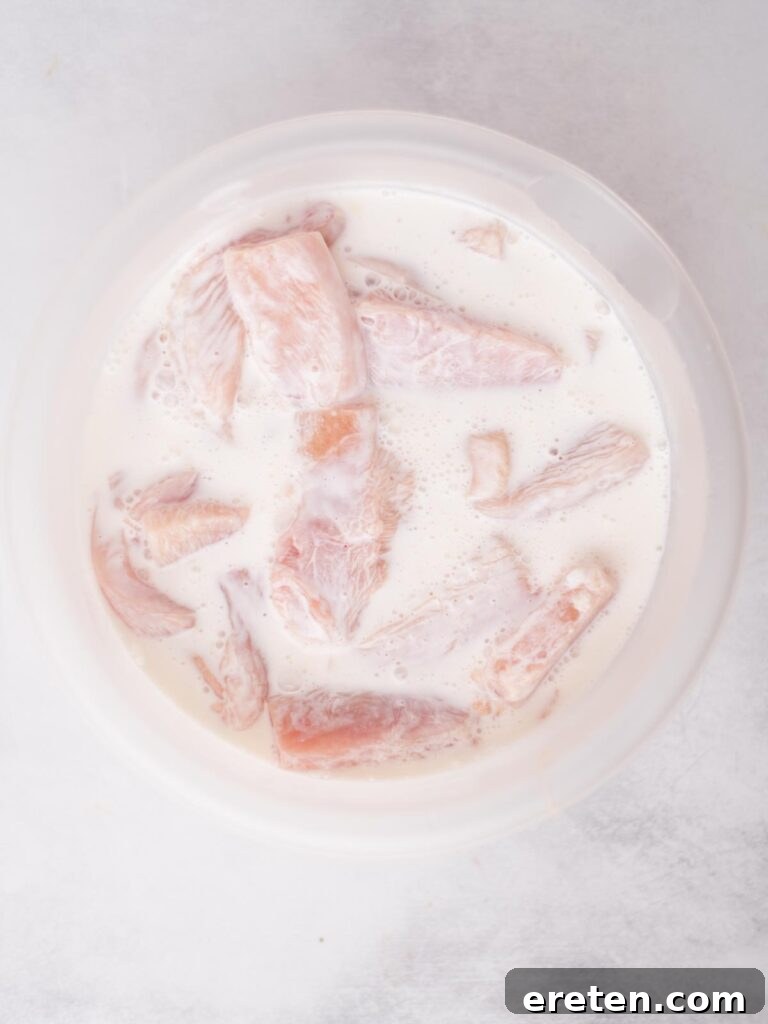
- Marinate the Chicken: Begin by placing your precisely cut chicken pieces (approximately 1/2-inch strips or cubes) into a medium-sized bowl. Pour the buttermilk over the chicken, ensuring all pieces are thoroughly coated. Cover the bowl with plastic wrap or a tight-fitting lid and refrigerate. This crucial marination step can be as short as 30 minutes, or for maximum tenderness and flavor, you can let it marinate for up to 24 hours. This acidic bath helps to tenderize the chicken and ensures a moist final product.
- Prepare Your Frying Station: While the chicken is marinating, prepare your frying setup. Pour your chosen high smoke point oil into a large, heavy-bottomed pot, Dutch oven, or high-walled sauté pan. You’ll need enough oil to submerge the chicken pieces, typically about 2-3 inches deep. Attach a deep-fry thermometer to the side of the pan. Slowly heat the oil over medium-high heat until it reaches a steady temperature of 375°F (190°C). Maintaining this temperature is key for crispy, evenly cooked wings.
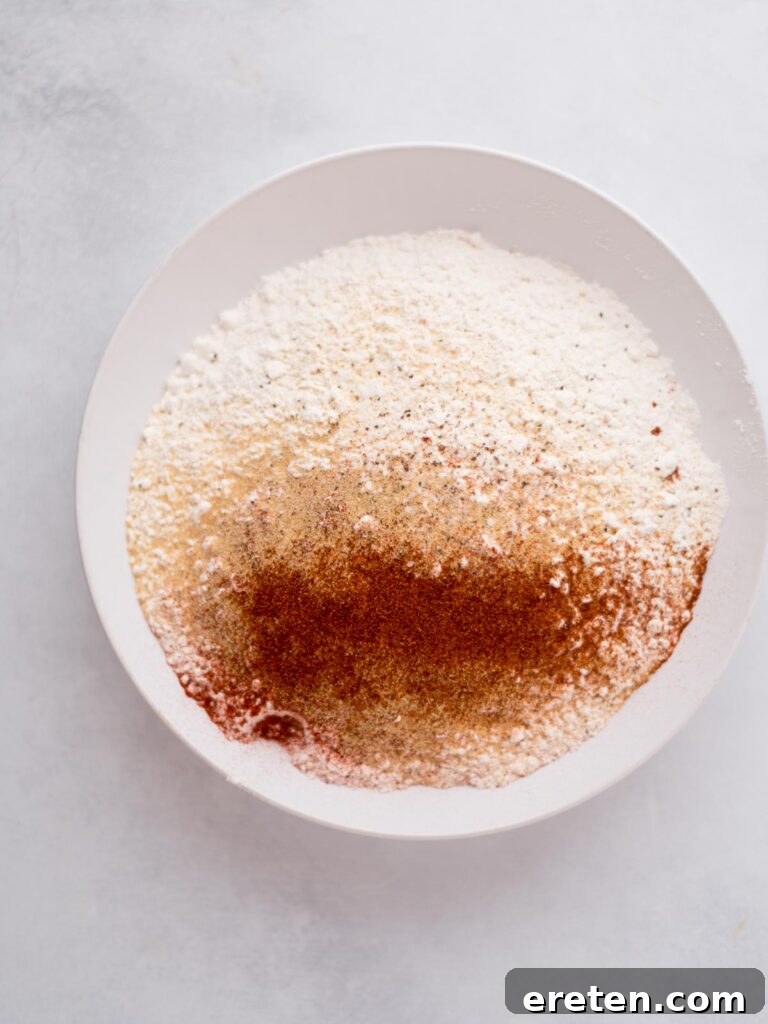
3. Craft the Seasoned Breading: In a shallow dish or wide bowl, combine the all-purpose flour with the salt, black pepper, cayenne pepper, paprika, and garlic powder. Use a whisk or fork to thoroughly mix these ingredients until they are evenly distributed. This seasoned flour will give your boneless wings their incredible flavor and signature crispness.
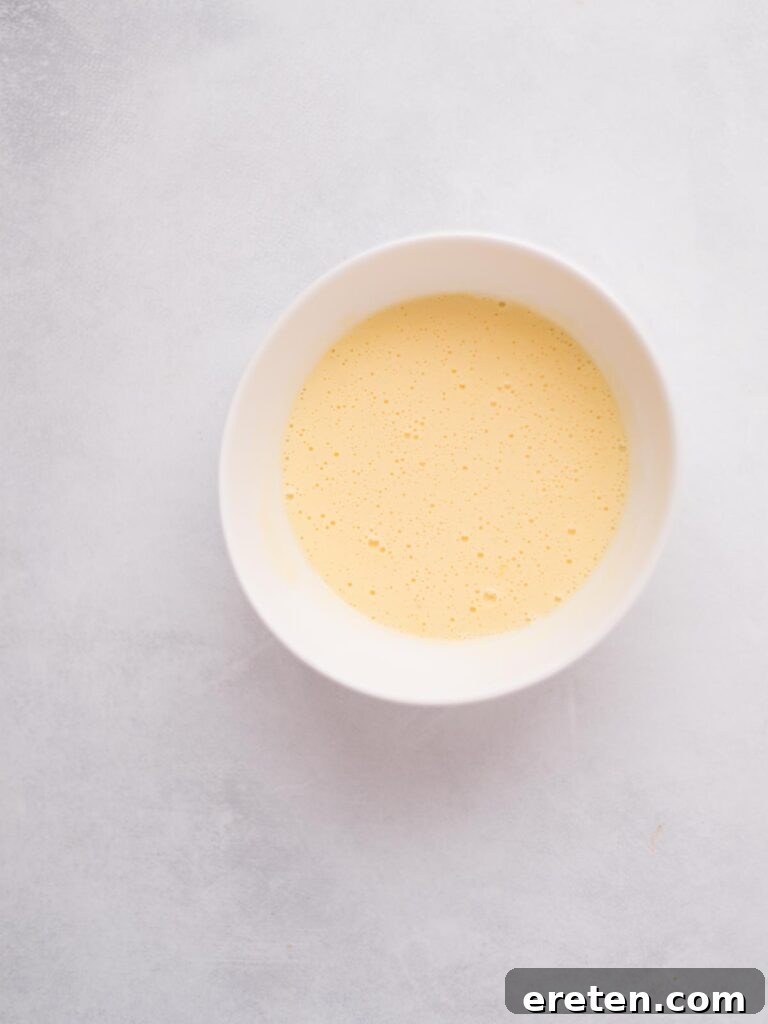
4. Prepare the Egg Wash: In another shallow bowl or a large pie dish, crack the egg and whisk it vigorously until the yolk and white are fully combined and slightly frothy. This egg wash acts as a vital binder, helping the seasoned flour adhere properly to the chicken.
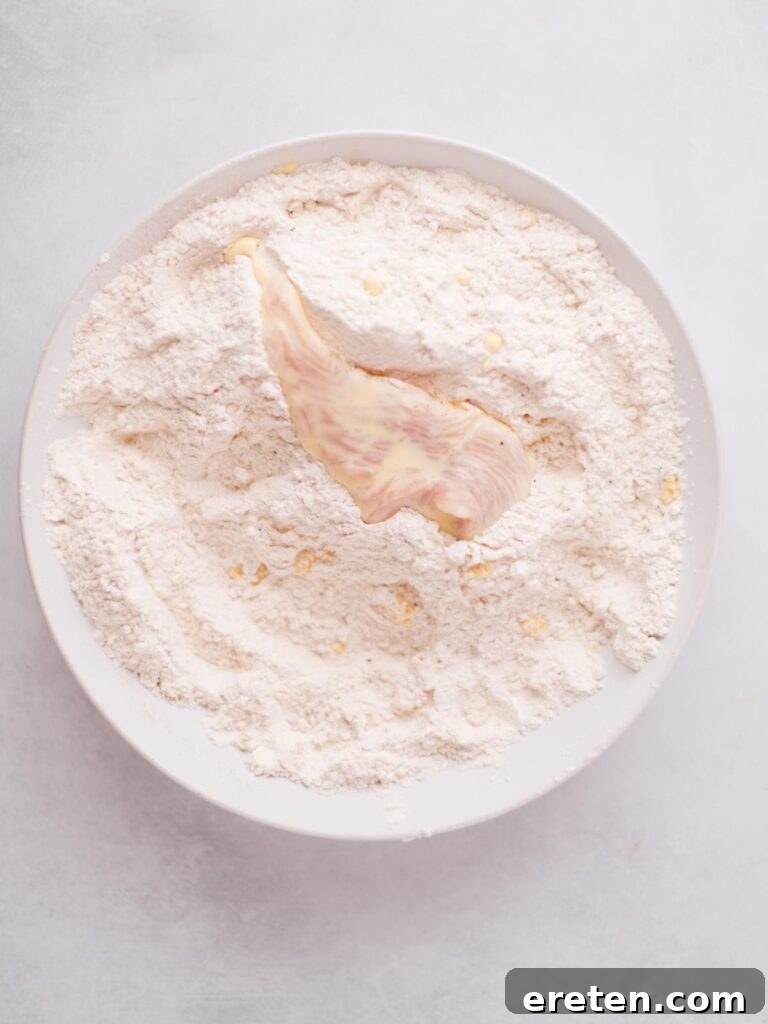
5. Double-Coat for Ultimate Crispness: Remove the chicken from the buttermilk, allowing any excess to drip off briefly. First, dip each chicken piece into the whisked egg mixture, ensuring it’s fully coated. Let any excess egg drip back into the bowl. Then, immediately transfer the egg-coated chicken to the seasoned flour mixture, pressing firmly to ensure it’s thoroughly coated. For an extra crispy crust – a hallmark of great boneless wings – repeat this process: dip the flour-coated chicken back into the egg, then once more into the seasoned flour, pressing again for a thick, even second layer. Place the double-coated chicken pieces on a clean baking sheet as you work.
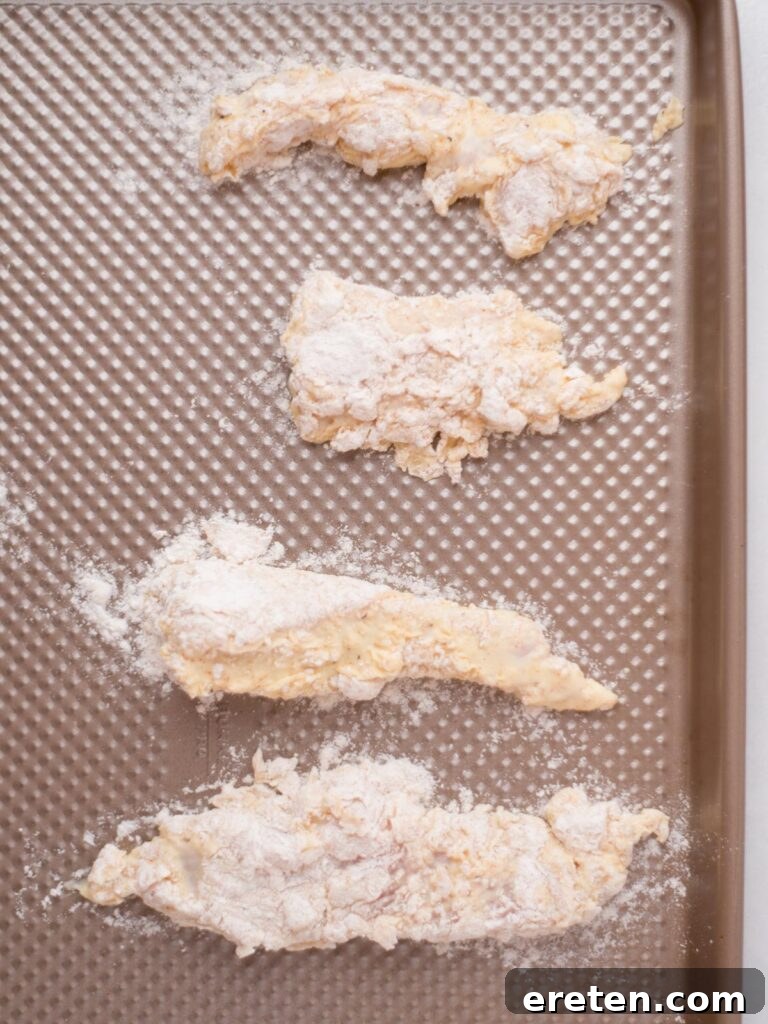
6. Chill the Breaded Chicken: Once all your chicken pieces are double-coated, arrange them in a single layer on a clean baking tray. Place the tray in the refrigerator for at least 20 minutes. This step is absolutely crucial; chilling allows the breading to set and adhere firmly to the chicken, preventing it from falling off during frying and ensuring a superior crispy texture.
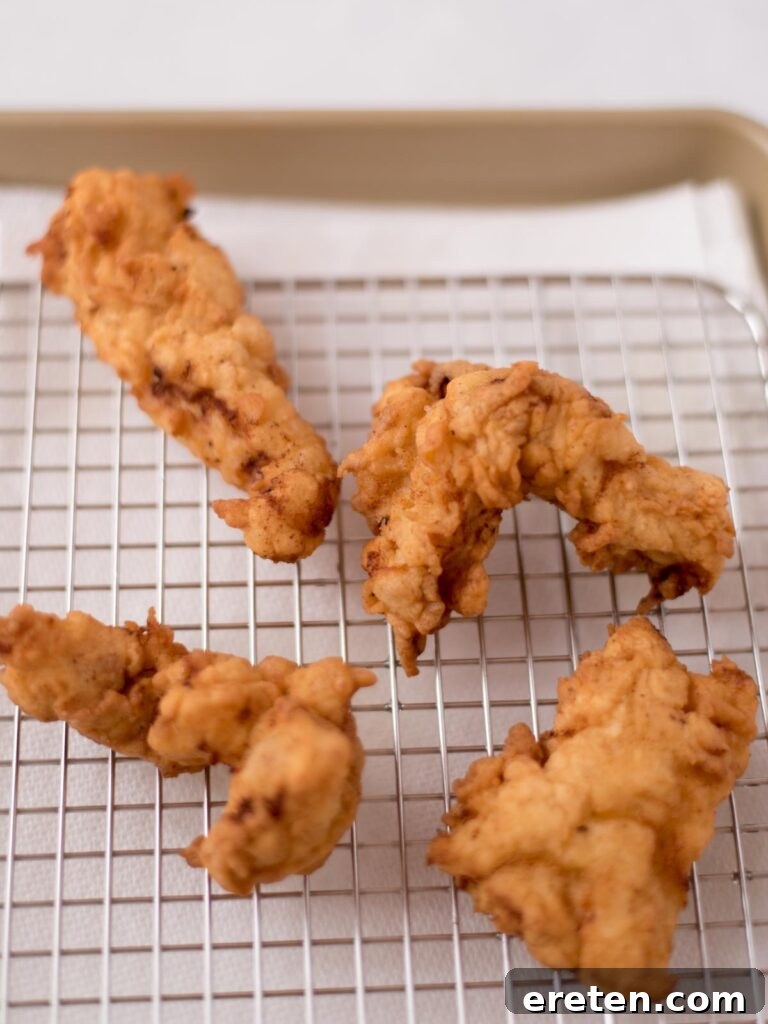
7. Fry in Batches: Carefully add the chilled, breaded chicken pieces to the preheated 375°F (190°C) oil in small batches. It’s essential not to overcrowd the pan; overcrowding will significantly drop the oil temperature, leading to greasy, soggy chicken that cooks unevenly. Fry only as many pieces as can comfortably fit in a single layer without touching. This ensures consistent cooking and maximum crispiness.
8. Cook Until Golden and Safe: Fry each batch for approximately 5-6 minutes, or until the chicken coating is a beautiful golden brown and the internal temperature of the chicken reaches a safe 165°F (74°C). Use a meat thermometer to verify doneness. Once cooked, remove the chicken with tongs or a slotted spoon and place it on a wire rack set over a baking sheet to drain any excess oil. This also helps maintain crispness.
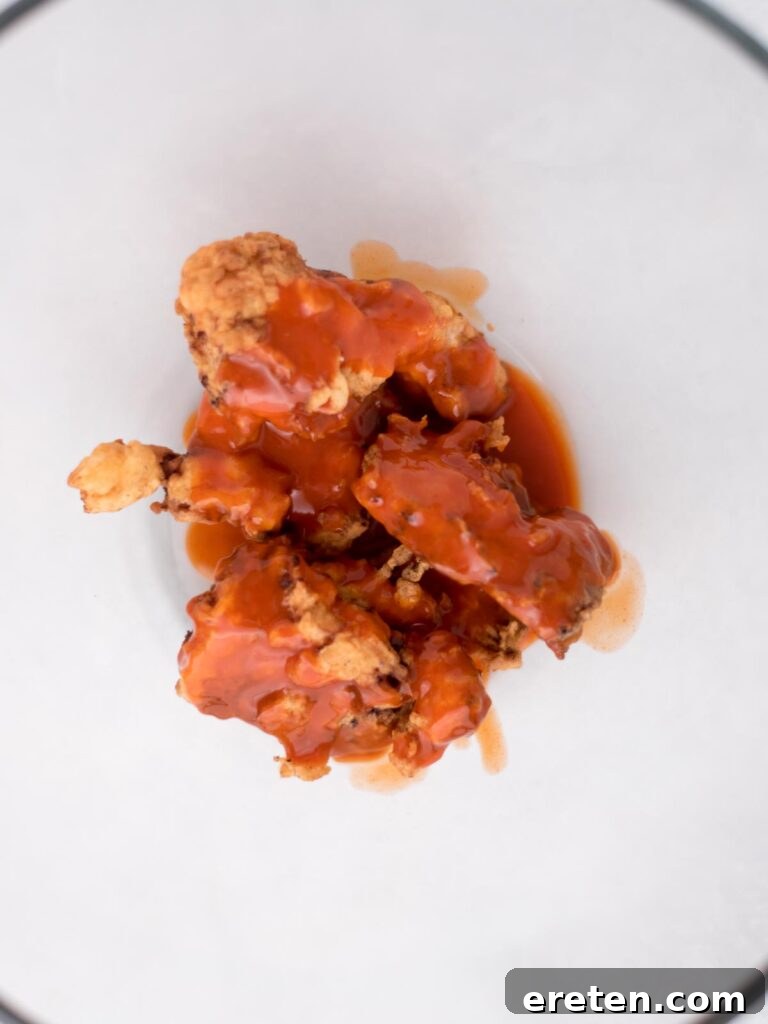
9. Sauce and Serve: In a large mixing bowl, combine your buffalo sauce with the melted butter. Add the hot, freshly fried boneless wings to the bowl. Toss them vigorously until every piece is thoroughly coated in the glorious, spicy, buttery sauce. Serve immediately with your favorite dipping sauces and garnishes. Enjoy the mouthwatering results of your efforts!
Expert Tips for Unbeatable Boneless Buffalo Wings
Transforming good boneless wings into truly unforgettable ones comes down to a few key techniques. Incorporate these tips to master your homemade Buffalo chicken bites:
- The “Wet Hand, Dry Hand” Method: To keep your breading station clean and efficient, designate one hand as your “wet hand” for handling the buttermilk-soaked chicken and dipping it into the egg wash. Use your other hand as the “dry hand” for handling the flour mixture and pressing it onto the chicken. This simple trick minimizes mess, prevents clumps of breading from forming on your hands, and ensures less waste of ingredients.
- Don’t Skip the Chill Time: The 20-minute refrigeration step after breading is non-negotiable for superior results. Chilling helps the breading adhere firmly to the chicken, creating a protective barrier that prevents it from shedding during frying. This results in a consistently crispy crust and juicy chicken every time.
- Choose the Right Oil: The type of oil you use for frying significantly impacts the flavor and texture of your wings. Always opt for an oil with a high smoke point (above 400°F or 204°C) to prevent burning and unpleasant flavors. Canola, vegetable, peanut, or refined sunflower oil are all excellent neutral-flavored choices that can withstand the high heat required for deep-frying.
- Mind the Salt: Salt can cause oil to break down and darken more quickly, which might lead to your breading browning excessively before the chicken is fully cooked, or impart an undesirable flavor. To avoid this, consider omitting the salt from your breading mixture entirely. Instead, season the chicken generously with salt immediately after removing it from the hot oil. This allows the salt to adhere to the warm, freshly fried surface, enhancing the flavor without affecting the frying process.
- Use a Thermometer for Oil and Chicken: A deep-fry thermometer is your best friend for maintaining the optimal oil temperature. If the oil is too cool, the chicken will absorb too much oil and become greasy. If it’s too hot, the exterior will burn before the interior cooks through. Similarly, an instant-read meat thermometer ensures your chicken reaches the safe internal temperature of 165°F (74°C) without overcooking and drying out.
- Work in Small Batches: Resist the urge to overcrowd the frying pot. Frying in small batches (3-5 pieces at a time, depending on your pot size) is critical for maintaining a consistent oil temperature and achieving maximum crispiness. This allows each piece to fry evenly and prevents a significant drop in oil temperature.
Creative Ways to Serve Your Homemade Boneless Wings
These boneless Buffalo chicken bites are incredibly versatile and can be adapted to suit any meal or gathering. Here’s how you can serve them to impress everyone:
- Classic Bar or Pub Fare: For an authentic game-day or date-night experience, serve your boneless wings piled high on a platter with an array of dipping sauces. Think traditional bleu cheese, creamy ranch, and even a cooling Greek yogurt tzatziki. Add celery sticks and carrot sticks for that classic wing joint vibe.
- Buffalo Chicken Wraps: Transform your boneless wings into a fresh and satisfying main course. Chop the sauced wings into smaller pieces, then wrap them in a large flour tortilla with crisp romaine lettuce, thinly sliced red onion, and diced tomatoes. Drizzle generously with ranch or blue cheese dressing for a burst of flavor. Serve alongside a side of crispy sweet potato fries or a light salad.
- Hearty Family Dinner: Create a comforting, spiced-up family meal by pairing your boneless wings with Southern-inspired sides. Consider creamy mashed potatoes, fluffy cornbread, and your favorite steamed or roasted vegetables. This combination offers a delightful contrast of textures and flavors. Be sure to have plenty of napkins on hand – it’s going to be a deliciously messy affair!
- Ultimate Game Day Platter: Elevate your game day spread by serving these boneless wings with easy air fryer potato skins. The combination of crispy chicken and cheesy, loaded potato skins is a guaranteed winner. Again, a stack of napkins is a must!
- Asian-Inspired Twist: While the recipe focuses on Buffalo, consider serving these crispy chicken bites with a side of sticky white rice and a fresh cucumber salad if you’re feeling adventurous. You can even toss them in a different sauce like a sweet and sour or honey sriracha for a completely different flavor profile.
Storing & Reheating Boneless Buffalo Wings Like a Pro
Sometimes, despite your best efforts, there might be a few boneless wings left over. Don’t let them go to waste! Proper storage and reheating techniques ensure you can enjoy their deliciousness again.
Storing Leftovers
To keep your leftover boneless wings fresh and flavorful, place them in a well-sealed, airtight container. Ensure they are completely cooled before storing to prevent condensation, which can lead to sogginess. Stored correctly in the refrigerator, they will maintain their quality for up to 3 days.
For longer storage, these boneless wings freeze beautifully. Once they have cooled completely, arrange them in a single layer on a baking sheet and freeze for about an hour until solid. This prevents them from sticking together. Then, transfer the frozen wings into an airtight, freezer-safe bag. For ultimate freshness and to prevent freezer burn, you can even vacuum seal them. They are best enjoyed within 3 months in the freezer.
How to Reheat Boneless Wings for Maximum Crispness
Reheating is key to reviving that desirable crispy texture. Avoid the microwave if you want to prevent soggy wings.
- Oven Method: Preheat your oven to 350°F (175°C). Arrange the refrigerated or thawed wings in a single layer on a baking sheet. Bake for 20-25 minutes, or until they are thoroughly heated through and crisp again.
- Air Fryer Method: For an even crispier result, the air fryer is your best friend. Preheat your air fryer to 350°F (175°C). Place the wings in the air fryer basket in a single layer (work in batches if necessary). Cook for about 10-15 minutes, flipping halfway, until they are perfectly crispy and warmed through.
Pro Tip: After reheating, your wings might lose some of their original saucy luster. Consider tossing them in a fresh batch of buffalo sauce and melted butter for a truly revitalized experience!
Frequently Asked Questions About Boneless Wings
Boneless chicken wings are essentially bite-sized pieces of chicken breast that have been carefully cut and shaped to resemble the familiar form factor of bone-in wings. They are then breaded in a flavorful, spiced flour mixture, deep-fried until golden and crispy, and finally tossed in a zesty, spicy Buffalo wing sauce. They offer all the taste and experience of traditional wings, but in a more convenient, easy-to-eat format.
The primary component of boneless wings is almost always boneless, skinless chicken breast meat. This lean cut of chicken is preferred for its tender texture and ability to absorb flavors. The chicken breast is then breaded, usually with a flour-based mixture, deep-fried, and subsequently coated in the signature Buffalo wing sauce.
The term “boneless wings” can sometimes be a bit misleading as they aren’t deboned traditional chicken wings. Instead, they are prepared by taking whole chicken breasts and cutting them into smaller, uniform pieces. These pieces are then carefully shaped and sized to mimic the appearance and mouthfeel of conventional bone-in wings, providing a similar satisfying bite without the actual bones.
While both are made from chicken breast, boneless wings and chicken tenders are distinct. Chicken tenders, also known as chicken fillets or goujons, typically come from the pectoralis minor muscle, which is a specific, naturally occurring strip of meat found under the main chicken breast. Boneless wings, on the other hand, are cut from the larger chicken breast meat itself, often sectioned into various shapes and sizes to achieve a more “wing-like” presentation and texture.
No, boneless wings and chicken nuggets are quite different. Chicken nuggets are generally made from ground or finely processed chicken meat, often reformed into specific shapes before being breaded and fried. Boneless wings, conversely, are cut directly from whole pieces of chicken breast meat, offering a more substantial, whole-muscle texture rather than a processed, ground product.
Recommended Kitchen Tools for Boneless Wings
To make your boneless wing preparation even smoother and more enjoyable, consider having these essential kitchen tools on hand:
Explore More Fantastic Chicken Wing Recipes
If you loved the simplicity and flavor of these boneless Buffalo wings, you’re in for a treat! Discover more incredible chicken wing recipes to satisfy every craving, from zesty rubs to sweet and savory glazes:
- Spicy & Flavorful Cajun Dry Rub Wings
- Garlic Parmesan Wings (Perfect in the Air Fryer!)
- Tangy Tequila Lime Chicken Wings
- Sweet & Savory Honey Garlic Chicken Wings
- Crispy, Flavorful Dry Rub Air Fryer Wings
Must-Try Dipping Sauce Recipes for Your Wings
What are delicious wings without an array of incredible sauces to dunk them in? Elevate your wing experience with these homemade dipping sauce recipes:
- Authentic Copycat WingStop Ranch Dressing
- Creamy & Kicky Buffalo Ranch Dressing
- Refreshing Greek Yogurt Tzatziki Sauce
- Sweet Heat Honey Sriracha Sauce
If you whip up this incredible recipe and find yourself loving every bite, we would be incredibly grateful for a 5-star rating! Your feedback helps us continue to share delicious, free recipes with our community.
Boneless Chicken Wings Recipe
20 mins
6 mins
6

These boneless chicken bites are sure to be hit at your next party or family dinner. They’re like the best part of the chicken wing without the mess of the bones!
Ingredients
- 1 cup flour
- 2 teaspoons salt
- 1/2 teaspoon black pepper
- 1/2 teaspoon cayenne pepper
- 1/2 teaspoon paprika
- 1/4 teaspoon garlic powder
- 1 egg
- 1 cup buttermilk
- 1 lb boneless skinless chicken breasts, cut into 1/2 inch strips
- 1/4 cup buffalo sauce
- 1 tablespoon butter
- Oil for frying (choose a high smoke point oil)
Instructions
- Add chicken and buttermilk to a bowl. Cover and refrigerate while you prepare the other ingredients (up to 24 hours).
- Heat oil to 375°F (190°C) in a large pot or deep fryer.
- Mix together flour, salt, peppers, paprika, and garlic powder in a shallow dish.
- Whisk egg in another shallow bowl.
- Dip chicken in the egg, then roll it in the flour. Repeat the process so that it has two coats for extra crispiness.
- Place the breaded chicken on a tray and put it in the refrigerator for 20 minutes.
- Add the chicken to the hot oil in small batches to avoid overcrowding and ensure even cooking.
- Cook until the chicken is golden brown and the internal temperature is 165°F (74°C). This should take about 5-6 minutes per batch.
- Combine the butter and buffalo sauce in a large bowl and toss the hot wings in it until evenly coated. Serve immediately.
Notes
- Try to keep a “dry hand” and a “wet hand” when coating the chicken to minimize mess and reduce ingredient waste.
- It’s crucial to chill the breaded chicken for 20 minutes in the fridge. This step helps the coating adhere properly to the chicken during frying, ensuring maximum crispness.
- Always use an oil with a high smoke point (over 400°F or 204°C) for frying, such as canola, vegetable, or peanut oil.
- Salt can sometimes cause frying oil to oxidize and darken. To prevent this, you can omit salt from the breading mixture and instead sprinkle it on the chicken immediately after removing it from the hot oil.
Nutrition
Nutrition information is automatically calculated, so should only be used as an approximation.
Additional Info
Appetizer, Main Course
American, Comfort Food