
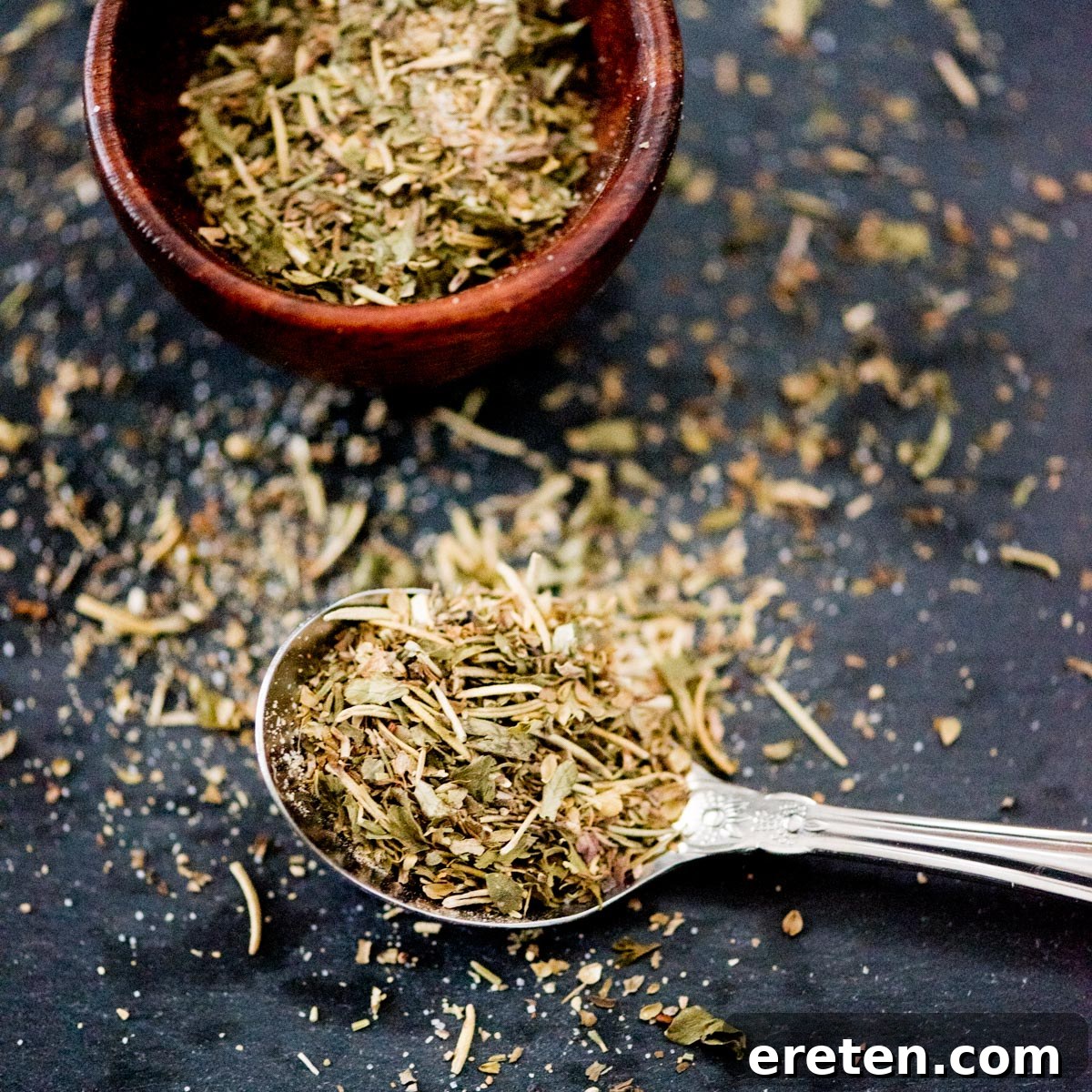
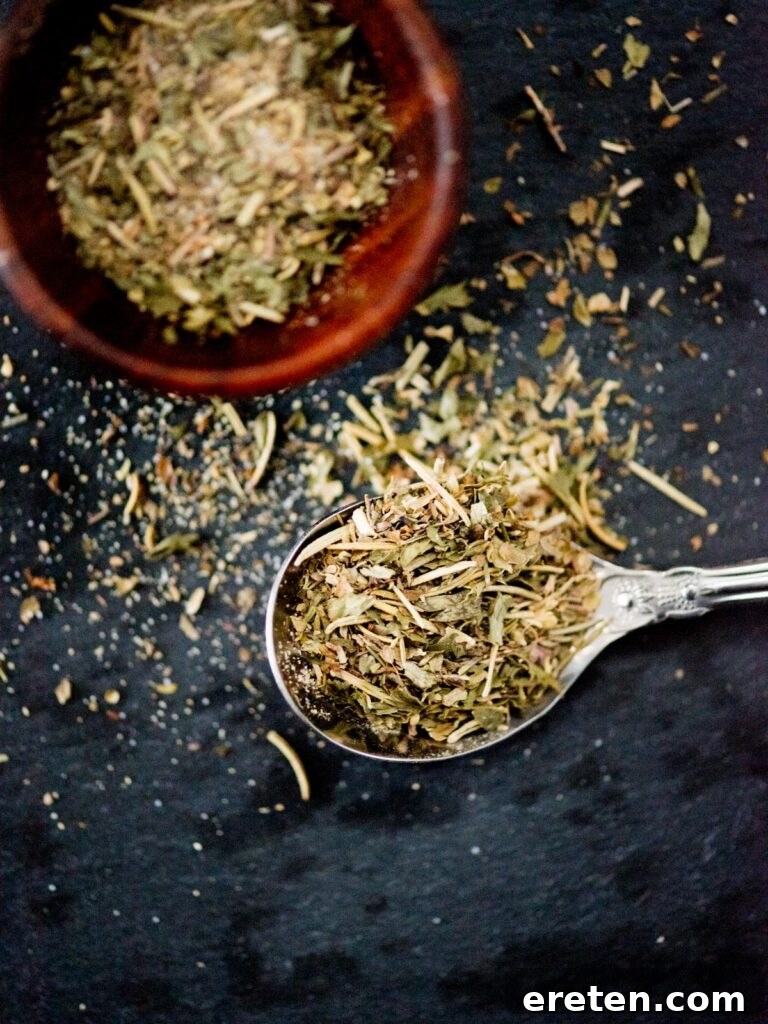
Unlock Authentic Mediterranean Flavors with This Easy Homemade Greek Seasoning Blend – Crafting your own Greek seasoning is a simple yet incredibly rewarding endeavor. This robust blend captures the quintessential essence of Greek cuisine, bringing together aromatic garlic, fragrant basil, earthy rosemary, pungent oregano, and subtle thyme into a versatile mix that will elevate countless dishes. Forget bland store-bought versions; this homemade recipe ensures every pinch is packed with vibrant, fresh flavor.
Please note: This post may contain affiliate links. Should you choose to make a purchase through one of my links, I may earn a small commission at no extra cost to you. Your support helps keep this content coming!
Why Embrace Homemade Greek Seasoning?
There’s a special satisfaction that comes with creating your own spice blends. Beyond the joy of DIY, making your own Greek seasoning offers a multitude of benefits that far outweigh purchasing pre-made mixes. From superior flavor to complete control over ingredients, here’s why this recipe deserves a spot in your spice rack:
- Budget-Friendly Culinary Excellence: Crafting your own seasoning blend is almost always more economical than buying pre-mixed options. Spices purchased in bulk quantities often come at a lower unit cost, allowing you to create larger batches of your favorite blend for a fraction of the price. This saving adds up significantly over time, especially for frequently used seasonings like this Greek staple.
- Pure Ingredients, No Unwanted Additives: Many commercial seasoning blends contain anti-caking agents, preservatives, and various fillers that can dilute the flavor and add unnecessary chemicals to your food. With this homemade Greek seasoning blend, you’re guaranteed a pure mix of aromatic herbs and spices – nothing more, nothing less. You know precisely what goes into your food, offering peace of mind and cleaner eating.
- Master Your Sodium Intake: Pre-made seasoning mixes are notorious for their high sodium content, which can be a concern for many health-conscious individuals. When you make your own, you have complete command over the salt level. You can add as much or as little as you desire, tailoring it perfectly to your dietary needs and taste preferences. This flexibility allows you to enjoy the rich flavors of Greek cuisine without compromising on health.
- Effortless Customization and Scalability: Whether you’re cooking for one or preparing a feast, this recipe is incredibly versatile. You can easily scale it up to create large quantities for long-term storage, saving time on future meal prep. Conversely, you can scale it down for a single recipe, ensuring no precious spices go to waste. This adaptability not only saves money by optimizing ingredient usage but also ensures you always have a fresh, potent blend on hand.
- Unmatched Freshness and Potency: Spices begin to lose their potency the moment they are ground. Store-bought blends can sit on shelves for extended periods, leading to diminished flavor. By mixing your own just when needed, or in smaller, regular batches, you guarantee the freshest, most aromatic, and most potent flavor profile possible. The difference in taste is truly remarkable.
- Allergen Control: For those with specific allergies or sensitivities, making your own blends provides crucial control. You can avoid cross-contamination risks and ensure that every ingredient is safe and suitable for your dietary requirements, something that’s often difficult to verify with mass-produced products.
The Essential Components of This Greek Seasoning
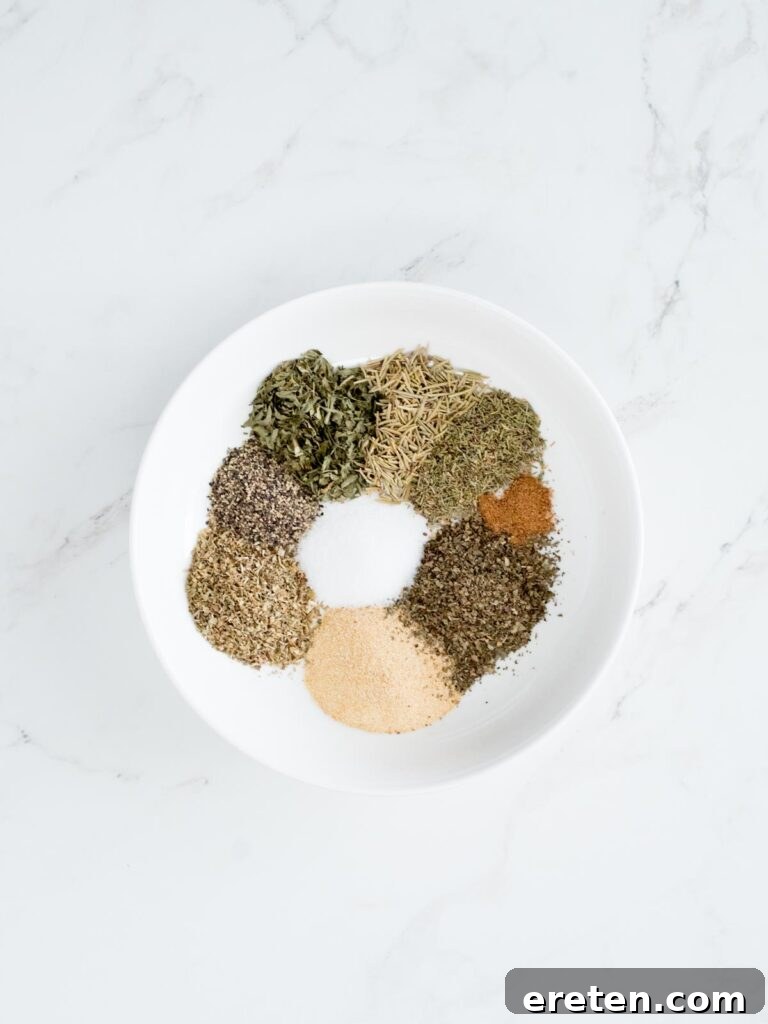
The magic of Greek seasoning lies in its harmonious blend of earthy, pungent, and herbaceous notes. Each ingredient plays a vital role in creating that distinctive Mediterranean flavor profile:
- Garlic Powder: A foundational flavor in Greek and Mediterranean cooking, garlic powder provides a deep, savory, and slightly pungent base. It offers concentrated garlic flavor without the moisture or texture of fresh garlic, making it ideal for dry rubs and seasoning blends.
- Dried Basil: Sweet and aromatic, basil introduces a touch of anise and minty freshness to the blend. It’s a cornerstone of many Mediterranean dishes and adds a bright, herbaceous lift.
- Dried Oregano: Arguably the most characteristic herb in Greek cuisine, oregano delivers a robust, peppery, and slightly bitter note. Its intense flavor is indispensable for an authentic Greek taste, evoking images of sun-drenched Mediterranean landscapes.
- Dried Parsley: Offering a fresh, slightly peppery, and herbaceous clean note, dried parsley brightens the overall flavor. It acts as a perfect counterpoint to the stronger herbs, adding balance and depth.
- Dried Thyme: With its subtle earthy, minty, and slightly floral notes, thyme contributes a gentle warmth and complexity. It complements oregano beautifully and is a common element in traditional Greek cooking.
- Kosher Salt: Essential for enhancing and balancing all the other flavors, kosher salt provides a clean, mineral taste without the additives found in some table salts. Its larger flakes distribute evenly throughout the blend.
- Ground Black Pepper: Adding a touch of warmth and a subtle spicy kick, ground black pepper is a universal seasoning that provides a necessary aromatic heat and depth to the mix.
- Dried Rosemary: This potent, piney, and woody herb adds a distinctly aromatic and slightly bitter note. Rosemary pairs exceptionally well with roasted meats and vegetables, bringing a classic Mediterranean aroma.
- Ground Nutmeg: While perhaps surprising, a small touch of ground nutmeg adds a warm, subtly sweet, and complex background note. It’s a secret ingredient in many traditional Mediterranean meat dishes and offers an unexpected depth that truly elevates this blend.
Exploring Variations for Your Greek Seasoning Blend
While this recipe provides a perfectly balanced, traditional Greek flavor, the beauty of homemade blends lies in the ability to customize. For an authentic taste, sticking to the core ingredients is recommended. However, if you’re looking to explore new dimensions or cater to specific dietary needs, consider these thoughtful additions and modifications:
- A Touch of Citrus: For an extra layer of brightness, you can add a small amount of dried lemon peel or zest. This complements the herbaceous notes beautifully, especially when using the seasoning for chicken or fish.
- Heat Factor: If you enjoy a bit of spice, a pinch of red pepper flakes or a tiny amount of cayenne pepper can add a pleasant warmth without overpowering the traditional flavors.
- Mediterranean Cousins: While not strictly Greek, a dash of dried marjoram can provide a softer, sweeter note that harmonizes well with oregano. Dried mint is another interesting addition for lamb or specific vegetable dishes.
- Smoky Undertones: For a subtle smoky depth, particularly good with grilled meats or vegetables, consider adding a very small amount of smoked paprika.
- Herbs de Provence Influence: Although distinct, some of the herbs in a classic Herbs de Provence blend (like savory) can offer an interesting twist if you’re feeling experimental.
How to Prepare Your Own Greek Seasoning Blend
Creating this flavorful Greek seasoning is incredibly straightforward. With just a few simple steps, you’ll have a fresh, aromatic blend ready to transform your cooking. The detailed measurements are provided in the recipe card at the bottom of this page, but here’s the basic process:
- Gather Your Ingredients: Ensure all your dried herbs and spices are fresh and accurately measured. Having everything ready before you begin makes the process smooth and efficient.
- Combine in a Bowl or Jar: Add all the measured ingredients into a medium-sized bowl or directly into a clean, dry jar. If using a jar, make sure it’s large enough to allow for thorough mixing.
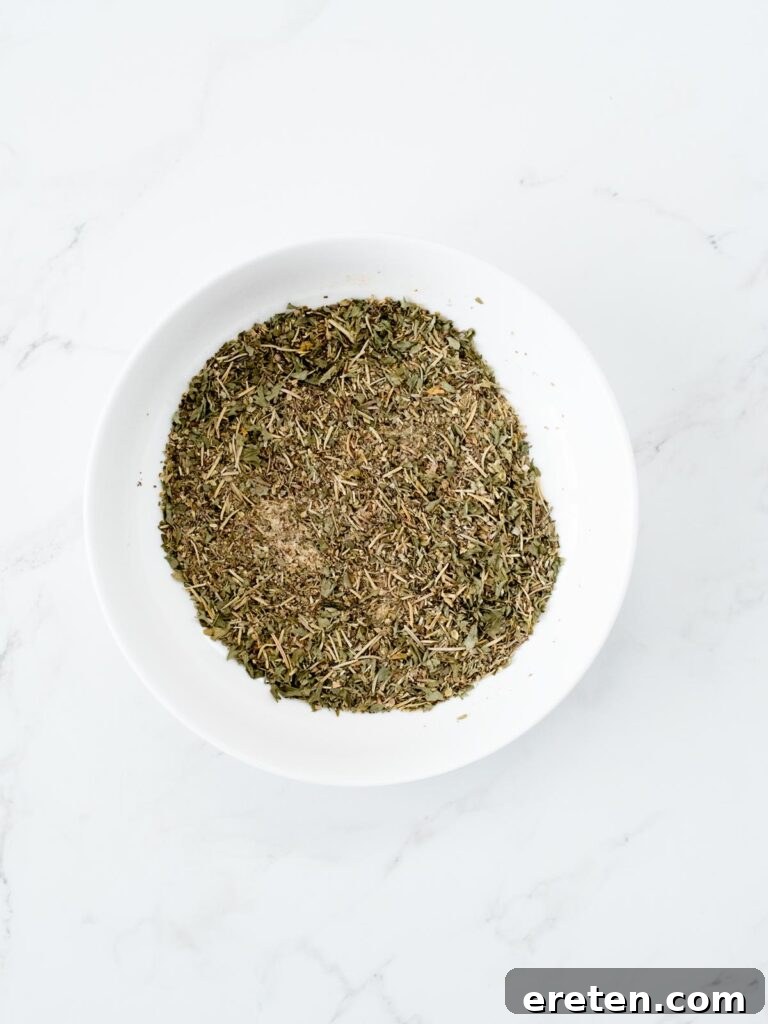
- Mix Thoroughly: Using a spoon or whisk, mix all the ingredients until they are completely combined. It’s crucial to ensure that the spices are evenly distributed, so every spoonful of your blend delivers a consistent flavor. If using a jar, simply secure the lid tightly and shake vigorously for 30-60 seconds, ensuring no clumps remain.
- Store Properly: Transfer your freshly made Greek seasoning blend into an airtight container. This could be a small glass jar, an old spice container, or any other airtight vessel. Store it alongside your other spices in a cool, dark place away from direct sunlight and heat to maintain its potency and flavor for as long as possible.
Expert Tips for an Unforgettable Greek Seasoning
Achieving the perfect homemade Greek seasoning blend is easy, but a few key tips can elevate your results from good to exceptional:
- Prioritize Fresh Spices: The quality of your seasoning blend is directly proportional to the freshness of your individual spices. Always check the expiration dates of your dried herbs and powders. Expired or stale spices lose their volatile oils, offering little to no flavor to your dish. For optimal potency, try to purchase spices from stores with high turnover, or dedicated spice shops, and replace them regularly (typically every 6-12 months for ground spices, 1-2 years for whole spices/dried herbs).
- Personalize the Salt Content: One of the greatest advantages of making your own seasoning is the ability to control the sodium. The recipe provides a guideline, but feel free to adjust the salt level to your personal preference or dietary needs. If you’re on a low-sodium diet, you can significantly reduce the amount or even omit it entirely and add salt to individual dishes as you cook. Always taste and adjust!
- Consider Alternative Salts: While kosher salt is specified for its clean taste and texture, you can absolutely replace it with other types of salt. Himalayan pink salt or sea salt are excellent alternatives that offer similar mineral profiles and granular textures. Avoid finely ground table salt, which can make the blend overly salty if not adjusted carefully.
- Finely Grind for Smoothness: For an ultra-fine, evenly textured blend, especially if you plan to use it as a rub, consider running the combined spices through a spice grinder or a clean coffee grinder for a few seconds. This helps to release more aromatic oils and ensures a consistent application. Be careful not to over-process, which can turn it into a paste.
- Label and Date: Always label your homemade seasoning with its name and the date it was made. This simple practice helps you keep track of its freshness and ensures you’re always using the most potent blend.
Frequently Asked Questions About Greek Seasoning
When stored properly in an airtight container and using fresh, high-quality dried herbs and spices, this homemade Greek seasoning blend can retain its potency and flavor for up to 2-3 years. While it may not ‘spoil’ after this period, its aromatic qualities will gradually diminish, leading to a less impactful flavor in your dishes. For best results, aim to use it within 18 months for peak freshness.
To preserve its vibrant flavors and extend its shelf life, Greek seasoning should be stored in an airtight container. Glass jars with tight-fitting lids (like mason jars or recycled spice jars) are ideal, as they prevent air and moisture from degrading the spices. Keep the container in a cool, dark pantry or cupboard, away from direct sunlight, heat sources (like stoves or ovens), and excessive humidity. Proper storage is key to maintaining the blend’s potency.
Greek cuisine is renowned for its fresh, vibrant flavors, heavily relying on a selection of fragrant herbs and spices. Some of the most popular and foundational Greek spices include:
– Oregano: The undisputed king of Greek herbs, known for its robust, earthy, and slightly peppery notes.
– Garlic: Used extensively in various forms for its pungent and savory depth.
– Dill: Essential for many dishes, particularly fish, salads, and yogurt-based sauces like tzatziki.
– Mint: Adds a refreshing, cooling counterpoint, often used with lamb or in salads.
– Parsley: Valued for its fresh, clean, and slightly peppery flavor.
– Thyme: Offers a delicate, earthy, and slightly floral aroma, often paired with roasted meats and vegetables.
– Cinnamon and Nutmeg: Surprisingly common in savory Greek dishes, especially those with ground meat, adding a warm, subtle sweetness.
This particular recipe is designed for dried herbs and spices, as they offer a concentrated flavor and a long shelf life, making them ideal for a dry seasoning blend. Fresh herbs contain moisture and would not create a shelf-stable mix. If you wish to use fresh herbs in a dish, it’s best to add them directly during cooking, separate from this dry blend. As a general rule, use one-third the amount of dried herbs when substituting for fresh herbs (e.g., 1 tsp dried oregano for 3 tsp fresh oregano).
Traditional Greek seasoning, like this homemade blend, is not typically spicy. It’s characterized by its savory, earthy, and herbaceous flavors derived from ingredients like oregano, garlic, and thyme. While it contains black pepper for warmth, it doesn’t generally provide significant heat. If you prefer a spicier kick, you can easily add a pinch of red pepper flakes or cayenne pepper to your individual dishes or to the blend itself (as suggested in the variations section).
Elevate Your Cooking: Recipes That Perfectly Pair with This Greek Seasoning
This versatile Greek seasoning blend is not just for one type of dish; its aromatic profile makes it an incredible enhancer for a wide array of Mediterranean-inspired meals. Here are just a few ideas to get you started, alongside links to some delicious recipes:
- Marinated Meats: This blend shines as a rub or marinade for chicken, lamb, pork, or beef. Sprinkle generously over poultry before roasting or grilling for a succulent, flavorful meal. It’s particularly fantastic with lamb chops or a whole roasted chicken.
- Roasted Vegetables: Transform ordinary vegetables into a taste sensation. Toss potatoes, zucchini, bell peppers, onions, or eggplant with olive oil and a generous amount of Greek seasoning before roasting for a simple yet exquisite side dish.
- Greek Pasta Salad: Add a zesty Mediterranean kick to your Greek Pasta Salad, infusing the pasta and vegetables with authentic flavor.
- Flavorful Burgers: Mix into ground turkey or beef for incredibly flavorful Greek Turkey Burgers with Homemade Tzatziki Sauce, bringing a taste of the Mediterranean to your barbecue.
- Dressings and Dips: Whisk into olive oil and lemon juice for a quick and vibrant salad dressing. Or, stir into Greek yogurt with a touch of fresh garlic and cucumber for a simplified tzatziki-style dip.
- Soups and Stews: Incorporate into lentil soups, stews, or even a classic Avgolemono (lemon-egg soup) for an extra layer of herbaceous depth.
- Homemade Pita Chips: Sprinkle over pita bread brushed with olive oil before baking for addictive, flavorful chips perfect for dipping.
- Beyond the Obvious: Don’t limit yourself! Try a pinch on scrambled eggs, a sprinkle on popcorn for a savory snack, or even mixed into bread dough for a Mediterranean-inspired loaf.
Explore Other Homemade Seasoning Mixes
Once you discover the ease and superior flavor of homemade seasoning blends, you’ll be hooked! Here are other essential spice mixes you can easily create at home, offering more control and freshness:
- Homemade Taco Seasoning: Ditch the packets and make your own perfectly balanced taco seasoning for family taco nights.
- Ranch Seasoning: Create your own versatile ranch mix for dressings, dips, or seasoning vegetables and proteins.
- Italian Seasoning: A classic blend that’s perfect for pasta sauces, pizzas, and garlic bread.
- Cajun/Creole Seasoning: Bring bold, spicy flavors to your cooking with a homemade blend tailored to your heat preference.
Homemade Greek Seasoning Recipe
Print Recipe
Equipment
-
Measuring Spoons
-
Small Bowl or Jar
Ingredients
- 1 tablespoon garlic powder
- 1 tablespoon dried basil
- 1 tablespoon dried oregano
- 2 teaspoons dried parsley
- 2 teaspoons dried thyme
- 1½ teaspoons kosher salt
- 1½ teaspoons ground black pepper
- 1½ teaspoons dried rosemary
- ½ teaspoon ground nutmeg
Instructions
-
Measure all the ingredients accurately and add them to a clean, dry bowl or jar.
-
Mix thoroughly with a spoon or whisk until all the herbs and spices are uniformly combined. If using a jar, secure the lid and shake vigorously.
-
Transfer the finished Greek seasoning blend into an airtight container. Store it in a cool, dark place with your other spices.
Notes
- For the most vibrant flavor, always ensure the spices you use are fresh and haven’t expired. Stale spices offer minimal flavor to your dishes.
- Adjust the amount of salt to your personal taste and dietary requirements. For a low-sodium version, reduce the salt or omit it and season individual meals separately.
- Feel free to substitute kosher salt with Himalayan pink salt or high-quality sea salt if you prefer, maintaining the specified measurement.
- For an even finer blend, you can lightly pulse the mixed spices in a clean spice grinder for a few seconds.
Nutrition Facts
Nutrition information is automatically calculated and should be used as an approximation. It can vary based on brands and specific ingredient choices.
Additional Information