
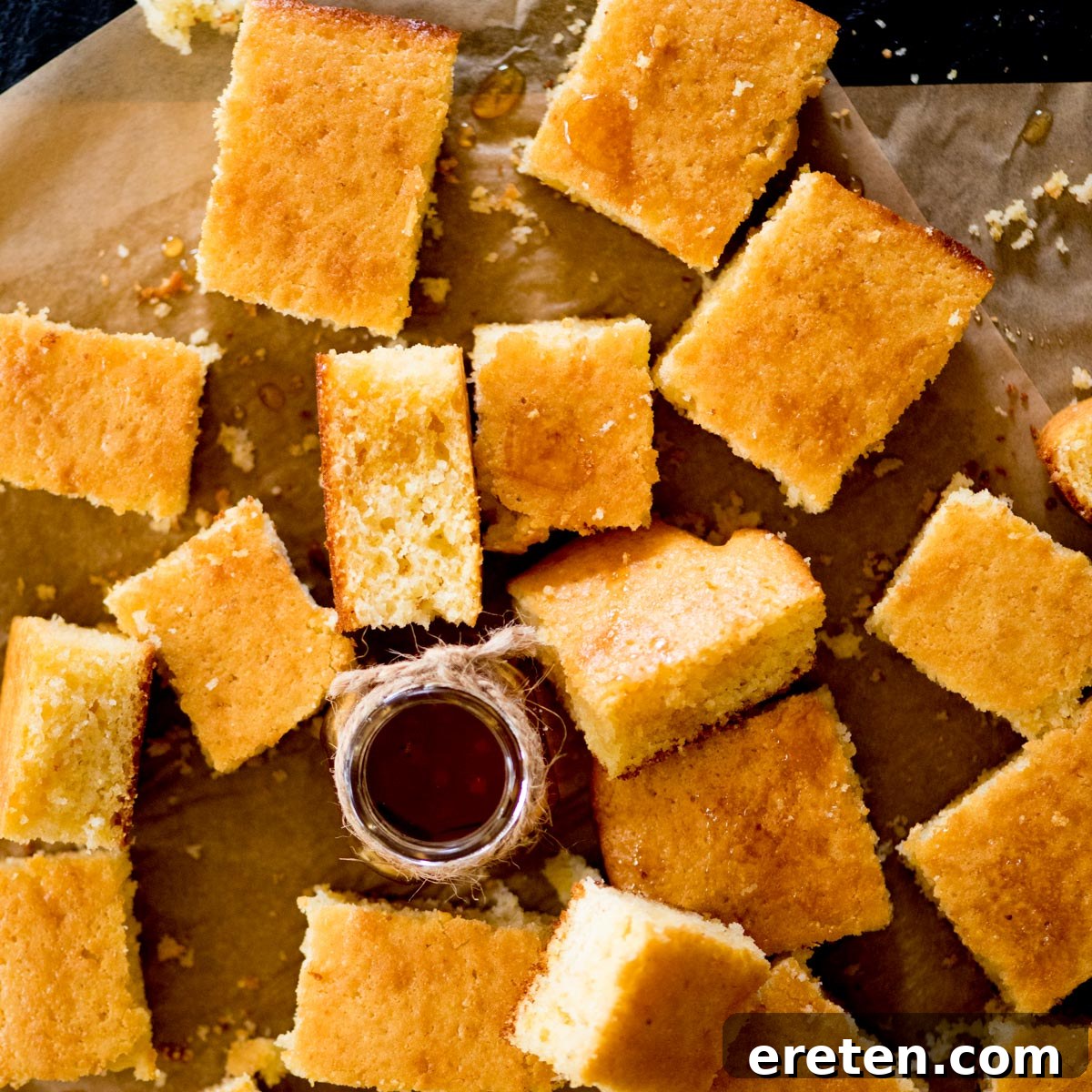
Easy Homemade Cornbread Recipe Without Buttermilk: Moist, Sweet & Savory
Discover how to bake the perfect batch of easy cornbread without buttermilk! This recipe is a game-changer, delivering a remarkably moist, tender, and utterly delicious cornbread with minimal effort and simple ingredients you likely already have in your pantry. It strikes a delightful balance between sweet and savory, making it versatile enough to accompany any meal or be enjoyed as a standalone treat. Whether you’re a seasoned baker or just starting your culinary journey, this foolproof guide ensures golden-brown perfection every single time.
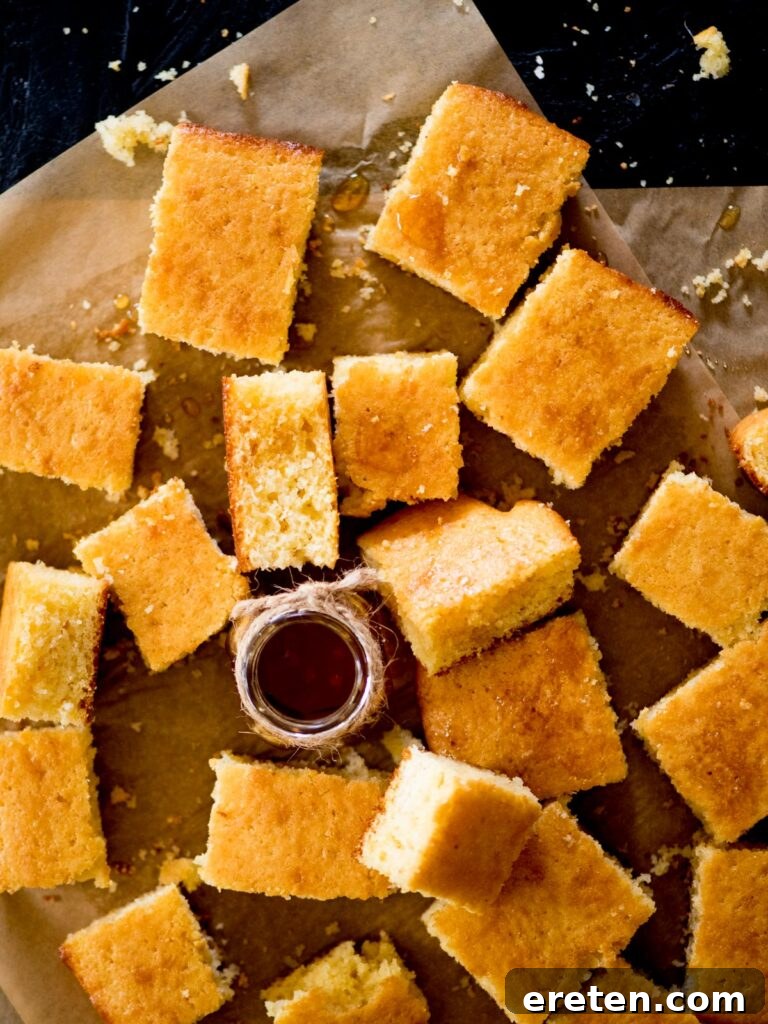
The Best Homemade Cornbread Recipe Without Buttermilk
Forget the myth that exceptional cornbread requires buttermilk! This recipe challenges that notion by producing a rich, golden, and incredibly moist cornbread using everyday milk. It’s a revelation for those who don’t keep buttermilk on hand, or simply prefer a less tangy flavor profile. You’ll be amazed at how easily you can achieve that sought-after tender crumb and slightly crispy edge that defines truly great cornbread.
Our goal is to simplify your baking while maximizing flavor. Instead of relying on store-bought mixes that often fall short in taste and texture, this homemade cornbread recipe allows you to whip up a batch from scratch in roughly the same amount of time. It’s incredibly adaptable, perfect for baking in a traditional pan, a rustic cast iron skillet, or even individual muffin tins. The convenience of using basic ingredients means no last-minute grocery runs, just pure baking enjoyment and a delicious outcome that will impress everyone at your table.
This simple cornbread recipe is designed to be accessible and straightforward, even for novice bakers. By following our clear instructions, you’ll gain confidence in your baking skills and consistently produce a moist cornbread that pairs beautifully with a wide array of comfort foods, from robust chilis to hearty stews. Get ready to delight your taste buds with this unforgettable, easy-to-make cornbread!
What You’ll Need for This Simple Cornbread Recipe
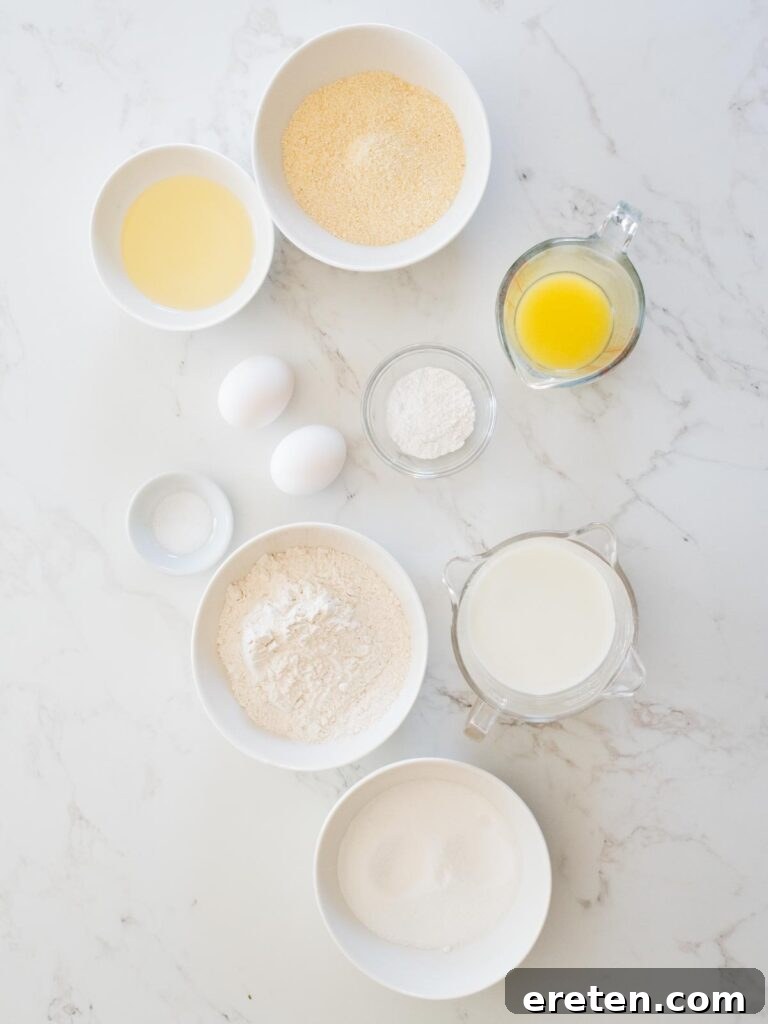
Creating the perfect, moist cornbread starts with understanding the role each ingredient plays. This recipe uses common, easy-to-find items, ensuring a hassle-free baking experience. Here’s a detailed look at the components that make this cornbread truly special:
Key Dry Ingredients: Building the Foundation
- All-Purpose Flour: Essential for providing structure and contributing to the cornbread’s light and fluffy texture. Its versatility makes it a pantry staple, and it helps ensure your cornbread doesn’t become too dense. While substitutions are possible (see FAQs), all-purpose flour offers the most reliable results for this recipe.
- Yellow Cornmeal: The heart of any good cornbread, yellow cornmeal imparts a rich, authentic corn flavor and a beautiful golden color. We highly recommend yellow cornmeal for its robust taste; white cornmeal has a milder flavor and will result in a less pronounced corn presence in your final product.
- Granulated Sugar: This ingredient is crucial for achieving the perfect balance of sweet and savory in our cornbread. The amount used gives it a tender crumb and makes it palatable for both savory meal pairings and sweet toppings. We advise against using brown sugar, as its molasses content can alter the texture and moisture significantly.
- Baking Powder: Our primary leavening agent, responsible for the cornbread’s rise and airy texture. It’s preferred over baking soda in recipes without buttermilk because it provides lift without needing an acidic activator. Always ensure your baking powder is fresh and not expired for the best possible rise and fluffiness.
- Kosher Salt: A fundamental flavor enhancer that brings out the natural sweetness of the cornmeal and balances the other ingredients. Kosher salt has a larger crystal size and measures differently than fine table salt; using the specified amount helps prevent over-salting while delivering optimal flavor.
Essential Wet Ingredients: For Ultimate Moisture and Richness
- Unsalted Butter: Melted unsalted butter adds luxurious richness and incredible moisture. Using unsalted butter allows you to precisely control the salt content in the recipe. If you only have salted butter, you can use it but consider slightly reducing the amount of added kosher salt.
- Milk (Whole or 2%): This recipe beautifully demonstrates that buttermilk isn’t a necessity. Both whole milk and 2% milk work wonderfully, providing the necessary liquid and contributing to a tender, moist interior.
- Vegetable Oil (or Canola/Avocado Oil): Incorporating oil alongside butter ensures maximum moisture and a remarkably tender crumb. Vegetable oil is neutral in flavor, allowing the corn to shine. Canola oil and avocado oil are excellent, health-conscious alternatives that perform similarly.
- Large Eggs: Eggs serve multiple critical functions: they act as a binder, provide additional moisture and fat, and contribute to the cornbread’s structure and golden color. Sticking to large or extra-large eggs ensures consistent results with the recipe’s liquid-to-dry ingredient ratio.
Yellow vs. White Cornmeal: A Taste Preference
As cornbread’s defining ingredient, the type of cornmeal significantly influences its overall character. For this sweet cornbread recipe, we highly recommend yellow cornmeal. It boasts a more pronounced, earthy corn flavor and lends a vibrant golden hue that is visually appealing and aligns with many people’s idea of classic cornbread.
White cornmeal, while an option, typically has a milder flavor profile, sometimes described as less distinctive. If you prefer a very subtle corn taste, white cornmeal might be suitable, but for that rich, satisfying cornbread experience, yellow cornmeal is superior.
How to Make Delicious Cornbread Without Buttermilk
Baking this moist cornbread without buttermilk is a straightforward process that yields impressive results. Follow these easy steps to create a perfect loaf with a golden crust and tender interior. For precise measurements and a printable version, please refer to the recipe card at the bottom of this page.
- Prepare Your Oven: Begin by preheating your oven to 350°F (175°C). Proper oven temperature is vital for even baking and activating the leavening agents.
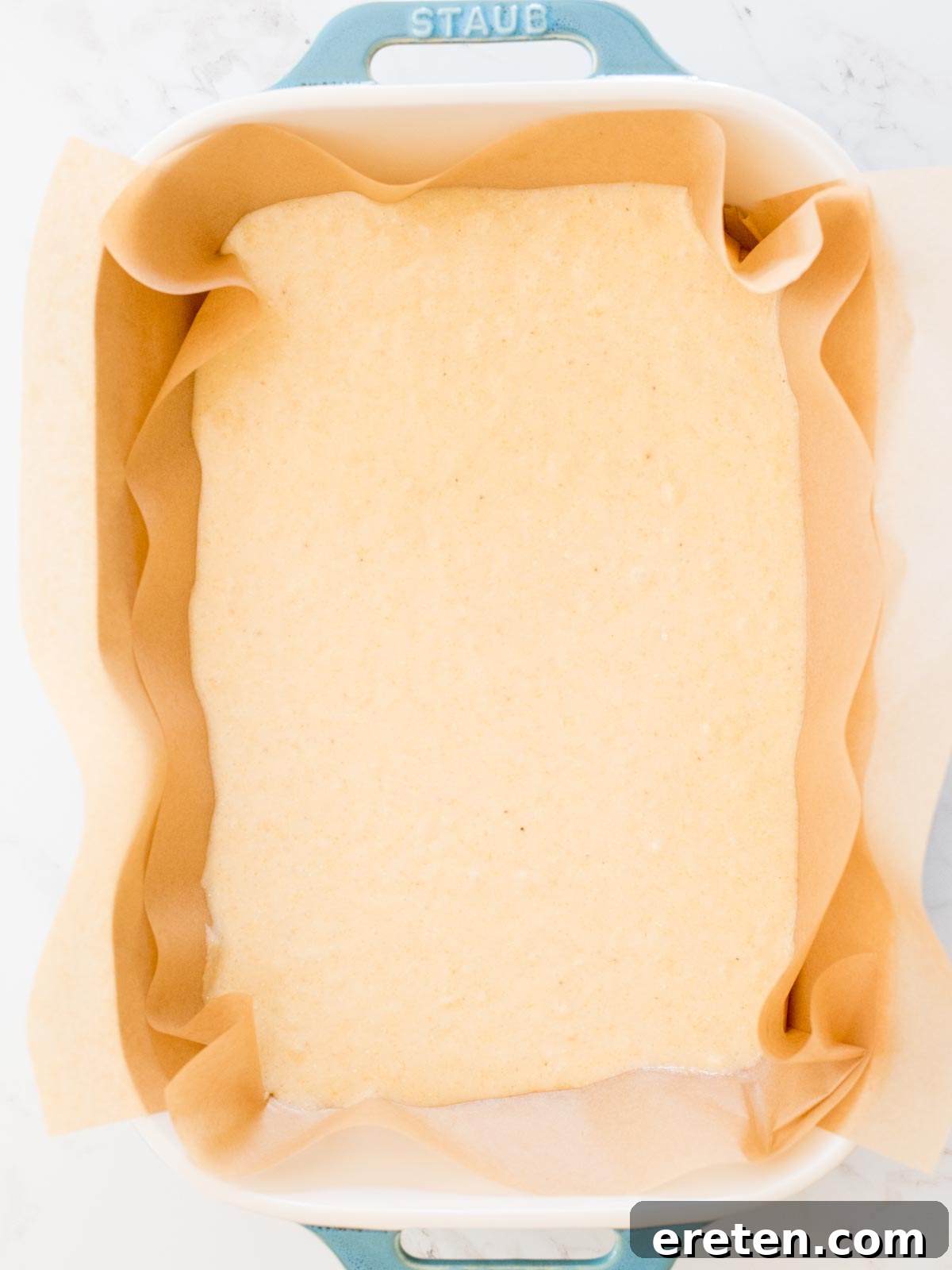
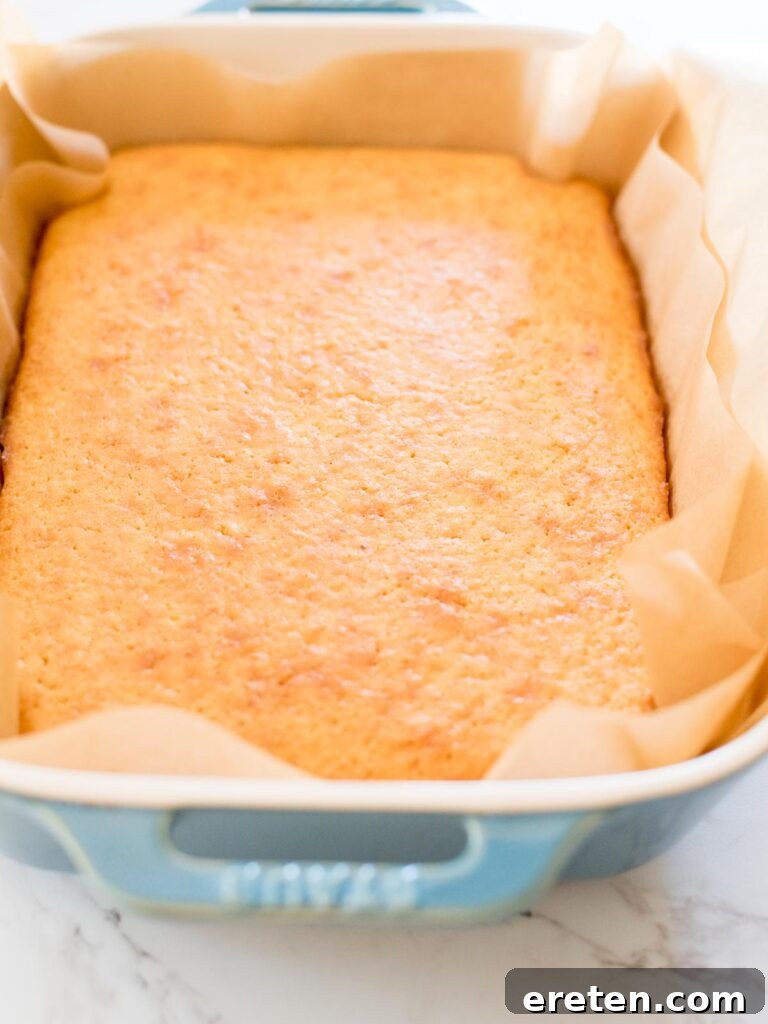
- Line Baking Dish: Prepare a 9×13 inch baking dish by lining it with parchment paper. Leave an overhang on the longer sides; this will act as “handles” to easily lift the baked cornbread out of the pan for neat slicing and serving.
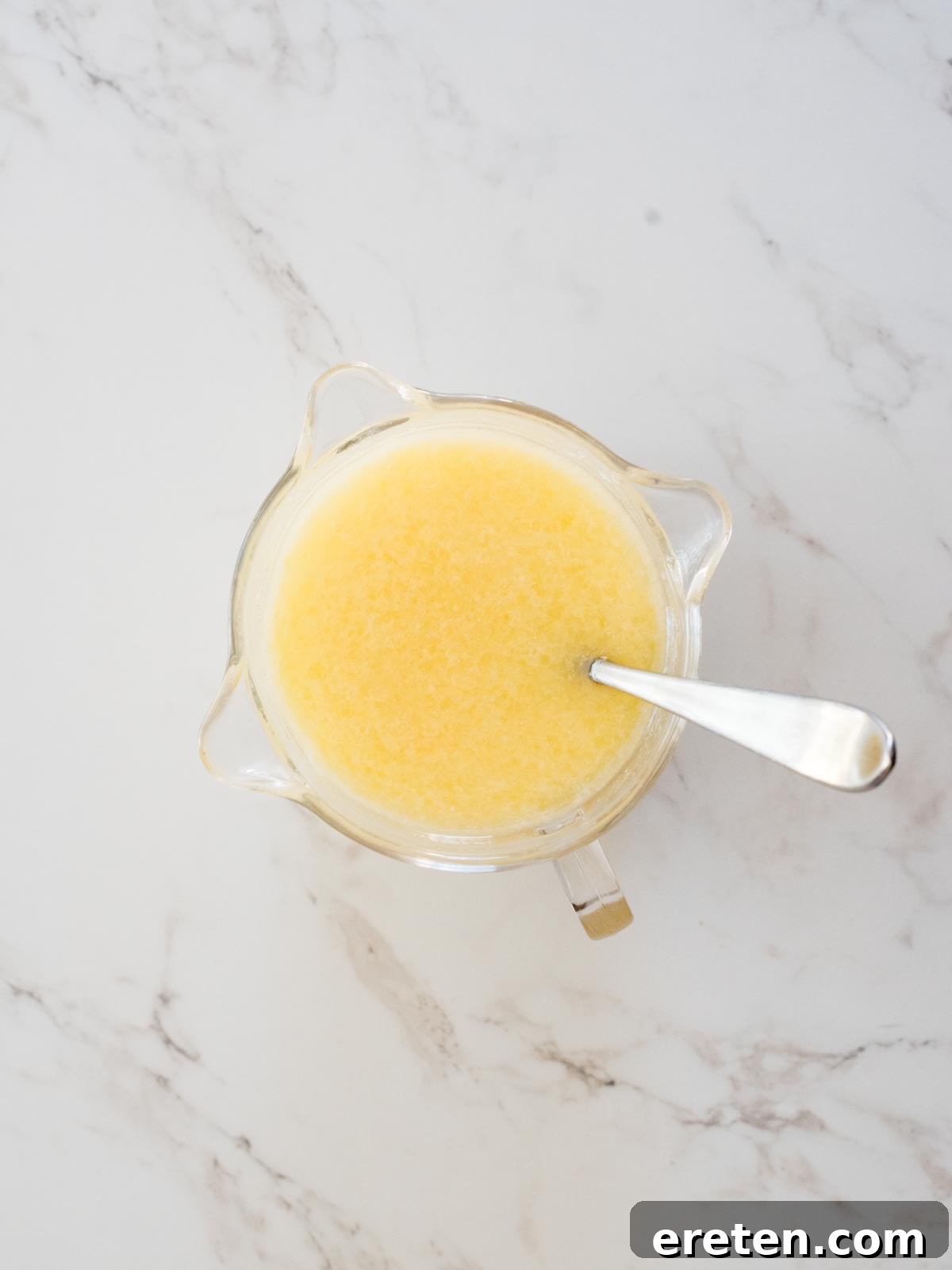
- Melt and Cool Butter: In a microwave-safe bowl or small saucepan, melt the unsalted butter. Set it aside to cool slightly. It’s important that the butter isn’t too hot when combined with the eggs, as it could scramble them.
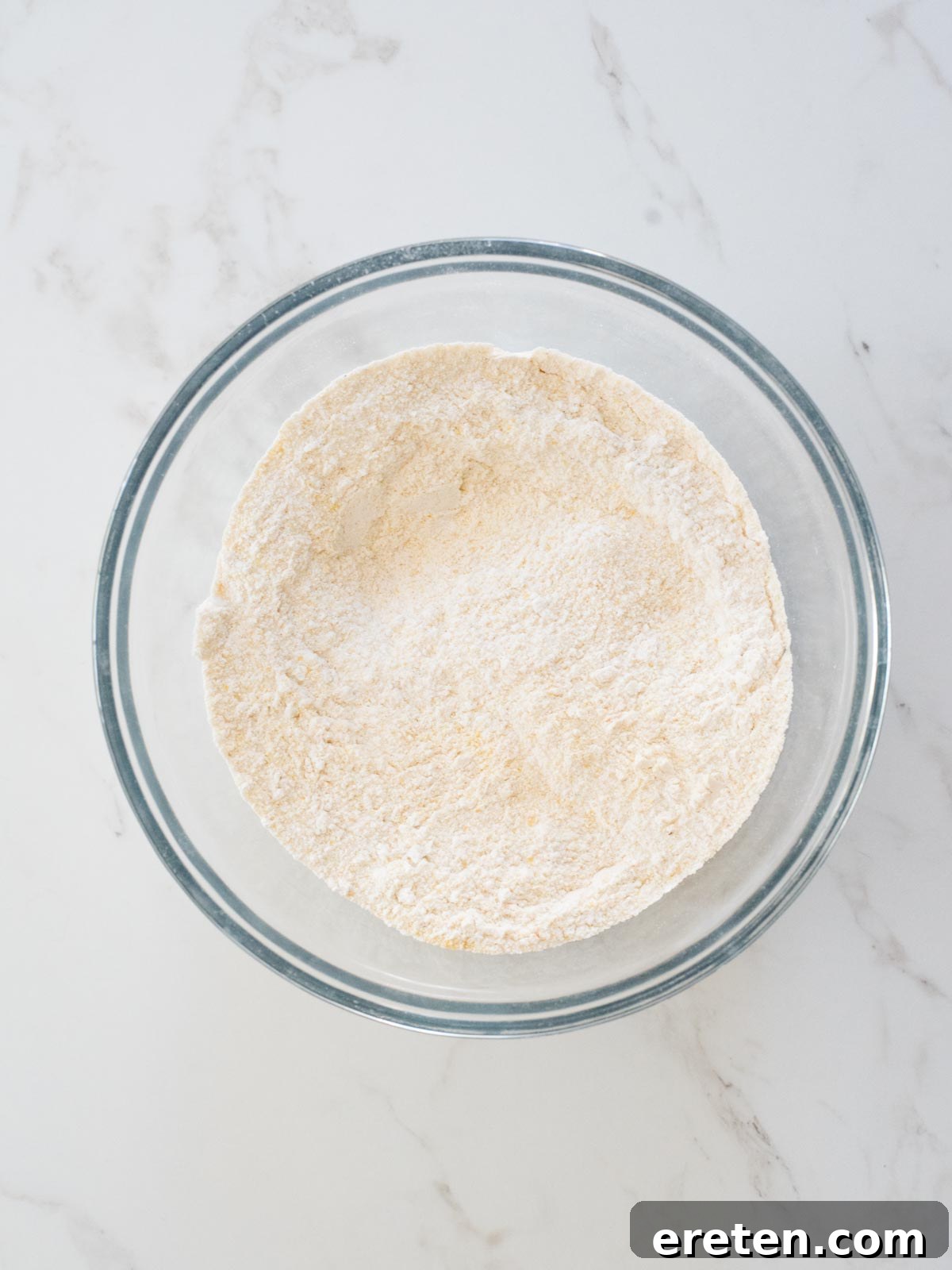
- Combine Dry Ingredients: In a large mixing bowl, whisk together the all-purpose flour, yellow cornmeal, granulated sugar, baking powder, and kosher salt. Whisking ensures these ingredients are thoroughly combined and evenly distributed, which is key for consistent texture and rise.
- Combine Wet Ingredients: In a separate medium-sized bowl, add the cooled melted butter, milk, vegetable oil, and large eggs. Whisk these ingredients together until they are well blended and homogenous.
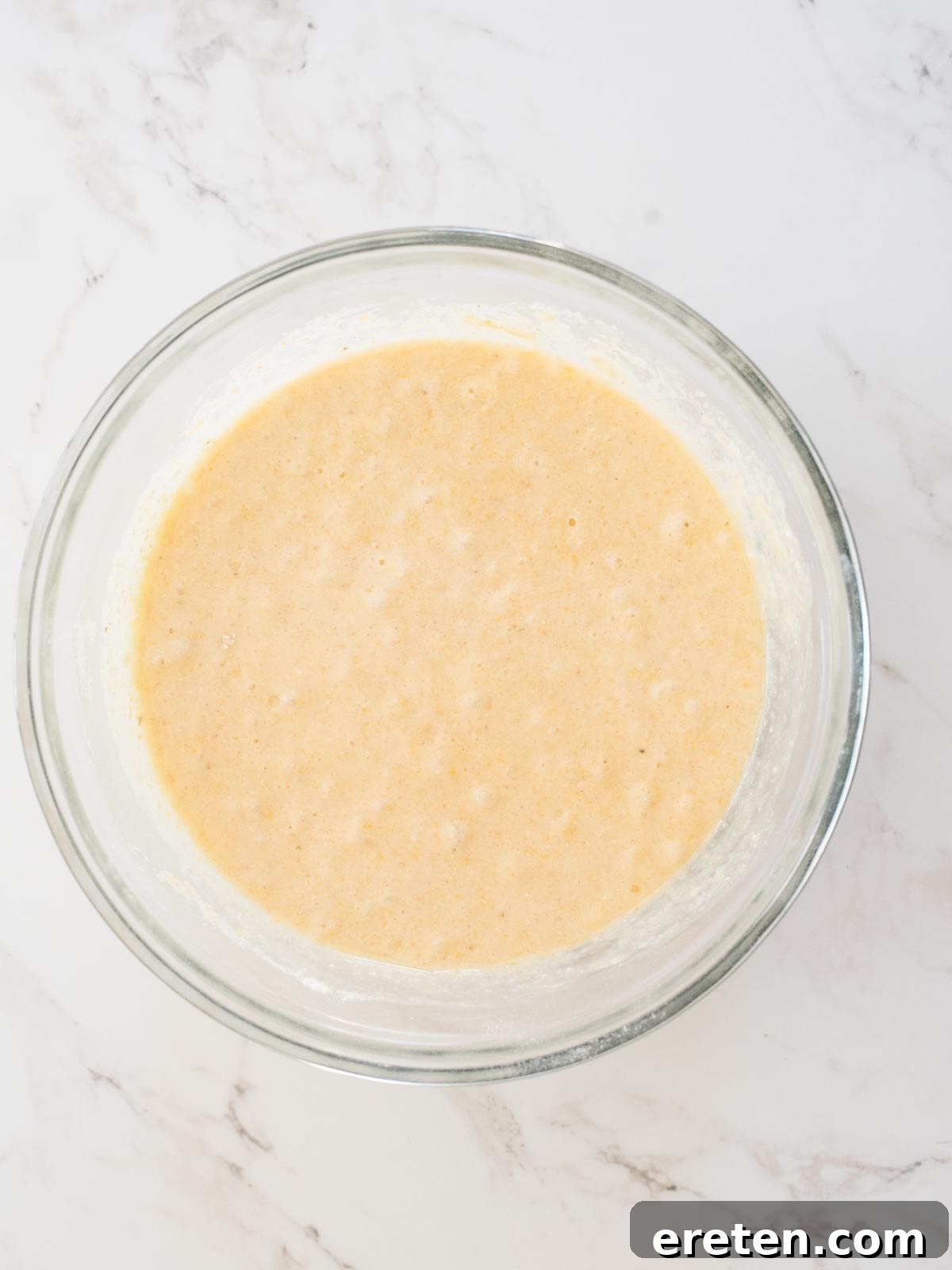
- Mix Batter Gently: Pour the wet ingredients into the large bowl containing the dry ingredients. Using a spoon or spatula, mix gently until just combined. Be careful not to overmix; overmixing can develop the gluten in the flour too much, leading to a tough, dense cornbread. A few small lumps are perfectly acceptable and often indicate you haven’t overmixed.
- Pour into Prepared Pan: Carefully pour the cornbread batter from the large bowl into your parchment-lined 9×13 inch baking dish. Spread the batter evenly with your spatula.
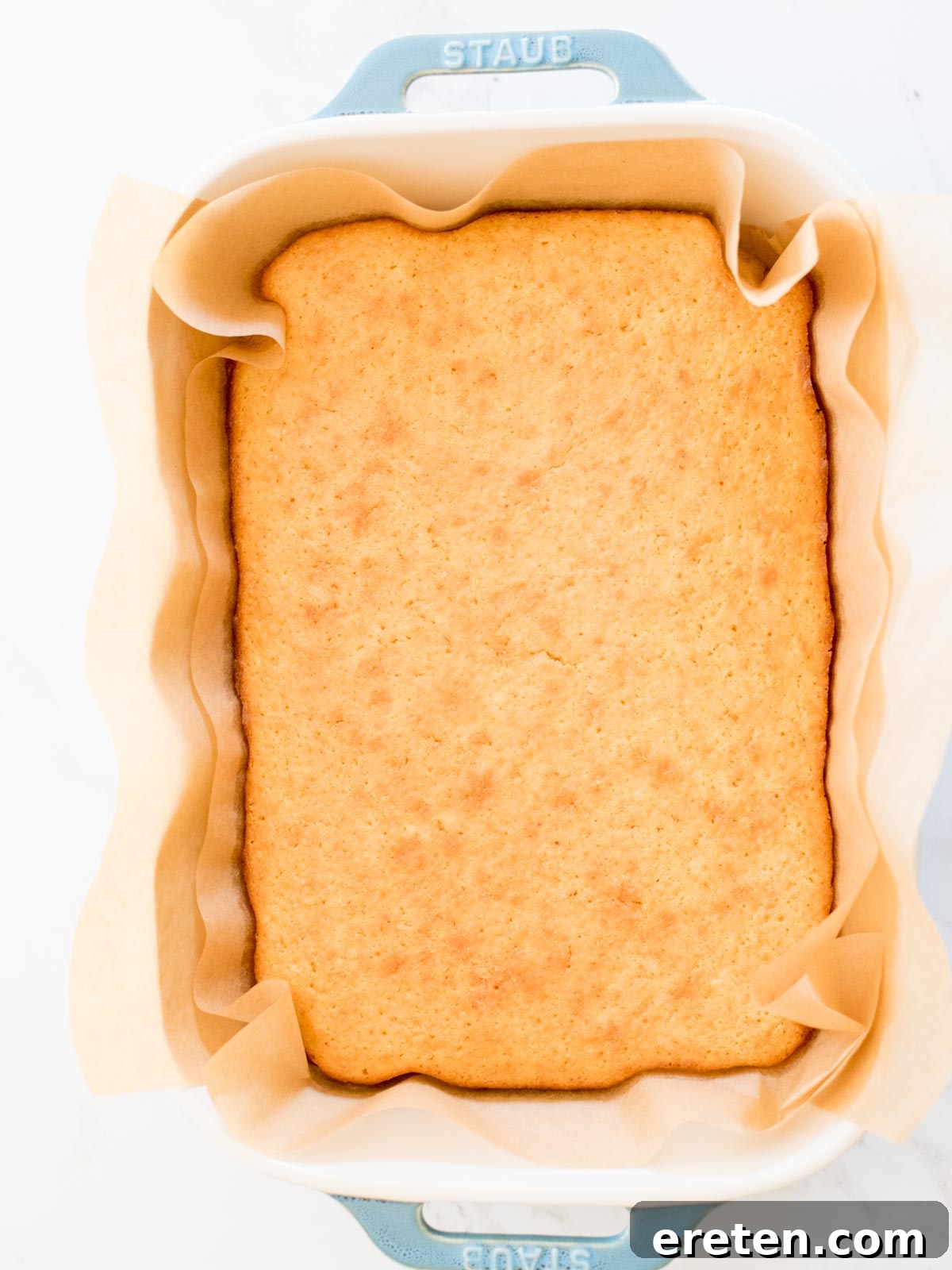
- Bake Until Golden: Place the baking dish in the preheated oven and bake for 35-40 minutes. The cornbread is done when the top is golden brown and a wooden toothpick inserted into the center comes out clean. You’re aiming for deliciously crispy edges and a moist, tender interior.
- Cool and Serve: Once baked, remove the cornbread from the oven and allow it to cool in the pan for about 5 minutes. Then, using the parchment paper overhang, gently lift the entire cornbread onto a cutting board. Slice into squares or wedges and serve warm. Enjoy!
Delicious Cornbread Recipe Variations
One of the joys of this basic cornbread recipe is its incredible versatility. It provides a perfect base for experimenting with various flavors and textures, allowing you to customize it to your preference, whether you crave something sweeter, spicier, or more savory. Here are some fantastic ideas to elevate your homemade cornbread:
- Boost the Savory Notes: For a deeper, more robust savory flavor, try substituting 1-2 tablespoons of the unsalted butter with rich bacon grease or drippings. Be mindful of the salt content when doing this, as bacon grease can add extra salinity. This creates a truly southern-style cornbread experience.
- Add Some Cheese: Stir in a cup of shredded cheddar cheese, Monterey Jack, or a Mexican blend into the batter before baking for a wonderfully cheesy and moist cornbread. The cheese melts into gooey pockets, adding a fantastic dimension of flavor.
- Spice It Up with Jalapeños: If you enjoy a kick, fold in ½ cup of finely diced fresh or pickled jalapeños. For less heat, remove the seeds and membranes before dicing. Pair this with cheese for a classic jalapeño cheddar cornbread!
- Creamy Texture with Sour Cream: Incorporate ½ cup of sour cream into the wet ingredients. This addition will make the cornbread even more tender, moist, and add a subtle tanginess, further enhancing the flavor profile.
- Introduce Fresh Corn or Bacon: For added texture and flavor, mix in 1 cup of fresh or frozen (and thawed) corn kernels, or ½ cup of crumbled cooked bacon bits. These additions provide delightful bursts of flavor and texture in every bite.
Making Cornbread in a Cast Iron Skillet
Baking cornbread in a cast iron skillet is a time-honored tradition, especially in the South, known for producing a gloriously crispy crust. For this recipe, a 9-inch cast-iron skillet works perfectly. Here’s how to adapt your method for a sensational cast iron skillet cornbread:
- Preheat your oven to a slightly higher temperature of 375°F (190°C).
- While the oven is preheating, place your empty cast-iron skillet inside the oven. This ensures the skillet gets thoroughly hot, which is crucial for achieving that characteristic crispy bottom crust.
- Once the oven is preheated, carefully remove the hot skillet using oven mitts. Add about 1-2 tablespoons of butter (or bacon grease for extra flavor) to the hot skillet, allowing it to melt and thoroughly coat the bottom and sides. The butter will sizzle as it melts.
- Immediately pour the prepared cornbread batter into the hot, buttered skillet.
- Return the skillet to the preheated oven and bake for approximately 20-25 minutes, or until a toothpick inserted into the center comes out clean and the edges are beautifully golden and crisp.
How to Make Cornbread Muffins
If you prefer individual portions with even more crispy edges, transforming this traditional cornbread recipe into cornbread muffins is a fantastic idea. They’re perfect for grab-and-go snacks or serving alongside a bowl of chili.
- Prepare your muffin tin by greasing the wells or lining them with paper muffin liners.
- Divide the cornbread batter evenly among the muffin cups, filling each about two-thirds full. This allows room for them to rise without overflowing.
- Place the muffin tin in a preheated 350°F (175°C) oven and bake for 20-25 minutes.
- The muffins are done when their tops are golden brown and a toothpick inserted into the center of a muffin comes out clean. Allow them to cool slightly before removing from the tin.
Perfect Pairings: What to Serve with No Buttermilk Cornbread
Cornbread is a quintessential side dish that truly shines when paired with hearty, comforting meals. Its slightly sweet and savory profile, combined with its ability to soak up sauces and gravies, makes it an ideal companion for a wide variety of dishes. Here are some of our favorite pairings for this no buttermilk cornbread:
- Beef Stew: The rich, savory broth of a slow-cooked beef stew is perfectly complemented by the tender crumb of cornbread.
- White Chicken Chili: A creamy, flavorful white chicken chili finds its ideal partner in a warm slice of cornbread, offering a delightful contrast in textures.
- Pumpkin Chili: The unique flavors of pumpkin chili are wonderfully enhanced by the subtle sweetness of this cornbread.
- Crockpot Chicken Chili: Easy to make and even easier to serve with a side of homemade cornbread for a complete, satisfying meal.
- Slow Cooker Taco Soup: The spicy and robust flavors of taco soup are beautifully balanced by the mild, comforting taste of cornbread.
- Crockpot Mexican Chili: Another excellent choice where the cornbread acts as a perfect vehicle for soaking up all the delicious, spiced broth.
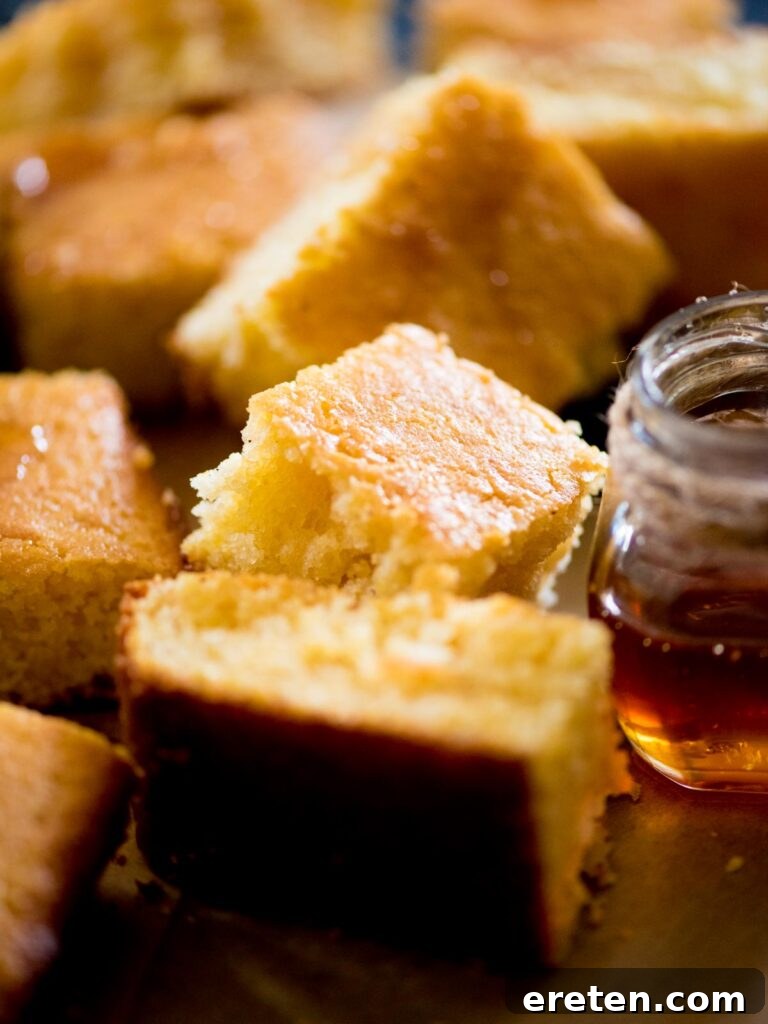
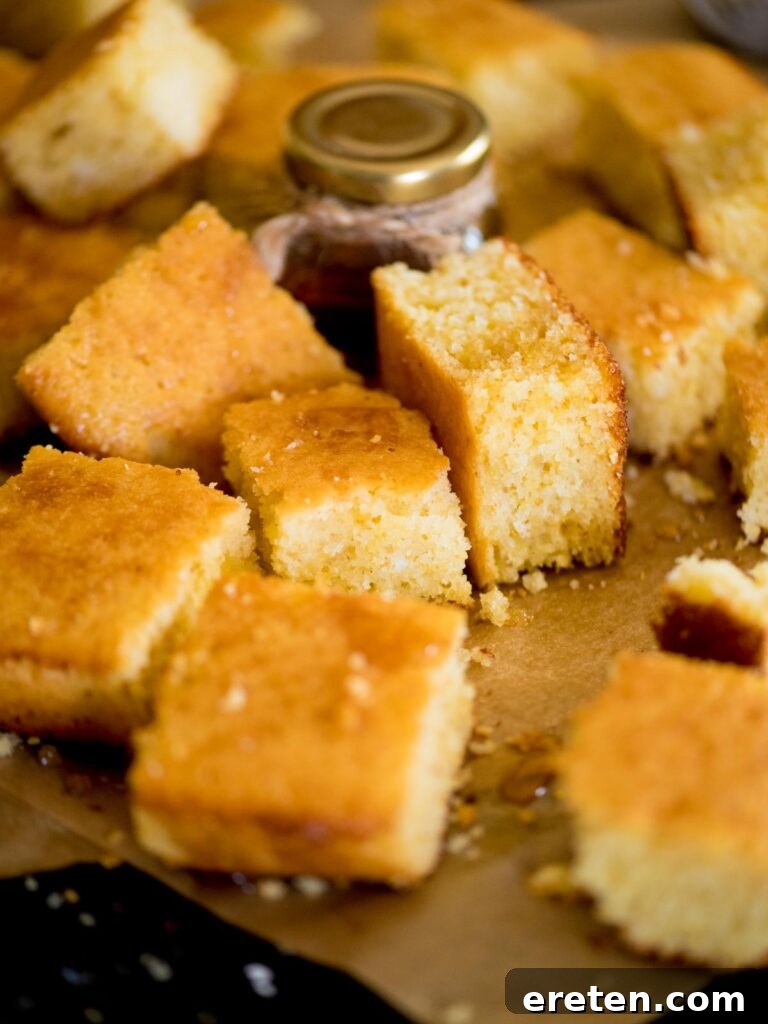
Beyond main dishes, this sweet cornbread is also incredibly delicious on its own. Enjoy a warm slice with a simple drizzle of golden honey, or elevate it further with a generous spread of cinnamon butter for an irresistible treat.
Storing and Freezing Leftover Cornbread
Proper storage is essential to maintain the freshness and moistness of your homemade cornbread. Whether you plan to enjoy it within a few days or save it for a future meal, here’s how to handle your leftovers effectively.
How to Store Leftover Cornbread
Once your cornbread has cooled completely to room temperature, transfer it to an airtight container or wrap it tightly in plastic wrap. This barrier is key to preventing it from drying out.
- Room Temperature: For immediate enjoyment, cornbread can be stored at room temperature for 1-2 days. Ensure it’s kept in a cool, dry place away from direct sunlight.
- Refrigerator: To extend its shelf life, store leftover cornbread in an airtight container in the refrigerator for up to 5 days. While refrigeration helps preserve it longer, you might notice a slight amount of condensation inside the container.
Don’t let leftover cornbread go to waste! It’s an excellent ingredient for culinary repurposing. Consider using stale cornbread in savory applications like Thanksgiving stuffing or dressing, where its unique texture and flavor can add a wonderful depth to your holiday dishes.
Can You Freeze Cornbread?
Yes, cornbread freezes beautifully, making it an ideal candidate for meal prep or simply having a quick side dish available whenever cravings strike. When properly stored, frozen cornbread can maintain its quality for up to 3 months in the freezer.
- Preparation for Freezing: Allow the cornbread to cool completely after baking. For convenience, it’s best to slice it into individual servings or manageable portions before freezing.
- Proper Packaging: Wrap each slice or portion tightly in plastic wrap, then place the wrapped pieces in a freezer-safe airtight container or a heavy-duty freezer bag. This double layer of protection helps prevent freezer burn and preserves its flavor and texture.
- Thawing: To thaw frozen cornbread, simply transfer it from the freezer to the refrigerator and let it sit overnight. For a quicker thaw and warm serving, individual slices can be gently reheated in the microwave or a preheated oven until warmed through and soft.
Essential Kitchen Tools for Baking Perfect Cornbread
While this easy cornbread recipe requires minimal fuss, having the right kitchen tools can make the baking process even more efficient and enjoyable. Here’s a list of basic essentials that will help you achieve perfect results every time:
- Measuring Cups: Accurate measurement of dry ingredients like flour and cornmeal is crucial for the right texture.
- Measuring Spoons: Essential for precise amounts of baking powder and salt, which greatly impact the rise and flavor.
- Mixing Bowls: You’ll need at least two—one large for dry ingredients and a medium one for wet—to combine elements separately before mixing them together.
- 9×13 Inch Baking Dish: This size is recommended for the recipe to ensure even baking and the ideal thickness for your cornbread.
- Whisk: Perfect for aerating dry ingredients and thoroughly combining wet ingredients without overmixing.
- Parchment Paper: A baker’s best friend for preventing sticking and making cleanup a breeze.
- Rubber Spatula: Ideal for gently folding ingredients and scraping down the sides of bowls.
Cornbread Recipe (No Buttermilk) FAQs
Have more questions about baking the perfect batch of homemade cornbread? Here are answers to some of the most frequently asked questions to help you troubleshoot common issues and perfect your technique.
Is buttermilk truly necessary for cornbread?
No, buttermilk is not an absolute requirement for making delicious cornbread. While it traditionally adds a distinct tang and tenderizes the crumb, this recipe proves you can achieve a wonderfully moist, flavorful, and perfectly risen cornbread using regular milk and baking powder. This combination effectively replaces buttermilk’s leavening and tenderizing properties.
Why is my cornbread crumbly?
Crumbly cornbread often stems from an improper balance of ingredients or insufficient moisture. Common culprits include using too much cornmeal relative to the flour, which prevents enough gluten development for cohesion, or not enough fat (butter, oil, eggs) in the recipe. Accurate measurement is key. While cornbread should have a tender crumb, it should never be dry or fall apart excessively. Ensure your measuring cups are level and your fats are incorporated correctly.
Can I make southern-style cornbread gluten-free?
Absolutely! Adapting this traditional cornbread recipe for a gluten-free diet is quite simple. The only modification needed is to swap out the all-purpose flour for a good quality gluten-free flour blend. Most commercial gluten-free flour blends are designed to be a 1:1 substitute for all-purpose flour, but it’s always wise to check the specific brand’s recommendations for precise usage.
Why is my cornbread dense?
Dense cornbread can be frustrating, but several factors can contribute to it:
- Overmixing the Batter: The most common cause. Mixing too much develops the gluten in the flour, leading to a tough, heavy texture. Mix just until the wet and dry ingredients are combined.
- Stale Baking Powder: Old or expired baking powder loses its leavening power, resulting in a flat, dense bake. Always use fresh baking powder.
- Incorrect Flour to Cornmeal Ratio: Too much cornmeal can make the cornbread heavier, while sufficient flour is needed for a lighter, more tender crumb. Adhere to the recipe’s specified proportions.
- Oven Temperature Issues: An oven that’s too cool won’t activate the leavening quickly enough, contributing to a dense texture.
Why is my cornbread flat?
A flat cornbread usually points to an issue with your leavening agent. The baking powder is responsible for creating air bubbles that help the cornbread rise during baking, resulting in a fluffy texture. If your baking powder is old, expired, or hasn’t been stored properly (e.g., exposed to moisture), it won’t be as effective, leading to a flat and unrisen cornbread. Always check its freshness!
Why is my cornbread dry?
Dry cornbread is another common problem with several potential causes:
- Overbaking: Baking the cornbread for too long is the quickest way to dry it out. Always remove it from the oven as soon as the toothpick test comes out clean.
- Insufficient Liquid or Fat: Not enough milk, oil, or butter can lead to a dry texture. Ensure you measure accurately.
- Too Much Cornmeal/Not Enough Flour: An imbalance in the dry ingredients can result in a more absorbent batter that dries out quickly.
- Overmixing: Paradoxically, overmixing can lead to both dense and dry cornbread by over-developing gluten.
What kind of baking dish should I use?
The type of pan you use can indeed impact your cornbread’s texture. For this recipe, a 9×13-inch baking pan is highly recommended for an optimal thickness and even bake. An 8×8-inch baking dish can also be used, but you might need two to accommodate all the batter, or a single loaf will be much thicker and require a longer baking time. Ceramic, stoneware, and glass baking dishes are excellent choices for consistent results and a tender crust. Metal pans tend to yield a crispier exterior. If you plan to use a cast-iron pan, refer to the specific instructions in our “Variations” section, as it requires a different approach to preheating and baking.
What keeps cornbread from falling apart?
The integrity of your cornbread, preventing it from falling apart, is largely due to the binding action of eggs and the proper ratio of liquid and fat. Eggs, particularly the yolks, act as an emulsifier and binder, helping to hold the batter together as it bakes. A balanced amount of milk, butter, and oil contributes to a moist, cohesive crumb that is tender without being crumbly or fragile. Think of it like any other cake or bread – the right balance of ingredients creates structural stability.
Do you have to use milk for cornbread?
Yes, milk is a critical liquid component in this recipe, providing the necessary moisture and aiding in the batter’s consistency. If you don’t have regular milk, you can substitute it with other dairy products such as sour cream, evaporated milk, or even half-and-half. Be aware that these substitutions may slightly alter the final flavor and texture, but will still yield a delicious result.
Can I use wheat flour in this cornbread recipe?
While you can incorporate wheat flour into this recipe, it’s not advisable to completely replace the all-purpose flour with it. Wheat flour absorbs more liquid and can result in a denser, less moist cornbread with a distinctly different flavor profile. If you wish to use wheat flour, we recommend replacing no more than 50% of the all-purpose flour. Be prepared that you might need to slightly increase the liquid content, and the final texture and taste will differ from the original recipe.
Can I use baking soda instead of baking powder?
You can substitute baking soda for baking powder, but it requires careful adjustment because baking soda needs an acidic ingredient to activate. As a general guideline, use ⅓ teaspoon of baking soda for every 1 teaspoon of baking powder called for. Since this recipe does not include buttermilk (an acid), if you substitute, you would need to add a small amount of an acidic component, such as a teaspoon of white vinegar or lemon juice to the milk, to ensure proper leavening. Always ensure your baking soda is fresh for effective results.
How to Moisten Dry Cornbread
Even experienced bakers can sometimes end up with slightly dry cornbread. If your homemade cornbread turns out less moist than desired, don’t worry – it’s easy to revive! The simplest and most effective method is to gently warm the cornbread (if it has cooled) and then spread a generous pat of butter on top. The warmth will help the butter melt beautifully and absorb into the crumb, restoring its moisture and adding a delightful richness. For extra indulgence, you can also lightly brush warm cornbread with a bit of milk or even a simple sugar syrup before serving.
Southern vs. Northern Cornbread: Understanding the Differences
Cornbread, a cherished American staple, manifests in distinct ways across different regions. The primary distinction often lies between its Southern and Northern counterparts, reflecting cultural tastes and culinary traditions. Understanding these variations can deepen your appreciation for this versatile dish.
Southern Cornbread
Traditionally, Southern cornbread is characterized by its savory profile and denser, more crumbly texture. It typically contains little to no sugar, focusing instead on the earthy flavor of the cornmeal. Often baked in a well-seasoned cast-iron skillet, it develops a wonderfully crispy exterior crust. This style is frequently made primarily with cornmeal, sometimes with minimal or no wheat flour, making it a robust accompaniment to hearty, savory meals like chili, collard greens, or fried chicken.
Northern Cornbread
In contrast, Northern cornbread tends to be sweeter and possesses a lighter, fluffier, and more cake-like texture. It typically includes more sugar and a higher proportion of all-purpose flour alongside the cornmeal, contributing to its tender and moist crumb. Because of its sweetness and soft consistency, it is sometimes affectionately referred to as “corn cake” and can be enjoyed as a sweet treat, dessert, or a lighter side dish. Our recipe, with its balanced sweetness and moist texture, leans towards this delightful Northern style, making it widely appealing.
More Delicious Favorites from Sweetly Splendid
If you’ve enjoyed this easy cornbread recipe, you’ll love exploring other delectable dishes from Sweetly Splendid! We offer a variety of recipes designed to be simple, delicious, and perfect for any home cook. Discover your next favorite meal or dessert here:
- Recipe for Chicken Salad with Grapes
- Crock Pot Loaded Potato Soup
- General Tso’s Chicken
- Chicken Meal Ideas
- Recipes for Air Fryer
- Best Hard-Boiled Eggs
- Old Fashioned Beef Stew Recipe (Stove Top)
- Pasta with Ricotta Cheese
- Easy Banana Pudding Recipe with Condensed Milk
- Desserts to Make at Home
- Ranch Oyster Cracker Recipe
- Crispy Chicken Wings in Air Fryer
- Easy Chile Rellenos Casserole
- Freezer Meal Ideas
- Hamburger Vegetable Soup Recipe
Recipe Card: Easy Homemade Cornbread (No Buttermilk)
Easy Homemade Cornbread (No Buttermilk)
This Easy Cornbread Recipe without Buttermilk is incredibly moist, irresistibly delicious, and effortlessly simple to prepare using everyday ingredients. It delivers the perfect blend of sweet and savory flavors in every bite, making it an ideal side or a delightful treat.
Equipment
- 9×13 inch Baking Dish
- Measuring Spoons
- Measuring Cups
- Mixing Bowls (one large, one medium)
- Whisk
- Parchment Paper
Ingredients
- 1⅓ cup all-purpose flour
- ⅔ cup yellow cornmeal
- ⅔ cup granulated sugar
- 1 tablespoon baking powder
- ½ teaspoon kosher salt
- 4 tablespoons unsalted butter, melted and cooled
- 1¼ cup milk (whole or 2%)
- ¼ cup vegetable oil (or canola/avocado oil)
- 2 large eggs
Instructions
- Preheat the oven to 350°F (175°C).
- Line a 9×13 inch baking dish with parchment paper, leaving an overhang on the longer sides to use as handles for easy removal.
- Melt the unsalted butter and set it aside to cool slightly to room temperature.
- In a large mixing bowl, thoroughly whisk together the dry ingredients: all-purpose flour, yellow cornmeal, granulated sugar, baking powder, and kosher salt.
- In a separate medium bowl, whisk together the cooled melted butter, milk, vegetable oil, and large eggs until well combined.
- Pour the wet ingredients mixture into the dry ingredients bowl. Mix gently with a spoon or spatula until just combined. Be careful not to overmix; a few small lumps are perfectly fine.
- Pour the cornbread batter into the prepared baking dish, spreading it evenly.
- Bake for 35-40 minutes, or until the top is golden brown and a wooden toothpick inserted into the center comes out clean. The edges should appear slightly crispy.
- Allow the cornbread to cool in the pan for 5 minutes. Then, use the parchment paper overhang to carefully lift it onto a cutting board. Slice into squares and serve warm.
Video Guide
Watch this video to see how easily this delicious cornbread comes together:
Nutrition Information (Approximate)
Serving: 1 square (out of 12)
- Calories: 226 kcal
- Carbohydrates: 30g
- Protein: 4g
- Fat: 10g
- Saturated Fat: 4g
- Polyunsaturated Fat: 3g
- Monounsaturated Fat: 3g
- Trans Fat: 1g
- Cholesterol: 43mg
- Sodium: 228mg
- Potassium: 91mg
- Fiber: 1g
- Sugar: 13g
- Vitamin A: 187 IU
- Vitamin C: 1mg
- Calcium: 97mg
- Iron: 1mg
Nutrition information is automatically calculated and should be used as an approximation. Actual values may vary based on ingredients and preparation methods.
Additional Information
Course: Bread, Side Dish
Cuisine: American
Have questions or feedback? Leave a comment below!