
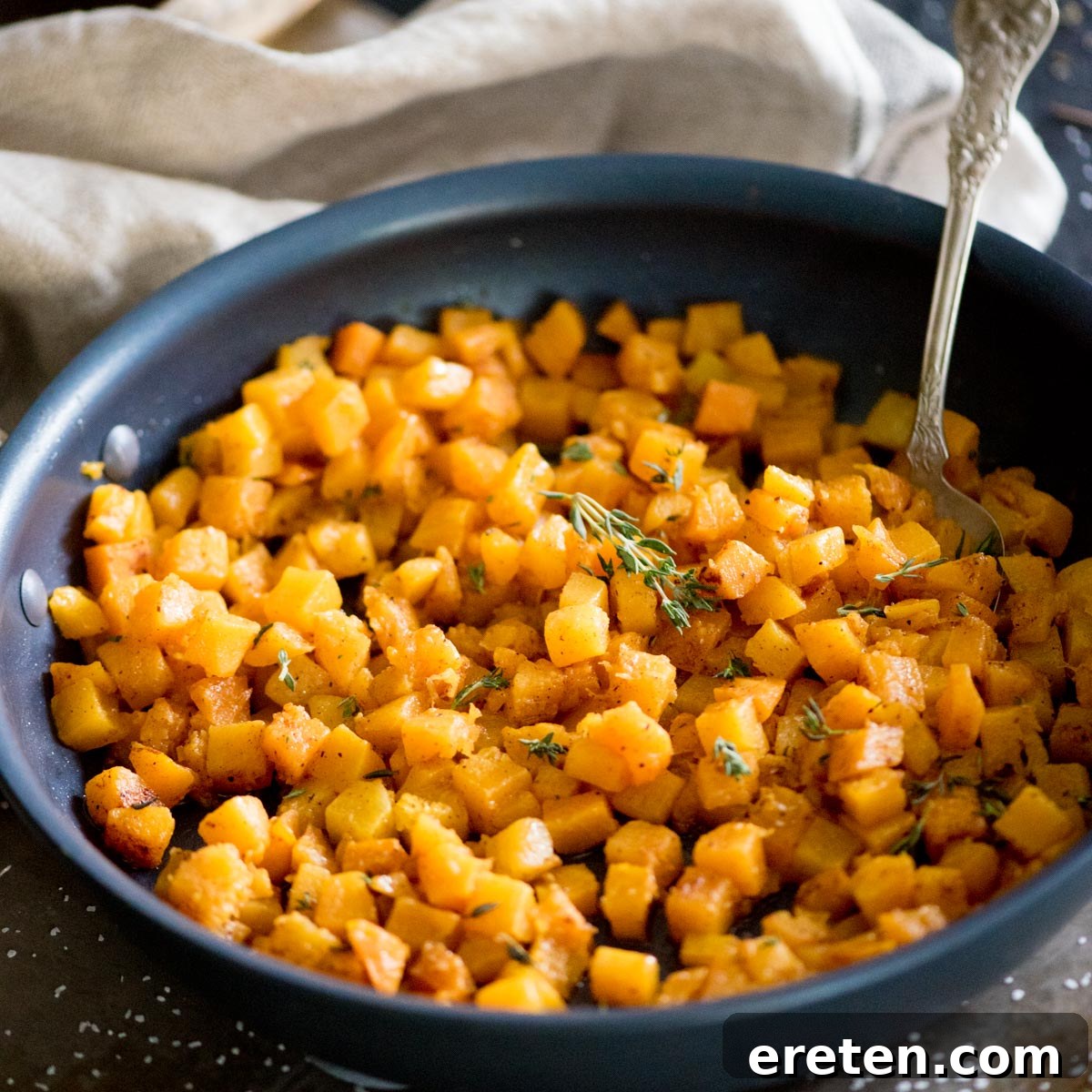
Unlock the secret to preparing butternut squash that delights everyone at your table, from discerning adults to the pickiest eaters. This perfected butternut squash recipe is designed for universal appeal, transforming a humble vegetable into a coveted side dish. Its versatility also extends to sweet potatoes, offering a delicious alternative. Say goodbye to stressful meal preparations and embrace this effortlessly simple yet incredibly flavorful butternut squash recipe that complements nearly any main course.
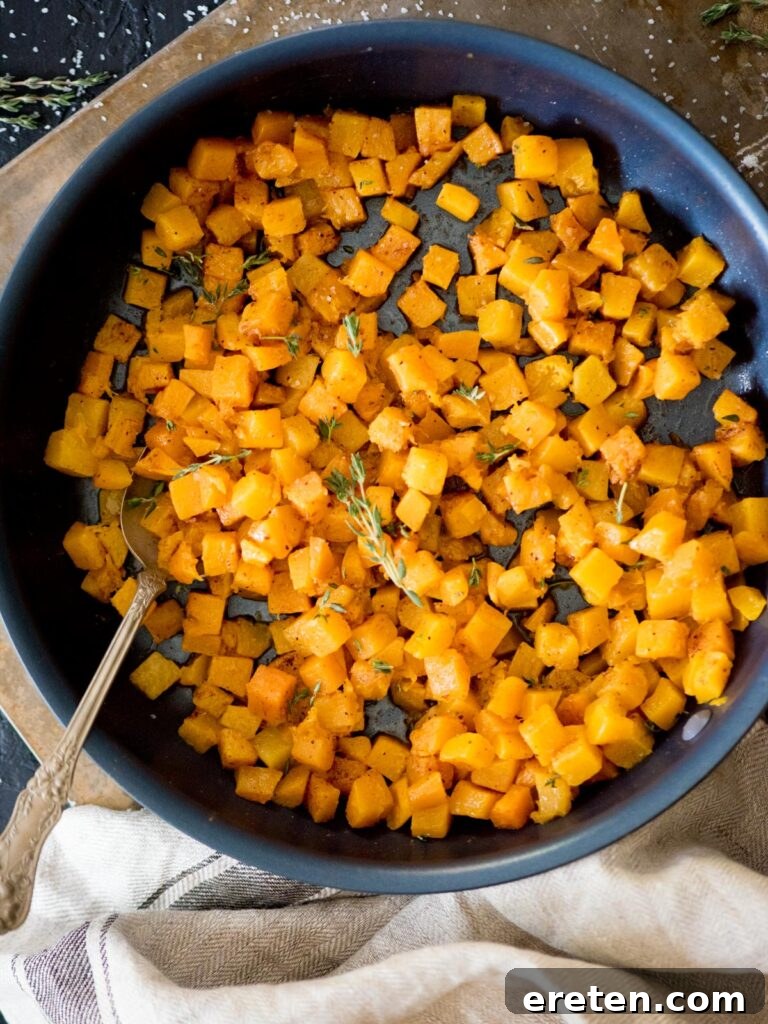
Mastering Easy & Delicious Butternut Squash Recipes
Butternut squash stands out as a wonderfully delicious and incredibly versatile vegetable, making it a staple for comforting fall and winter dishes. However, convincing younger family members to enjoy it can often feel like an uphill battle. But fret no more! I’ve successfully introduced butternut squash to my children, and now they regularly request it. This recipe is your ticket to transforming this nutritious gourd into a slightly sweet and savory side dish that will have your entire family exclaiming, “Oh. My. Gourd!”
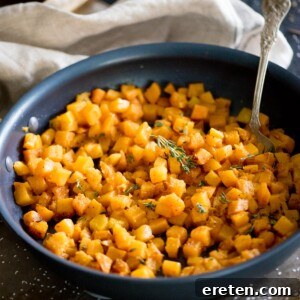
What truly sets this sautéed butternut squash recipe apart is its ingenious blend of simple yet aromatic herbs and spices. Fresh thyme, warm cinnamon, and subtle nutmeg combine to create a flavor profile that is both distinctive and incredibly inviting, elevating it beyond typical squash preparations. The cooking process is remarkably straightforward, requiring only a few steps: simply cube the butternut squash, then sauté it to perfection with butter and your chosen spices. The beauty lies in its simplicity; the methods are basic, but the resulting taste is absolutely sublime. Prepare for rave reviews, as your whole family, especially the kids, will be clamoring for second and third helpings!
Why Butternut Squash Should Be Your Go-To Side Dish
Butternut squash isn’t just a delicious addition to your meal; it’s also a nutritional powerhouse. Packed with essential vitamins and minerals, including a significant amount of Vitamin A, Vitamin C, magnesium, and potassium, it supports overall health and wellness. This makes it an ideal choice for a healthy, wholesome side dish that doesn’t compromise on flavor. Beyond its health benefits, butternut squash offers incredible versatility in the kitchen. It can be roasted, pureed into soups, added to stews, or, as in this recipe, simply sautéed for a quick and flavorful treat. Its natural sweetness, when balanced with savory elements, creates a harmonious taste that appeals to a wide range of palates. Plus, its vibrant orange hue adds a beautiful touch of color to any plate, especially during the colder months.
Essential Ingredients for Sautéed Butternut Squash
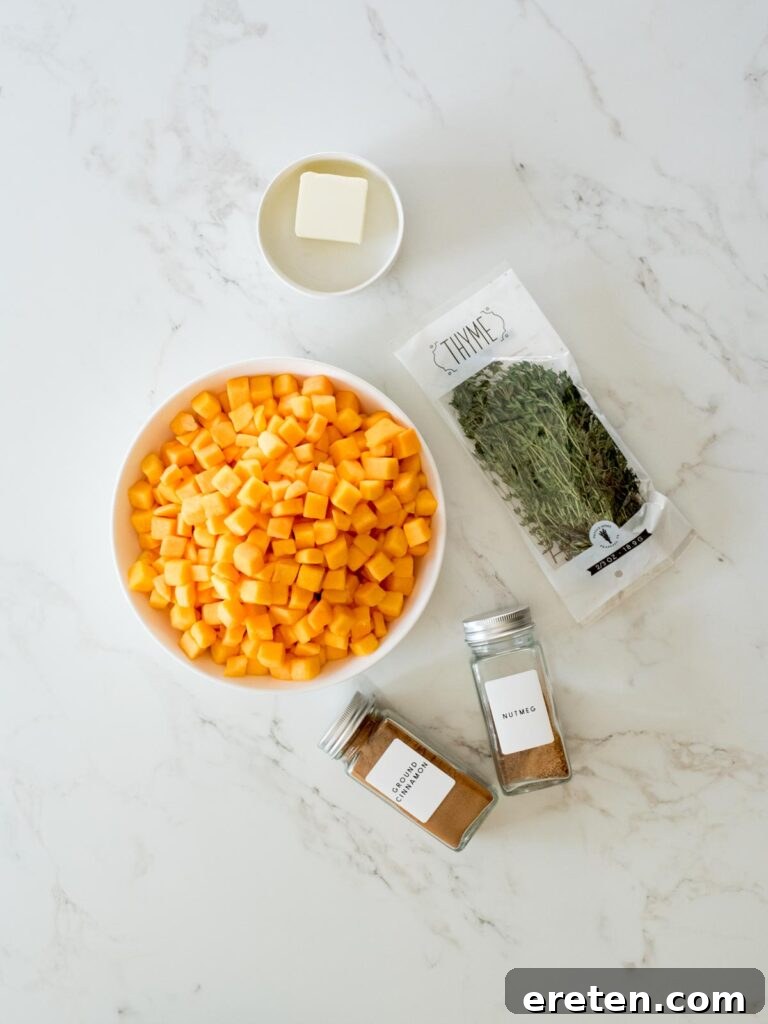
Creating this irresistible sautéed butternut squash requires just a few key ingredients. Each component plays a crucial role in developing the rich, sweet, and savory flavor that makes this dish a family favorite:
Ingredients List:
- Butternut Squash: Opt for a firm, heavy squash with a uniformly beige skin and no soft spots. A medium-sized squash (about 3 pounds) is usually perfect for 4 servings.
- Butter: Unsalted butter is recommended so you can control the overall saltiness of the dish. It provides a rich, creamy base for sautéing and enhances the squash’s natural sweetness.
- Ground Cinnamon: This warm spice adds a comforting, subtly sweet depth that pairs beautifully with butternut squash.
- Ground Nutmeg: A pinch of nutmeg complements the cinnamon and brings a delightful earthy aroma to the dish. Remember, a little goes a long way with nutmeg, as it can be potent.
- Coarse Kosher or Sea Salt: Crucial for balancing the flavors and bringing out the inherent sweetness of the squash. Avoid regular table salt, as its finer grain measures differently and can make the dish too salty quickly.
- Fresh Thyme: Sprigs of fresh thyme infuse a fragrant, slightly peppery, and savory note that perfectly counterpoints the sweetness of the squash and spices. Dried thyme can be used, but fresh offers a more vibrant flavor.
Butternut Squash Recipe Substitutions & Creative Variations
While this recipe shines with butternut squash, its flexible nature allows for delightful substitutions and creative variations. Don’t hesitate to experiment and make it your own!
Sweet Potato Swap: A fantastic and common substitution is sweet potato. It shares a similar texture and natural sweetness with butternut squash, making it an excellent alternative. You’ll prepare it in much the same way: peel and cube the sweet potato into similar 1/2-1 inch pieces for even cooking.
Other Root Vegetables: For a heartier side, consider incorporating other root vegetables like carrots or parsnips. These can be added along with the squash or sweet potatoes, though they might require slightly longer cooking times depending on their density.
Alternative Fats: If you prefer a dairy-free or vegan option, substitute the butter with olive oil, coconut oil, or a plant-based butter alternative. These will still provide a good medium for sautéing and add their own subtle flavors.
Spice Adventures: Feel free to adjust the spice blend to your liking. A tiny pinch of cayenne pepper can add a subtle kick, while ginger or allspice can further enhance the warm, autumnal notes. For a more savory profile, consider adding garlic powder or a touch of smoked paprika.
Sweet Enhancements: To lean into the sweeter side, a drizzle of maple syrup or a sprinkle of brown sugar during the last few minutes of cooking can create a beautiful glaze and deepen the caramelization.
Herbal Twists: Beyond thyme, other fresh herbs like rosemary or sage can also complement butternut squash wonderfully, especially if you’re pairing it with poultry or pork.
Detailed Guide: How to Cook Butternut Squash on the Stove
Sautéing butternut squash on the stove is a quick and effective method that yields tender, flavorful results. Follow these steps for perfect butternut squash every time:
Preparing Your Butternut Squash: Peeling and Cubing
Before you begin cooking, proper preparation of the butternut squash is key. The squash has a tough outer skin, but with a few tricks, it’s easy to manage. Start by firmly trimming both the top and bottom ends of the squash. This creates stable flat surfaces, making it safer to handle. Next, use a sturdy vegetable peeler to remove the skin. Work your way down in strips until all the tough, pale outer layer is gone, revealing the bright orange flesh. Once peeled, carefully slice the squash in half lengthwise. Scoop out the seeds and any stringy fibrous bits from the cavity. Now, cut the squash into uniform 1/2 to 1-inch cubes. Uniformity is important for even cooking; otherwise, some pieces might be mushy while others remain firm.
For your convenience, detailed instructions and precise measurements for this sautéed butternut squash recipe are provided in the comprehensive recipe card located further down on this page.
The Sautéing Process: Step-by-Step Instructions
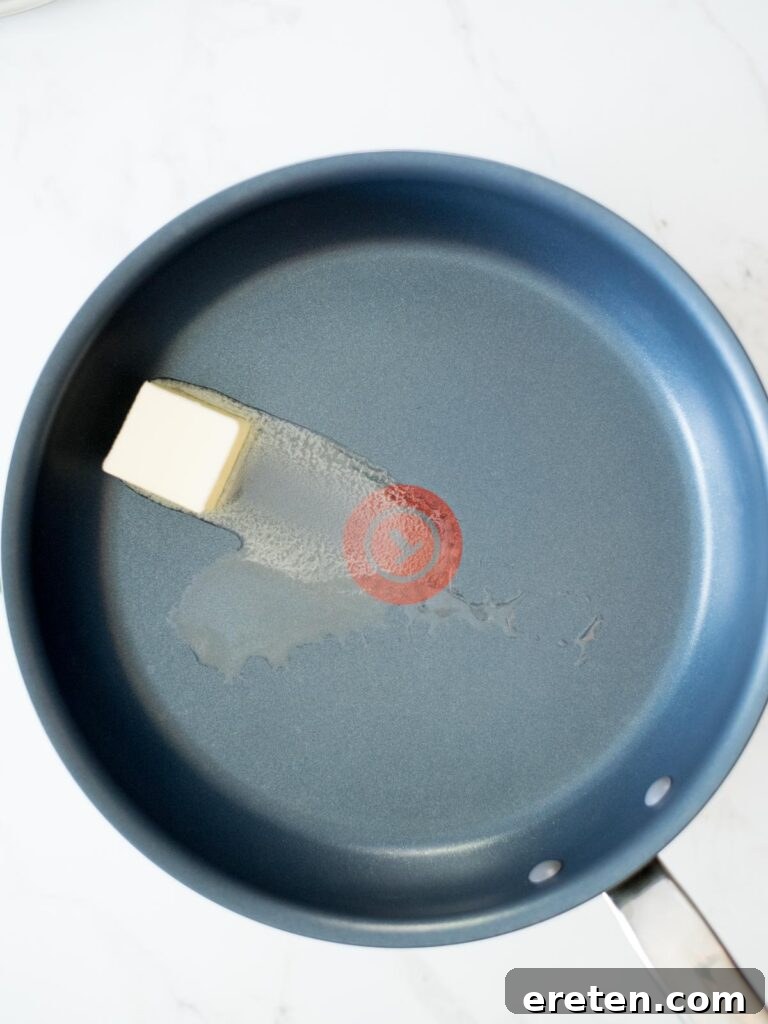
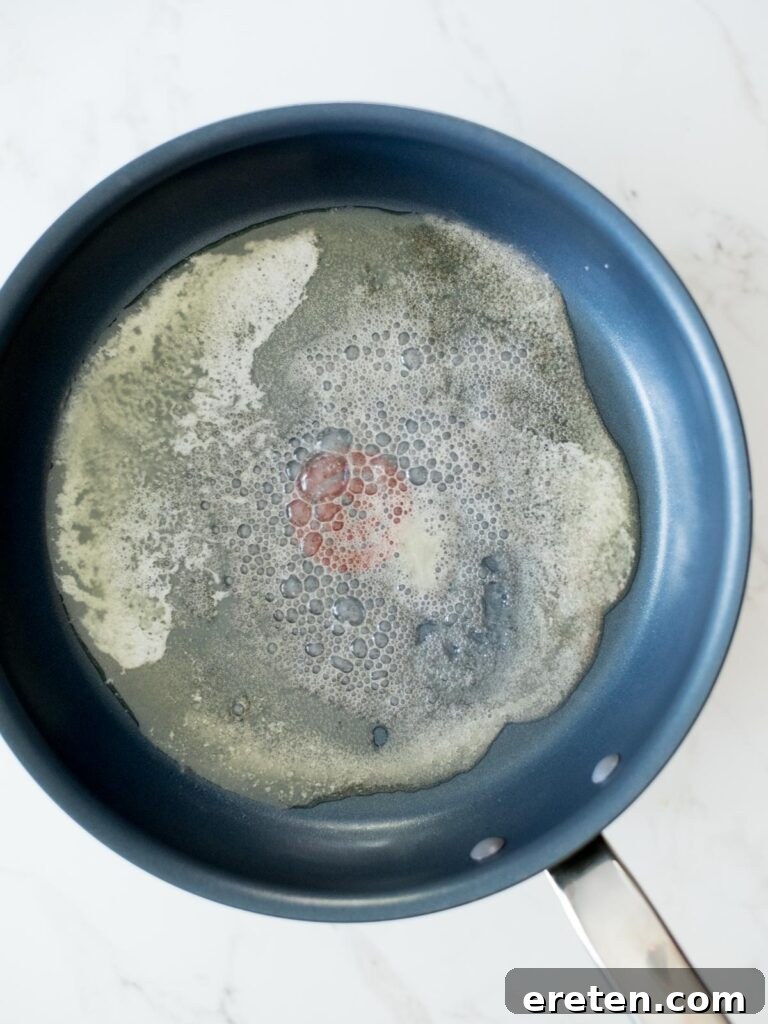
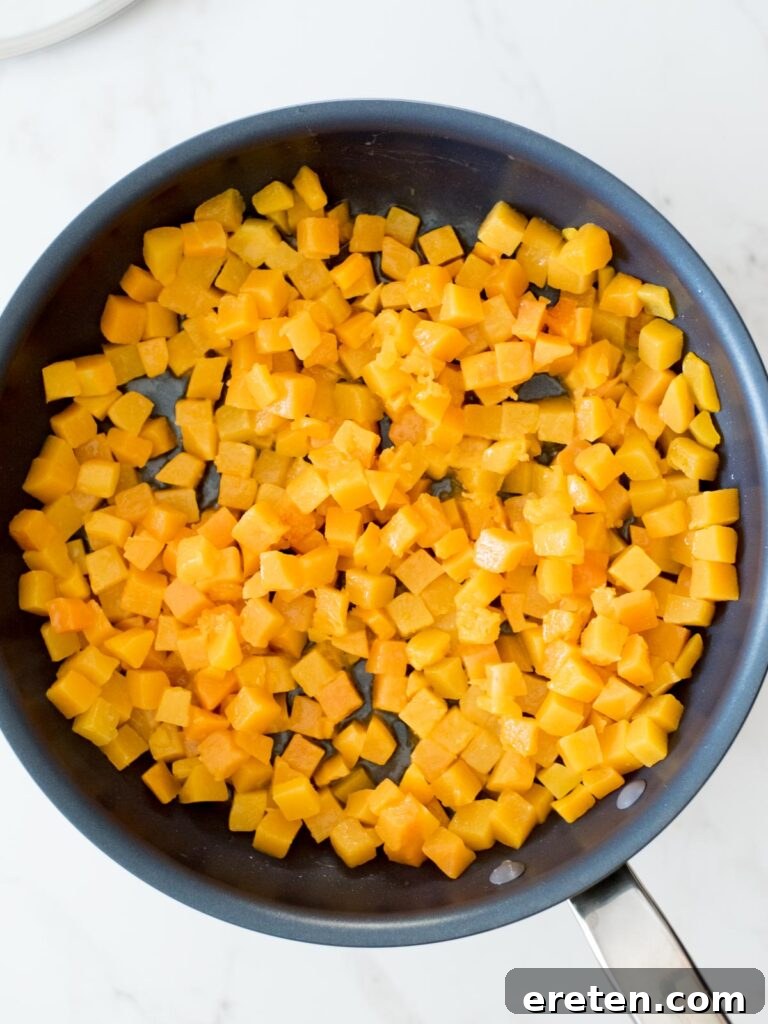
- Melt the Butter: Begin by adding your butter to a large skillet. Place the skillet over medium-high heat and allow the butter to melt completely, ensuring it coats the bottom of the pan. The sizzling butter is your cue to move to the next step.
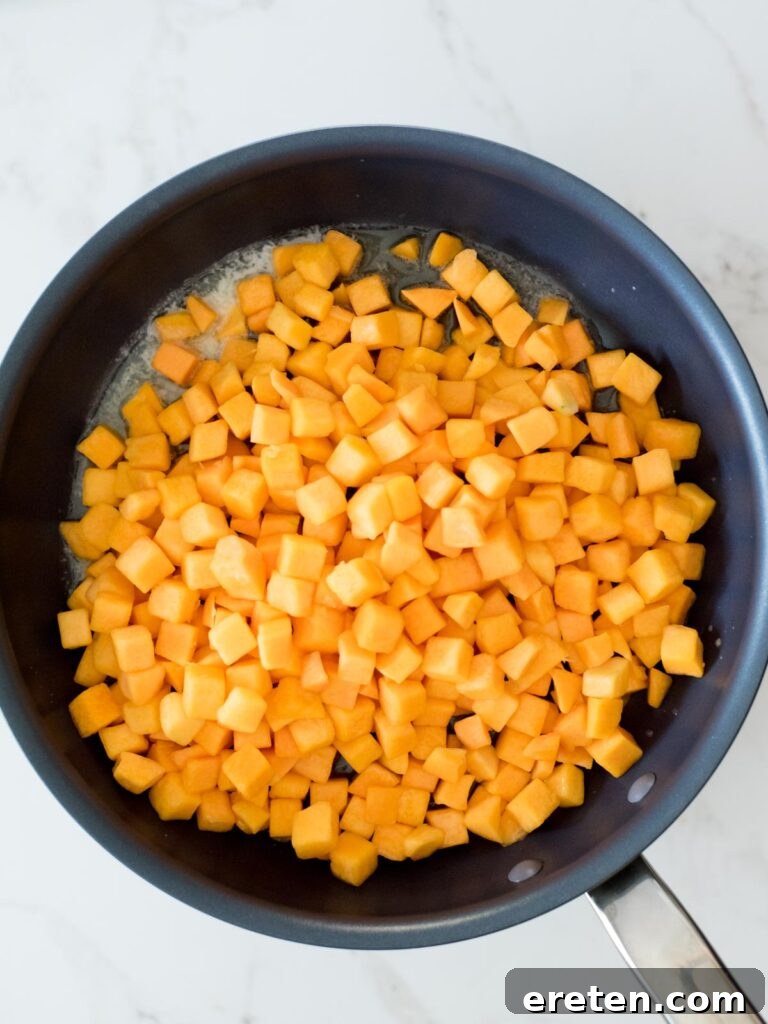
- Coat the Squash: Carefully add the prepared butternut squash cubes to the melted butter in the skillet. Stir thoroughly, using a spatula or spoon, until every piece of squash is evenly coated with the butter. This ensures a rich flavor and helps in even cooking.
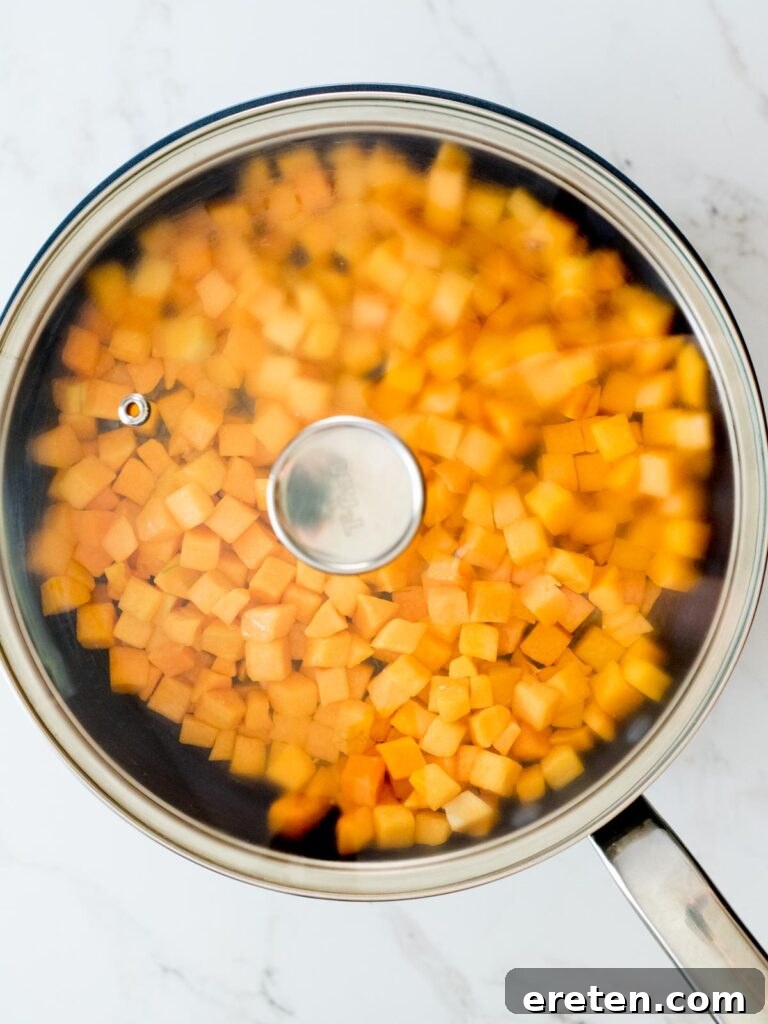
- Cook Down (Covered): Once coated, place a lid securely on the skillet. Reduce the heat slightly to medium. Allow the butternut squash to cook down for approximately 10 minutes. The lid traps steam, helping the squash to soften and cook through without drying out, while the butter prevents sticking and adds flavor.
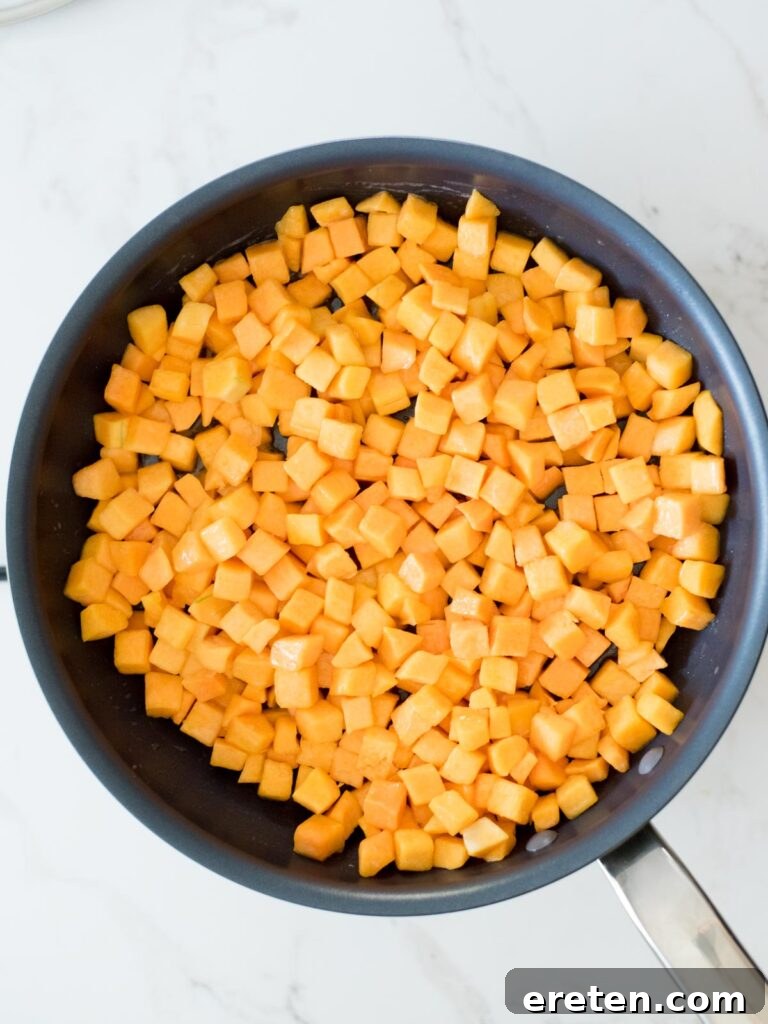
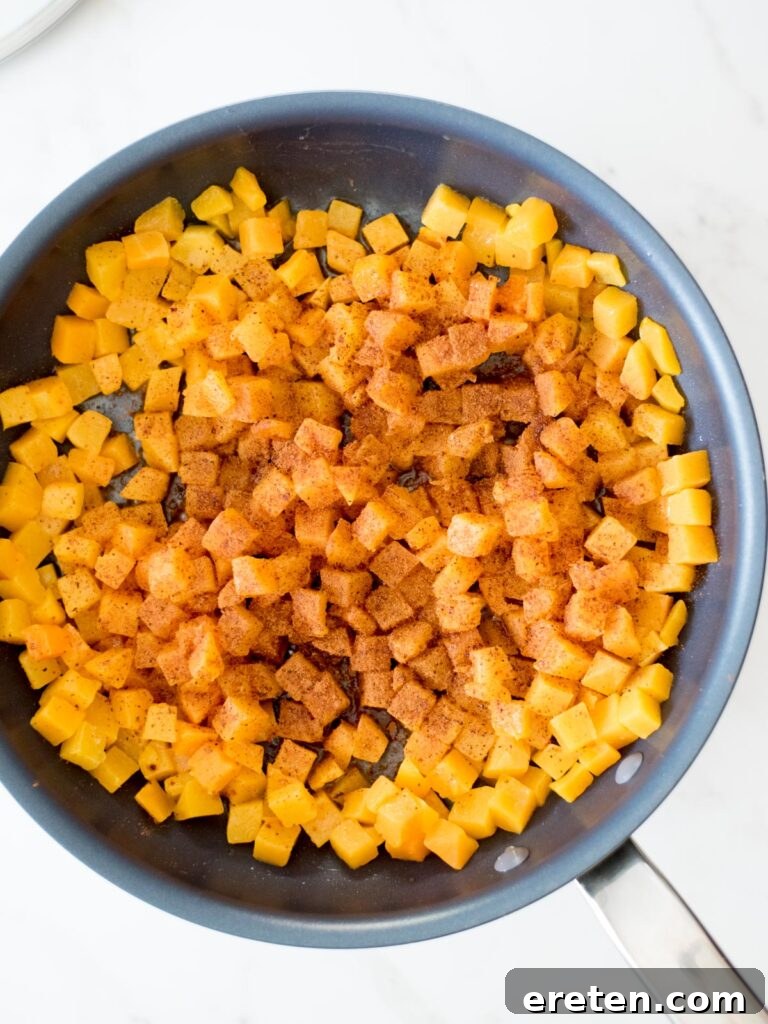
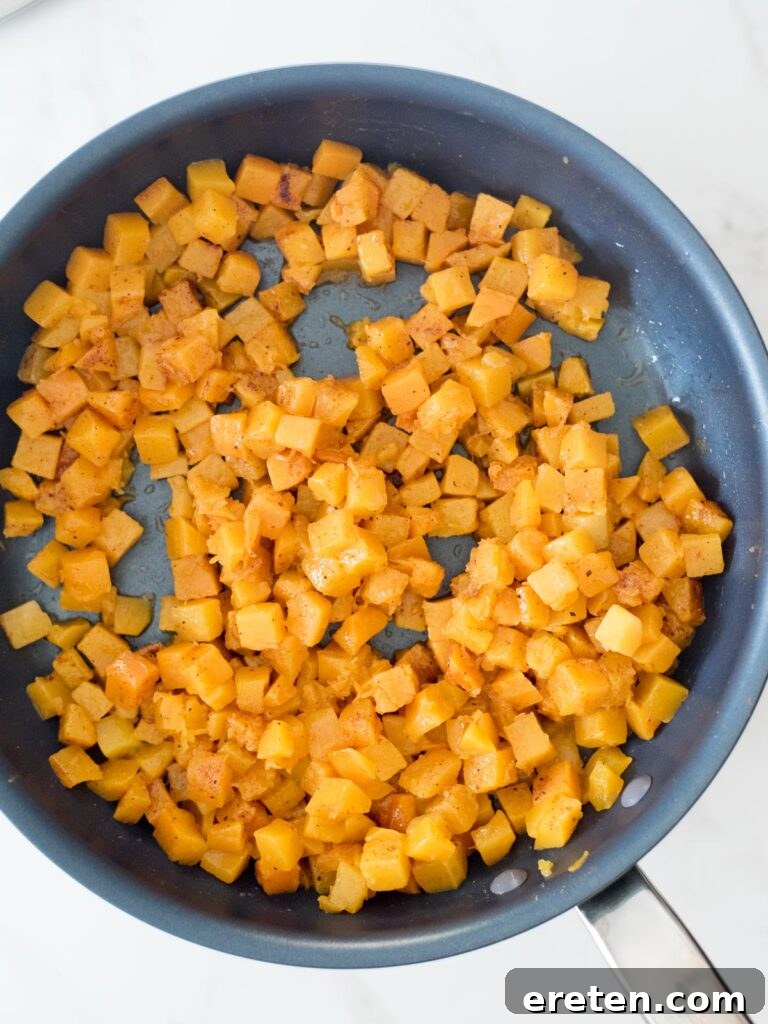
- Season and Combine: After 10 minutes, remove the lid. The squash should be visibly tender. Now, sprinkle in the ground cinnamon, nutmeg, and salt over the cooked squash. Stir gently but thoroughly, ensuring the spices are well distributed and coat all the squash pieces, infusing them with their aromatic flavors.
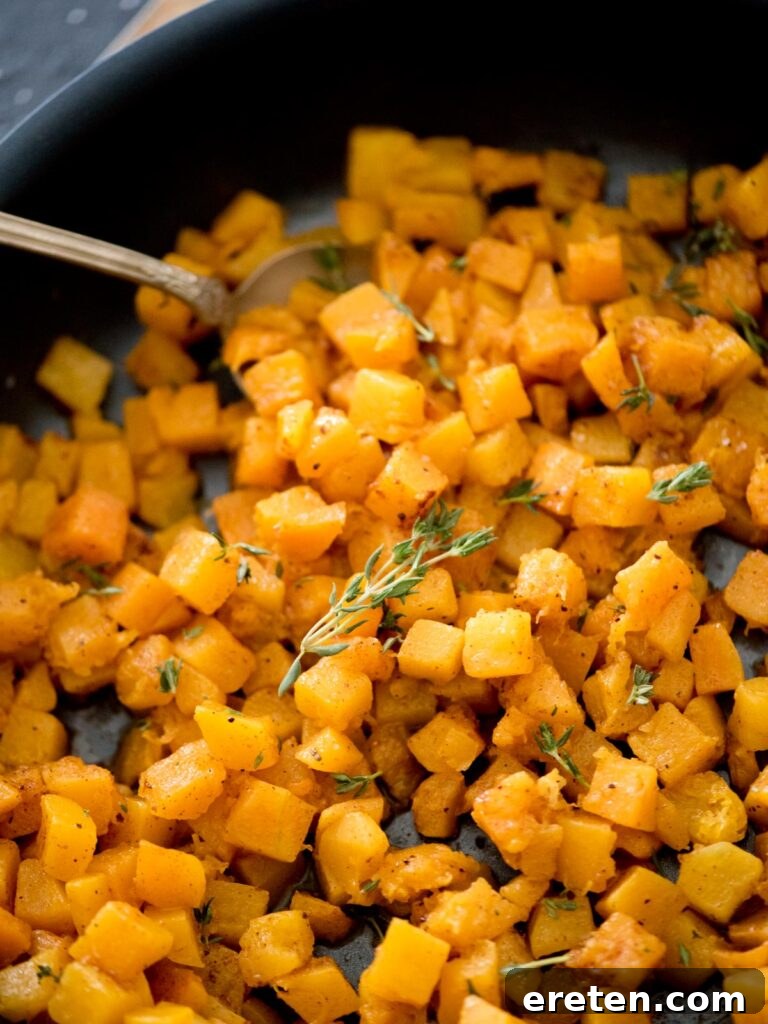
- Finish with Thyme and Serve: Finally, sprinkle fresh thyme leaves over the seasoned butternut squash. Give it one last gentle stir to incorporate the fresh herbs. The residual heat will awaken the thyme’s aroma. Serve immediately as a warm, inviting side dish.
Optimal Sautéing Time for Butternut Squash
For perfectly tender, but not mushy, sautéed butternut squash, aim to cook it covered for approximately 10 minutes over medium heat. This duration allows the squash to steam and soften effectively, ensuring a delightful texture that’s neither too firm nor overly soft.
Expert Tips for Cooking Butternut Squash Like a Pro
Achieving butternut squash perfection is simpler than you might think, especially with these helpful tips:
- Embrace Pre-Cut Squash: Don’t hesitate to purchase pre-peeled and chopped butternut squash, readily available in the produce section of most grocery stores. This convenient option significantly reduces prep time, allowing you to get this delicious dish on the table even faster. Simply open the package and toss the cubes directly into your heated pan.
- Handle Nutmeg with Care: Nutmeg is a wonderfully aromatic spice, but its flavor can be quite potent. If you’re not accustomed to cooking with it, start with a smaller amount (e.g., ½ teaspoon instead of 1 teaspoon) and taste before adding more. You can always sprinkle in a little extra, but it’s hard to reduce an overpowering nutmeg flavor once it’s in the dish.
- Season to Taste: Remember that salt and spices are highly personal. Always taste your dish before serving and adjust the seasoning as needed. A little extra salt can often bring out more of the squash’s natural sweetness.
- Prevent Sticking: Ensure your butter is fully melted and coats the pan well before adding the squash. If you notice any sticking during cooking, add a little more butter or a splash of water or vegetable broth to create more steam.
- Even Browning for Flavor: While this recipe calls for covered cooking to tenderize, for an extra layer of flavor and texture, you can remove the lid for the last few minutes and increase the heat slightly. This allows some of the squash pieces to caramelize and develop a beautiful golden-brown crust.
Perfect Pairings: How to Serve This Butternut Squash Recipe
This savory and sweet sautéed butternut squash is incredibly versatile, making it an ideal companion for a wide array of main courses. It’s particularly exquisite alongside:
- Poultry: Whether it’s roasted chicken, pan-seared turkey breast, or even duck, the rich flavors of the squash complement poultry beautifully.
- Seafood: The sweetness of the squash creates a lovely contrast with delicate fish like baked salmon, seared scallops, or grilled shrimp.
- Pork: Pair it with roasted pork loin or tender pork chops for a hearty and satisfying meal.
- Beef: A perfect match for a succulent pot roast or a simple steak, adding a touch of sweetness to balance the richness of the beef.
- Vegetarian Mains: It’s also an excellent addition to vegetarian meals, such as lentil loaf, mushroom wellington, or alongside a hearty grain bowl.
- Holiday Feasts: Its festive flavors and vibrant color make it a fantastic choice for Thanksgiving, Christmas, or any special occasion.
Storing and Reheating Sautéed Butternut Squash
Proper storage ensures your delicious butternut squash remains fresh and flavorful for future enjoyment:
- Storage: Allow the sautéed butternut squash to cool completely to room temperature. Once cooled, transfer it to an airtight container. Store it in the refrigerator for up to 3 days. This prevents moisture buildup and helps maintain its texture and flavor.
- Freezing: While technically possible, freezing cooked butternut squash can alter its texture, making it slightly softer upon thawing. If you choose to freeze, cool completely, then spread it in a single layer on a baking sheet to flash freeze for an hour. Transfer to a freezer-safe bag or container and freeze for up to 3 months.
How Long Does Butternut Squash Last?
Understanding the shelf life of butternut squash, both raw and cooked, helps in meal planning and reduces food waste:
- Uncooked, Whole Butternut Squash: When stored in a cool, dark, and dry place (like a pantry or cellar), an uncut, unpeeled butternut squash can last surprisingly long, typically 2-3 months, and sometimes even longer under ideal conditions.
- Cooked Butternut Squash: Once cooked, it becomes more perishable. It must be stored in an airtight container in the refrigerator and should be consumed within 3 days for the best quality and safety.
Reheating Sautéed Butternut Squash
To bring your leftover sautéed butternut squash back to life while preserving its delicious flavor and texture:
Microwave Method: For quick reheating, place the squash in a microwave-safe dish, cover it, and microwave for 1 minute at a time. Stir between intervals until it’s heated through. Covering helps retain moisture.
Stovetop Method: For a slightly crispier texture, reheat the squash in a skillet over medium heat with a small amount of butter or oil. Stir frequently until warmed through and lightly caramelized. This method can help restore some of the initial sautéed texture.
Frequently Asked Questions About Cooking Butternut Squash
Yes, it’s generally recommended to peel butternut squash before cooking it for this sautéed recipe. The skin is quite tough and not very palatable. After peeling, remember to chop it into uniform cubes for even cooking.
Butternut squash is perfectly cooked when it’s tender enough to be easily pierced with a fork, but still holds its shape. It should not be mushy. The edges might also show a slight caramelization if you finish it uncovered.
For this sautéed recipe, if you chop the squash into 1/2 to 1-inch cubes, it typically needs about 10 minutes of covered cooking in a skillet to soften properly. Add a few more minutes if you prefer it extra tender or slightly browned.
Absolutely! Butternut squash is a highly nutritious vegetable, rich in vitamins and minerals. It’s an excellent source of Vitamin A (in the form of beta-carotene), Vitamin C, magnesium, potassium, and dietary fiber, all of which contribute to a healthy diet and various bodily functions.
Butternut squash has a naturally sweet and nutty flavor that pairs wonderfully with warm spices like cinnamon, nutmeg, and allspice. Herbs like fresh thyme and sage also complement it beautifully. Sweeteners like maple syrup or brown sugar enhance its natural sugars, while a touch of salt is essential to balance all flavors.
An uncooked, uncut butternut squash should feel firm and heavy for its size, with no soft spots, mold, or strong odors. If you notice any of these signs, particularly soft spots or a rancid smell, it indicates that the squash has gone bad and should be discarded. Once cut, look for sliminess or unusual discoloration.
Yes, roasting is another fantastic method for cooking butternut squash. Simply toss the cubed squash with a little olive oil, salt, and pepper (or the spices from this recipe), then roast at 400°F (200°C) for 20-30 minutes, or until tender and lightly caramelized. It offers a slightly different texture, often with crispier edges.
Absolutely! To make this recipe vegan, simply substitute the butter with a plant-based butter alternative or your favorite cooking oil, such as olive oil or coconut oil. The spices and preparation method remain the same, ensuring a delicious plant-based side dish.
Explore Other Delicious Vegetable Recipes You Might Enjoy
If you loved this butternut squash recipe, you’re sure to find these other vegetable-focused dishes equally delightful and easy to incorporate into your meal rotation:
- Instant Pot Mashed Sweet Potatoes
- Oven Roasted Garlic Brown Sugar Carrots
- Butternut Squash Ravioli
If you whip up this fantastic recipe and fall in love with it, we would be incredibly grateful for a 5 ⭐️⭐️⭐️⭐️⭐️ rating! Your feedback helps us continue to share delicious, free recipes with our community.
How to Cook Butternut Squash
⭐️
⭐️
⭐️
⭐️
5 minutes
15 minutes
20 minutes
4
people
Ingredients
1x
2x
3x
2x
3x
- 1 whole butternut squash (about 3 pounds)
- 2 tablespoons butter
- 2 teaspoons ground cinnamon
- 1 teaspoon ground nutmeg
- ½-1 teaspoon coarse kosher or sea salt (do not use table salt – it does not measure the same)
- 4 sprigs fresh thyme
Instructions
-
Take the butternut squash and cut the bulb part away from the long part. Then, cut the long part and the bulb part in half. Scoop out any of the seeds and as much of the stringy texture as possible. Peel the skin off of the squash with a vegetable peeler and cut the squash into 1/2 – 1 inch cubes.
-
Add the butter to the skillet over medium-high heat and let it melt.
-
Once it has melted, add in the chopped butternut squash and stir until the butter fully coats the squash pieces.
-
Place a lid on the skillet and allow the butternut squash to cook down, about 10 minutes.
-
Remove the lid and sprinkle in the cinnamon, nutmeg, and salt. Stir to combine.
-
Sprinkle with fresh thyme, mix, and serve!
Nutrition
Calories: 64kcal,
Carbohydrates: 4g,
Protein: 1g,
Fat: 6g,
Saturated Fat: 4g,
Polyunsaturated Fat: 1g,
Monounsaturated Fat: 1g,
Trans Fat: 1g,
Cholesterol: 15mg,
Sodium: 1164mg,
Potassium: 28mg,
Fiber: 2g,
Sugar: 1g,
Vitamin A: 261IU,
Vitamin C: 2mg,
Calcium: 48mg,
Iron: 1mg
Nutrition information is automatically calculated, so should only be used as an approximation.
Additional Info
Side Dish
American