

Cottage pie, a beloved staple of British cuisine, stands as the epitome of simple, heartwarming comfort food. This classic dish, renowned for its hearty meat filling crowned with a luscious layer of mashed potatoes, offers an incredibly satisfying meal that’s both economical and easy to prepare. Whether you’re feeding a bustling family on a chilly evening or simply craving a taste of home, a well-made cottage pie rarely disappoints. Its ingredients are often pantry staples, and it’s an excellent way to transform leftovers into a delicious new creation.
While a cottage pie is undeniably a complete meal on its own, its rich flavors and comforting texture truly shine when paired with the right accompaniments. The perfect side dish can elevate your dining experience, adding fresh contrasts, delightful textures, and an extra boost of nutrition. In this comprehensive guide, we’ll explore an array of delectable side dishes, from crisp salads to roasted vegetables and savory breads, ensuring your family enjoys a perfectly balanced and unforgettable meal.
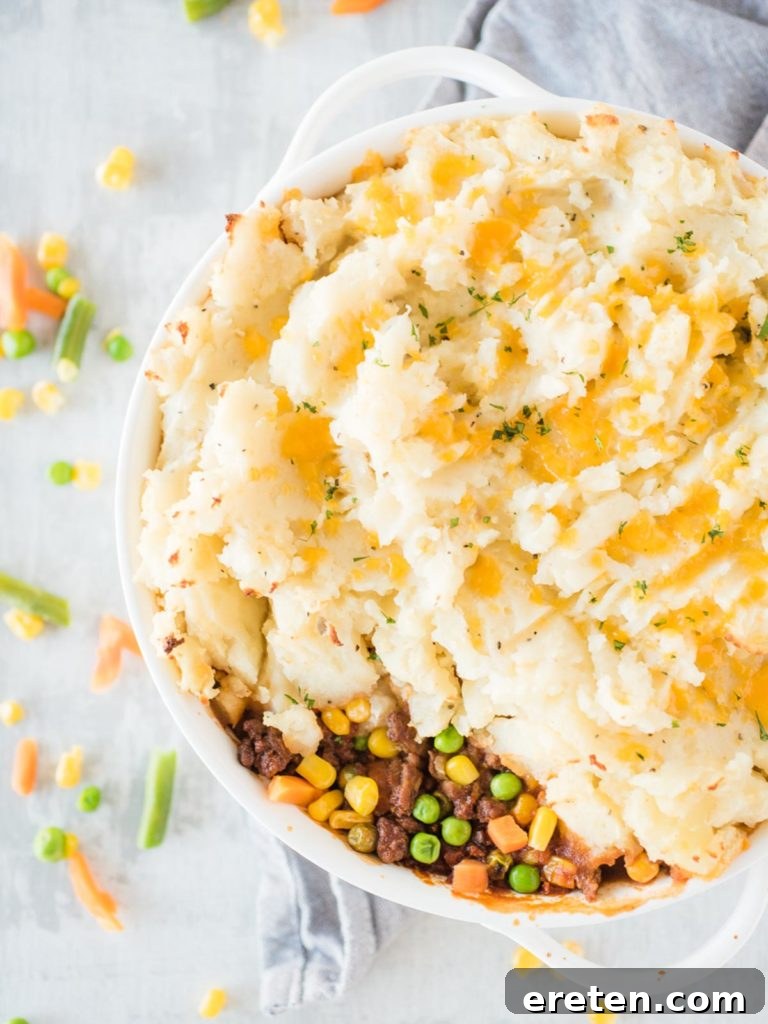
Understanding Cottage Pie: A Classic Comfort
At its heart, a traditional cottage pie is a savory dish featuring a minced (ground) meat base, typically beef, combined with various vegetables like carrots, peas, and onions, all simmered in a rich, savory gravy. This flavorful concoction is then generously topped with a layer of creamy, buttery mashed potatoes and baked until golden brown and bubbly. It’s the ultimate one-pot wonder, providing a harmonious blend of textures and tastes.
This humble yet delicious pie has long been a family favorite, particularly in the colder months. Its ability to provide warmth, sustenance, and a feeling of contentment makes it a culinary embrace in every spoonful. But to truly complete the experience, let’s delve into the best pairings that complement its robust profile without overpowering it.
Cottage Pie vs. Shepherd’s Pie: Unraveling the Distinction
Often used interchangeably, “cottage pie” and “shepherd’s pie” are two distinct dishes with a crucial difference rooted in their primary ingredient and origin. While they share a similar comforting structure of a meat and vegetable filling beneath a mashed potato crust, understanding their nuances adds to their appreciation.
The primary distinction lies in the type of meat used. A true **Cottage Pie** is made with **ground beef**. Historically, it originated in England in the late 18th century as a clever way for rural workers to use leftover roast beef or other beef cuts, hence the “cottage” (referring to their modest dwellings) in its name. The term “pie” refers to the potato topping acting as a crust, rather than a pastry crust.
In contrast, **Shepherd’s Pie** is traditionally made with **ground lamb**. The name itself provides a clear clue: a “shepherd” tends to sheep, making lamb the logical choice for this Irish classic. While also emerging in the 18th century, shepherd’s pie became a celebrated dish in Ireland, utilizing their abundant lamb resources.
Beyond the meat, both dishes typically feature a medley of vegetables (often carrots, peas, and onions) and a rich, flavorful gravy, all capped with a luxurious layer of mashed potatoes. Modern adaptations might blur these lines, with many recipes offering variations using different meats or even plant-based alternatives. However, for culinary purists, the choice of beef or lamb remains the defining characteristic that separates these two cherished comfort foods.
The Historical Roots and Naming of Cottage Pie
The name “cottage pie” offers a fascinating glimpse into its humble beginnings. Originating in the late 18th century, the term “cottage” directly refers to the simple, small homes of agricultural laborers and rural workers in Great Britain. This era saw the rise of potato cultivation, making potatoes a readily available and inexpensive food source for the working class.
The dish itself was conceived out of necessity and ingenuity. It served as an economical and resourceful way to utilize leftover roasted meats, particularly beef, from Sunday dinners. Instead of discarding the remnants, frugal home cooks would mince the meat, combine it with vegetables and gravy, and then top it with a thick layer of mashed potatoes. The “pie” aspect of the name denotes its layered, baked format, with the mashed potatoes serving as a substantial, edible crust, distinct from traditional pastry-based pies.
This resourceful approach made cottage pie a filling and nutritious meal that was accessible to all, solidifying its place as a beloved staple in British households. Its enduring popularity is a testament to its simple charm, satisfying nature, and the comforting flavors it delivers.
Is Cottage Pie an Irish Delicacy?
Despite its close cousin, Shepherd’s Pie, being strongly associated with Ireland, Cottage Pie actually has its origins firmly rooted in England. While both dishes are indeed similar in concept – a savory meat filling beneath a mashed potato topping – their geographical and culinary distinctions are clear.
As discussed, Cottage Pie is a British invention, specifically made with ground beef. Shepherd’s Pie, on the other hand, is the Irish counterpart, traditionally prepared with ground lamb. So, when enjoying a classic Cottage Pie, you’re savoring a piece of British culinary heritage, even if its hearty, comforting nature resonates with food lovers worldwide, including those in Ireland who also enjoy its lamb-based relative.
Serving Gravy with Cottage Pie: Is It Necessary?
One common question diners have is whether to serve additional gravy alongside a cottage pie. The delightful truth is, extra gravy is typically unnecessary because the dish itself is already brimming with a rich, flavorful sauce! The ground beef and vegetables are simmered in a robust gravy that is integral to the pie’s taste and moistness.
Classic cottage pie recipes often call for ingredients like Worcestershire sauce, balsamic vinegar, red wine, or beef broth, which contribute to a deep, umami-packed gravy. When you scoop out a portion of the pie, you’ll find that the creamy mashed potato topping beautifully melds with this savory meat and vegetable mixture, creating a perfectly balanced bite infused with ample gravy. The mashed potatoes are specifically designed to absorb and complement the savory juices from the filling, making any additional gravy redundant and potentially overwhelming. Enjoy it as it is!
Freezing Cottage Pie: A Lifesaver for Busy Weeks
Cottage pie is not only a fantastic family meal but also an excellent candidate for meal prepping and freezing. Having a homemade cottage pie ready in the freezer can be a lifesaver on busy weeknights or for unexpected guests. It freezes beautifully, retaining its flavor and texture remarkably well for up to three months.
There are two primary methods for freezing cottage pie:
- Freezing Unbaked: Prepare your cottage pie completely in an oven-safe baking dish, but do not bake it. Allow the assembled pie to cool if any components were warm. Then, wrap it tightly first with plastic wrap, ensuring no air gaps, followed by a layer of aluminum foil. This double-layer protection helps prevent freezer burn. Label the dish with the date and cooking instructions, then place it in the freezer. When ready to bake, transfer it directly from the freezer to a preheated oven (it will require a longer cooking time) or thaw it in the refrigerator overnight before baking as usual.
- Freezing Baked: Bake your cottage pie as per the recipe instructions. Once fully cooked, let it cool completely to room temperature. This is a crucial step to prevent condensation and ice crystals from forming, which can lead to a soggy pie upon reheating. Once cool, cover it tightly with plastic wrap and then aluminum foil, just like the unbaked method. Label and freeze. To reheat, you can either thaw it in the refrigerator overnight and then warm it in the oven, or reheat from frozen at a lower temperature until heated through, typically around 350°F (175°C).
For ultimate preservation and to prevent freezer burn, you can even vacuum seal individual portions of the wrapped cottage pie. This method locks in freshness and extends its freezer life slightly longer. Whichever method you choose, cottage pie remains a convenient and delicious freezer meal that’s ready when you are.
Frequently Asked Questions About Cottage Pie
A traditional cottage pie, made with potatoes, ground beef, and vegetables, appears to be inherently gluten-free. However, the crucial element to watch out for is the gravy thickener. Many recipes use wheat flour to create a rich, thick gravy. To ensure your cottage pie is entirely gluten-free, you can easily substitute wheat flour with cornstarch, arrowroot powder, or a specific gluten-free flour blend. Always check ingredient labels for any hidden gluten in sauces or broths.
While traditional cottage pie recipes do not typically include cheese, often due to its origins during times of food scarcity, it has become a popular modern adaptation. Adding a sprinkle of cheese on top of the mashed potatoes before baking can enhance the flavor and create a delightful golden, cheesy crust. Both Parmesan and cheddar cheese are excellent choices, offering distinct savory notes that complement the rich meat filling beautifully.
In its most traditional form, cottage pie does not feature prominent tomato ingredients. However, many contemporary recipes incorporate a small amount of tomato paste into the gravy mixture. This addition deepens the umami flavor and adds a subtle richness and color without making the dish taste distinctly tomato-based. It’s a common tweak to enhance the overall savory profile.
Absolutely! While traditional cottage pie uses ground beef, it’s very easy to adapt it into a delicious vegetarian or even vegan dish. Substitute the ground beef with an equal amount of cooked lentils, mushrooms, finely chopped walnuts, or a plant-based mince alternative. Ensure your gravy is also made with vegetable broth and a gluten-free thickener. For a vegan version, use dairy-free butter and milk for your mashed potato topping. This makes it a versatile meal for all dietary preferences.
Cottage pie is an ideal make-ahead meal. You can assemble the entire pie (meat filling and mashed potato topping) up to 24 hours in advance, cover it tightly, and store it in the refrigerator. When you’re ready to cook, simply take it out of the fridge about 30 minutes before baking to allow it to come closer to room temperature, then bake as directed (you might need to add an extra 10-15 minutes to the baking time). This makes it perfect for entertaining or simplifying weeknight dinners.
How to Prepare an Easy Cottage Pie: A Simple Recipe Overview
Crafting a classic cottage pie doesn’t have to be complicated. With just a few straightforward steps, you can create this hearty dish that’s perfect for any occasion. Here’s a basic overview to guide you:
- Brown the Ground Beef: Start by browning your ground beef in a large pan or Dutch oven. Season generously with salt and black pepper. Once cooked through, drain any excess fat.
- Build the Gravy and Add Veggies: Stir in your preferred gravy components, which might include chopped onions, carrots, and peas, along with beef broth, Worcestershire sauce, and a touch of tomato paste. Simmer until the vegetables are tender and the gravy has thickened.
- Assemble the Pie: Transfer the savory meat and vegetable mixture to a sturdy baking dish. Evenly spread a generous layer of creamy mashed potatoes over the top, ensuring it covers the filling completely.
- Bake to Golden Perfection: Place the baking dish in a preheated oven. Bake for approximately 15-25 minutes, or until the filling is hot and bubbling around the edges, and the mashed potato topping is beautifully golden brown with slightly crisp peaks.
That’s all it takes to bring this comforting classic to your table! Its simplicity and satisfying flavors are why home cooks adore it, especially for busy weeknights when a wholesome meal is a priority.
The Best Side Dishes for Cottage Pie: Elevate Your Meal
While a cottage pie is a satisfying meal on its own, pairing it with the right side dishes can transform it into an even more delightful and well-rounded feast. The goal is to choose accompaniments that offer a complementary contrast in flavor and texture, whether it’s the crisp freshness of a salad, the savory depth of roasted vegetables, or the comforting absorption of bread. Here are some of the best side dishes to serve alongside your hearty cottage pie, ensuring a balanced and incredibly delicious dining experience for your whole family:
Breads and Starches: Perfect for Soaking Up Flavor
Breads are an excellent choice with cottage pie, providing a wonderful vehicle for soaking up any leftover savory gravy. They add a comforting carbohydrate element that completes the meal.

Honey Dinner Rolls
View Recipe
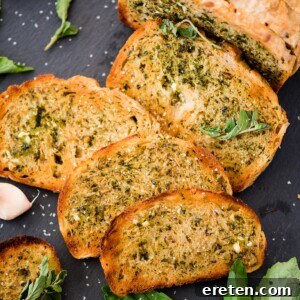
Garlic Bread
View Recipe
Irish Soda Bread
View Recipe
Fresh Salads: A Light and Zesty Contrast
To cut through the richness of cottage pie, a fresh and vibrant salad is an excellent choice. It provides a crisp texture, bright flavors, and a welcome dose of greens, making your meal feel lighter and more balanced.

Green Salad
View Recipe

Corn Salad
View Recipe
Goat Cheese Salad
View Recipe
Hearty Roasted Vegetables: Depth and Earthiness
Roasted vegetables are always a welcome addition, bringing out their natural sweetness and offering a comforting, yet distinct, flavor profile that pairs wonderfully with the robust cottage pie.

How to Cook Butternut Squash
View Recipe

Roasted Green Beans
View Recipe

Delicious Roasted Carrots
View Recipe
Brussels Sprouts
View Recipe
Classic & Comforting Pairings
Some side dishes just naturally feel right with a comforting British or Irish inspired meal. These traditional accompaniments bring their own unique flavors and textures to the table.
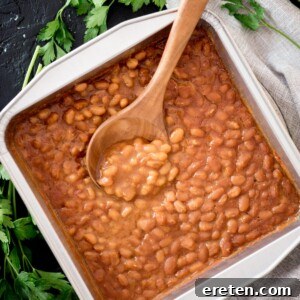
Baked Beans
View Recipe
Classic Yorkshire Pudding
View Recipe
Choosing the right side dish can truly enhance your cottage pie experience, turning a simple dinner into a memorable meal. What’s your favorite accompaniment to this classic comfort food? Share your go-to pairings in the comments below!