
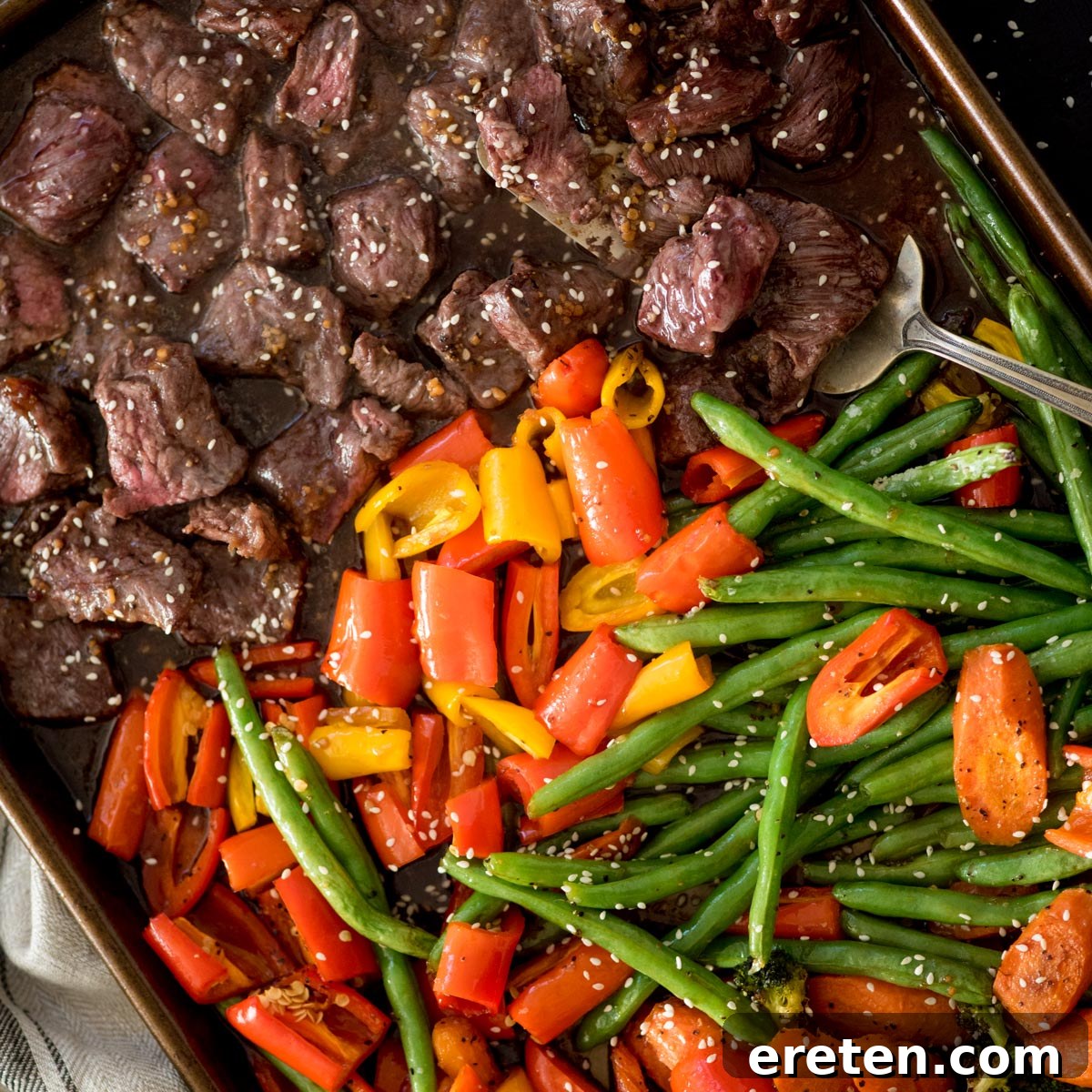
Transform your weeknight dinners with this incredibly easy and flavor-packed Sheet Pan Beef Teriyaki. Imagine tender, thinly sliced beef and a vibrant array of crisp-tender vegetables, all coated in a rich, savory homemade teriyaki sauce. This Asian-inspired meal comes together effortlessly on a single baking sheet, promising minimal cleanup and maximum deliciousness in under 30 minutes. Forget complicated stir-fries or multiple pots and pans; this recipe delivers a satisfying, healthy, and incredibly convenient dinner solution that the whole family will love.
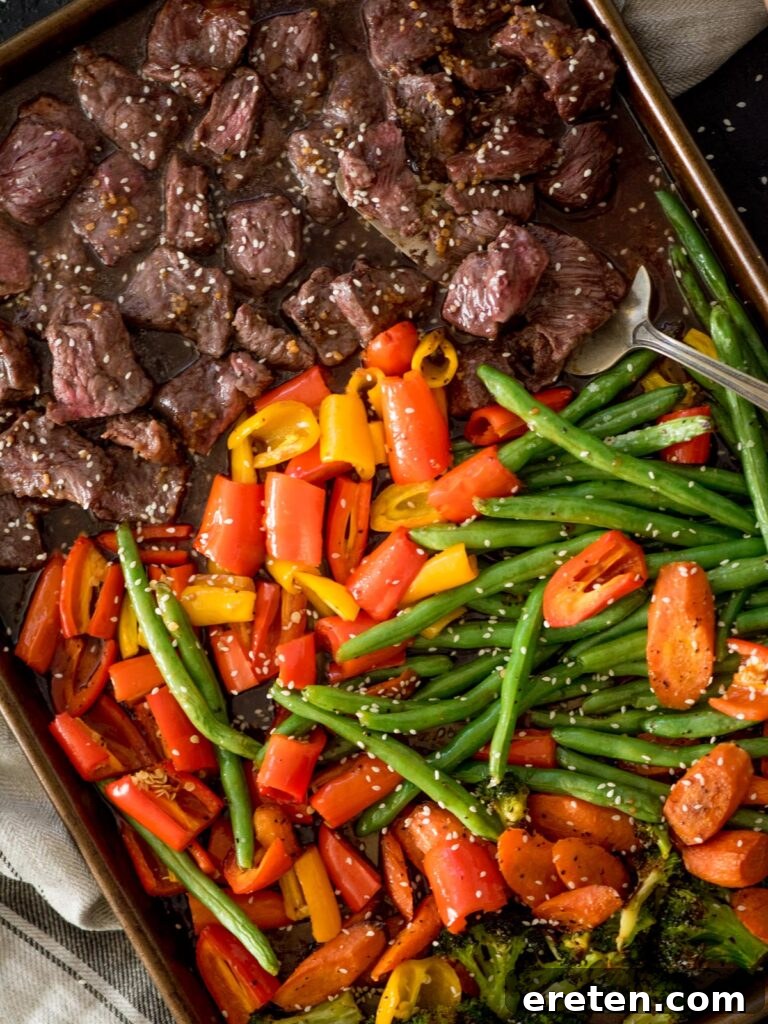
Why You’ll Love This Easy Sheet Pan Beef Teriyaki and Broccoli
This recipe isn’t just a meal; it’s a culinary hack for busy individuals and families seeking wholesome, flavorful food without the fuss. Our Sheet Pan Beef Teriyaki combines the best elements of a classic Asian dish with the unparalleled convenience of sheet pan cooking. You get succulent slices of beef, perfectly roasted broccoli, carrots, green beans, and bell peppers, all bathed in a luscious, sweet and savory homemade teriyaki glaze. The beauty of this dish lies in its simplicity: everything cooks together on one pan, merging flavors beautifully and drastically cutting down on post-dinner cleanup. It’s a complete, balanced meal that’s ready to impress in record time.
The Genius of Sheet Pan Dinners: A Busy Cook’s Best Friend
Sheet pan dinners have revolutionized home cooking, and for good reason. They are the epitome of efficiency, offering a streamlined approach to preparing nourishing meals. By utilizing a single baking sheet, you eliminate the need for multiple pots and pans, which translates directly to less washing up after dinner. This method also encourages healthy eating, as it typically involves roasting lean proteins and a generous serving of vegetables, often with minimal oil. The high heat of the oven caramelizes the natural sugars in the vegetables and sears the meat to perfection, intensifying flavors and creating delightful textures. Whether you’re a seasoned chef or a kitchen novice, sheet pan meals are a reliable way to get a delicious, well-rounded dinner on the table with minimal effort and maximum satisfaction.
Essential Tools for Your Sheet Pan Teriyaki Success
While the beauty of a sheet pan dinner is its simplicity, having a few key kitchen tools can make the process even smoother and more enjoyable:
- Quality Baking Sheet: A sturdy, good-quality baking sheet is the cornerstone of any sheet pan meal. Look for heavy-gauge aluminum sheets that resist warping at high temperatures, ensuring even cooking and browning across your ingredients. A larger size is often preferable to give your ingredients space, preventing steaming and promoting proper roasting.
- Silicone Whisk: A silicone whisk is incredibly versatile. Its flexible, non-scratch design makes it ideal for blending sauces directly in bowls or even on delicate non-stick surfaces without causing damage. It ensures your teriyaki sauce is perfectly smooth and lump-free.
- Measuring Cups and Spoons: Accurate measurements are crucial for a balanced teriyaki sauce. A good set of measuring cups and spoons will ensure consistency in flavor every time you make this dish.
- Sharp Knife and Cutting Board: For uniform slicing of beef and chopping of vegetables, a sharp knife is indispensable. It makes prep work faster, safer, and ensures even cooking.
- Avocado or Sesame Oil Spray: An oil spray provides an even coating over your vegetables with less oil than pouring, promoting crispiness without making them greasy.
Key Ingredients for an Authentic Homemade Teriyaki Flavor
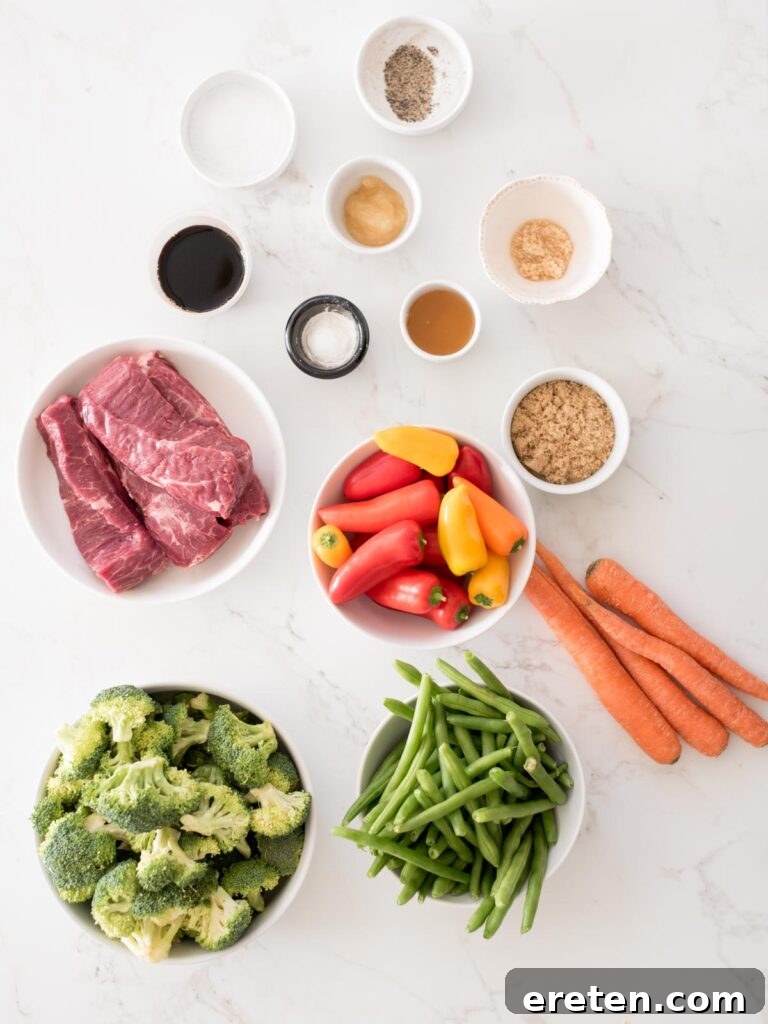
The heart of this incredible dish lies in its vibrant, homemade teriyaki sauce and the fresh, colorful ingredients. Crafting your own sauce allows you to control the sweetness and saltiness, resulting in a flavor far superior to most store-bought alternatives. Here’s a breakdown of what you’ll need and why each component is essential:
For the Homemade Teriyaki Sauce:
- Low-Sodium Soy Sauce: Forms the salty, umami base of the sauce. Using low-sodium allows you to add salt to taste without over-salting the dish.
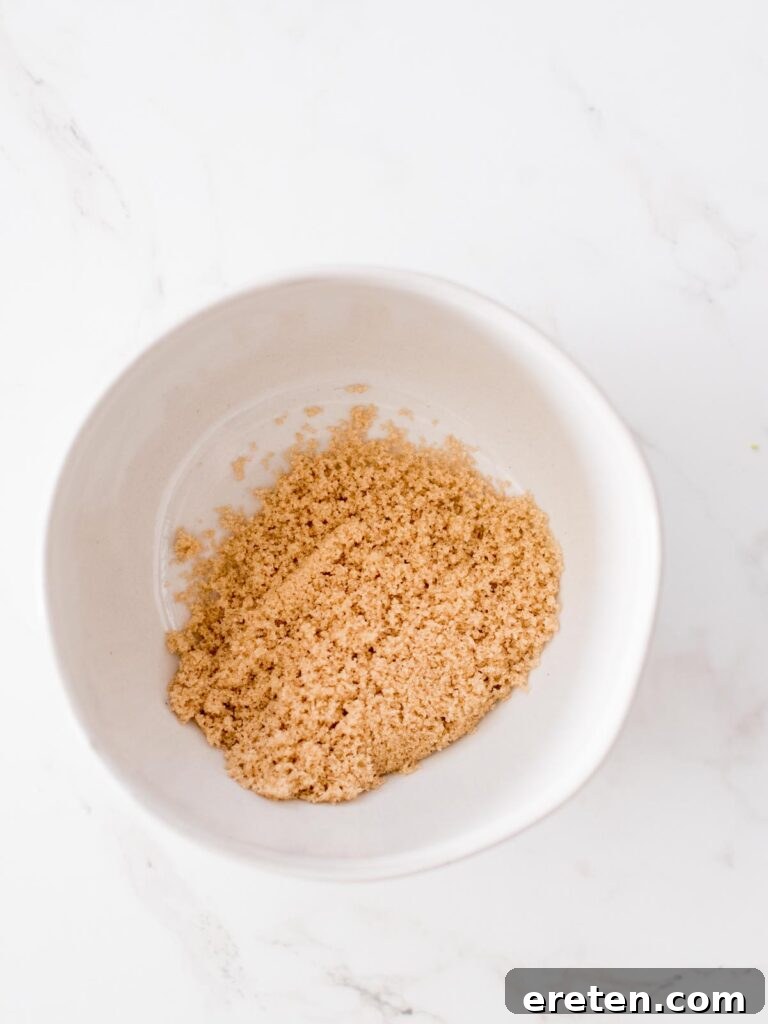
- Brown Sugar: Provides essential sweetness and a hint of molasses, balancing the soy sauce and helping to create that beautiful, glossy glaze when caramelized.
- Honey: Adds another layer of sweetness and a slightly different, richer flavor profile compared to just brown sugar, contributing to the sauce’s sticky texture.
- Minced Garlic: Fresh garlic provides aromatic depth and a pungent kick that is characteristic of Asian cuisine.
- Minced Ginger: Offers a warm, spicy, and fragrant note that brightens the sauce and complements the other flavors beautifully.
- Corn Starch: This is your thickening agent. It ensures the sauce transforms from a watery liquid into a luscious, clingy glaze that coats every piece of beef and vegetable.
For the Beef and Vegetables:
- Thinly Sliced Beef Sirloin or Flank Steak: These cuts are excellent choices for teriyaki. Sirloin is tender and flavorful, while flank steak, when sliced against the grain, becomes wonderfully tender and absorbs the sauce beautifully. Thin slicing ensures quick cooking.
- Broccoli Florets: Adds a healthy green crunch and earthy flavor. Ensure florets are uniform in size for even cooking.
- Carrots: Sweet and vibrant, carrots add a lovely color and a subtle sweetness that pairs well with the savory sauce. Peel and chop them into consistent pieces.
- Fresh Green Beans: Offer a fresh, slightly earthy flavor and a satisfying snap.
- Bell Pepper (any color): Provides sweetness, a slight tang, and beautiful visual appeal. Red, yellow, or orange bell peppers are particularly good choices.
- Avocado or Sesame Oil Spray: Used to lightly coat the vegetables before roasting, helping them to brown and crisp up. Avocado oil is neutral, while sesame oil adds a nutty, Asian-inspired aroma.
Crafting Your Easy Sheet Pan Beef Teriyaki: Step-by-Step Guide
This recipe is designed for maximum ease and efficiency, ensuring a delicious meal with minimal effort. Follow these simple steps to create a perfect sheet pan dinner that’s bursting with flavor. Remember to consult the recipe card at the bottom of the page for precise measurements and detailed timings.
- Preheat Your Oven: Start by preheating your oven to a robust 425°F (220°C). A hot oven is key to achieving perfectly roasted vegetables and beautifully seared beef, locking in flavor and creating appealing textures.
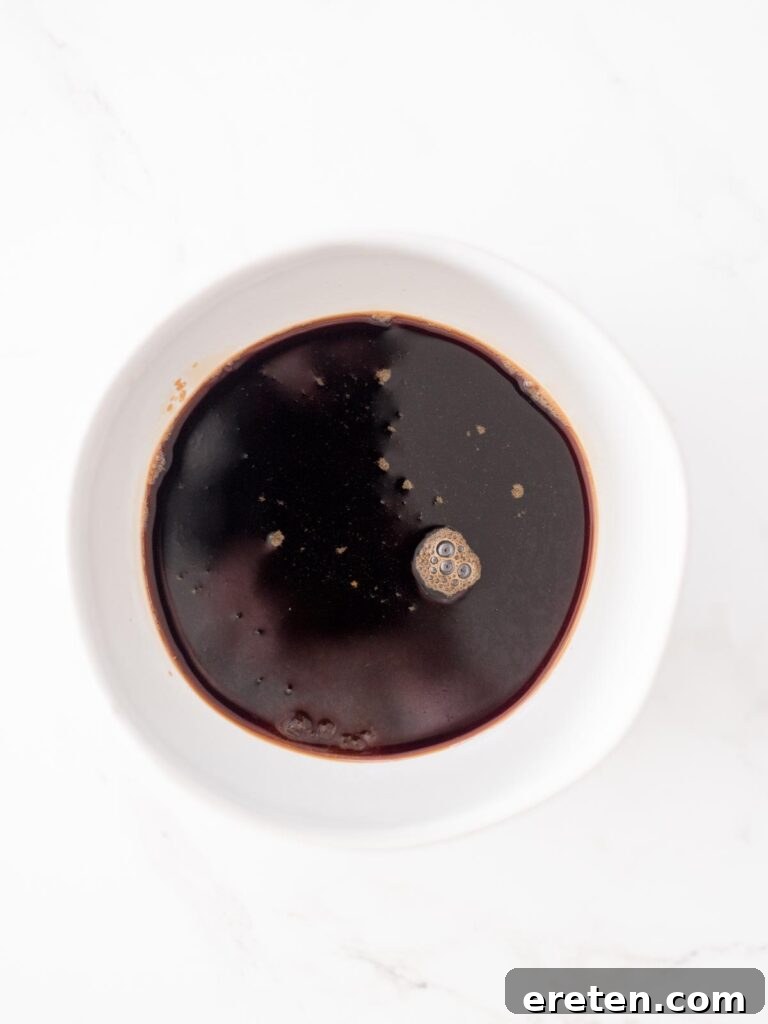
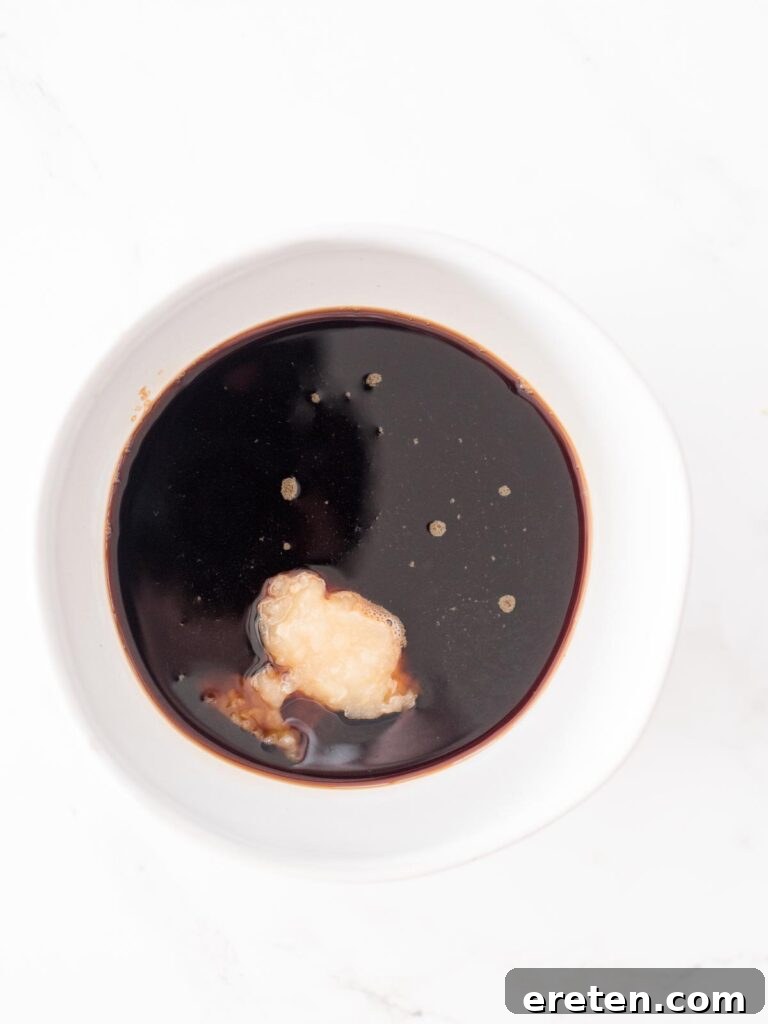
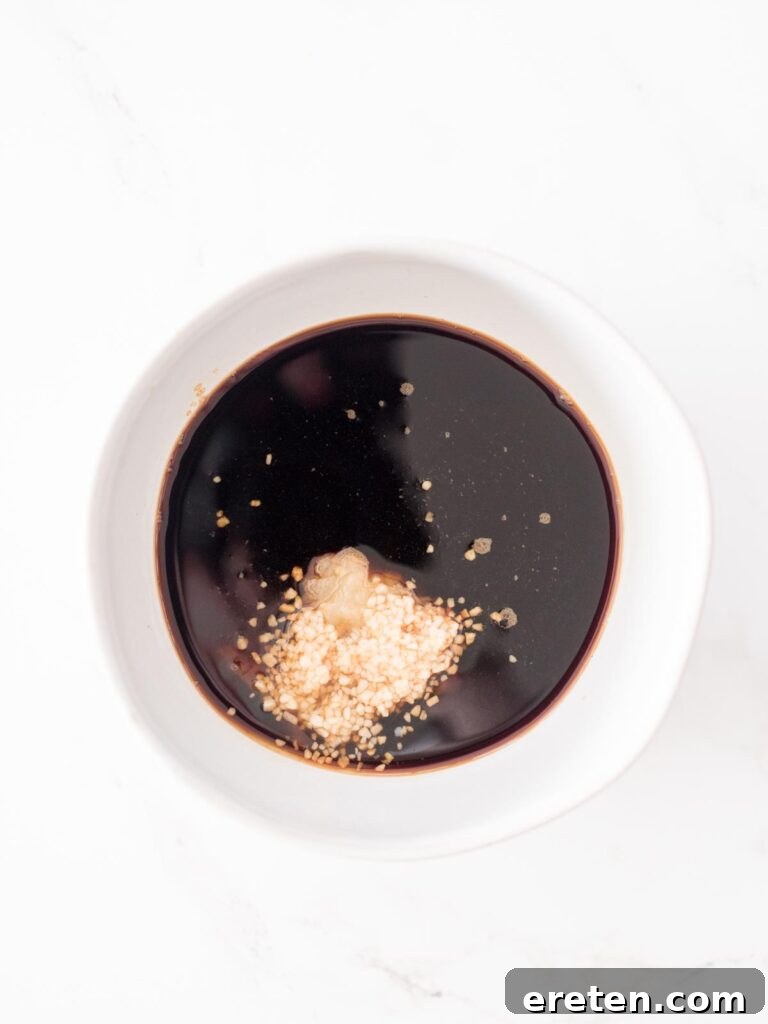
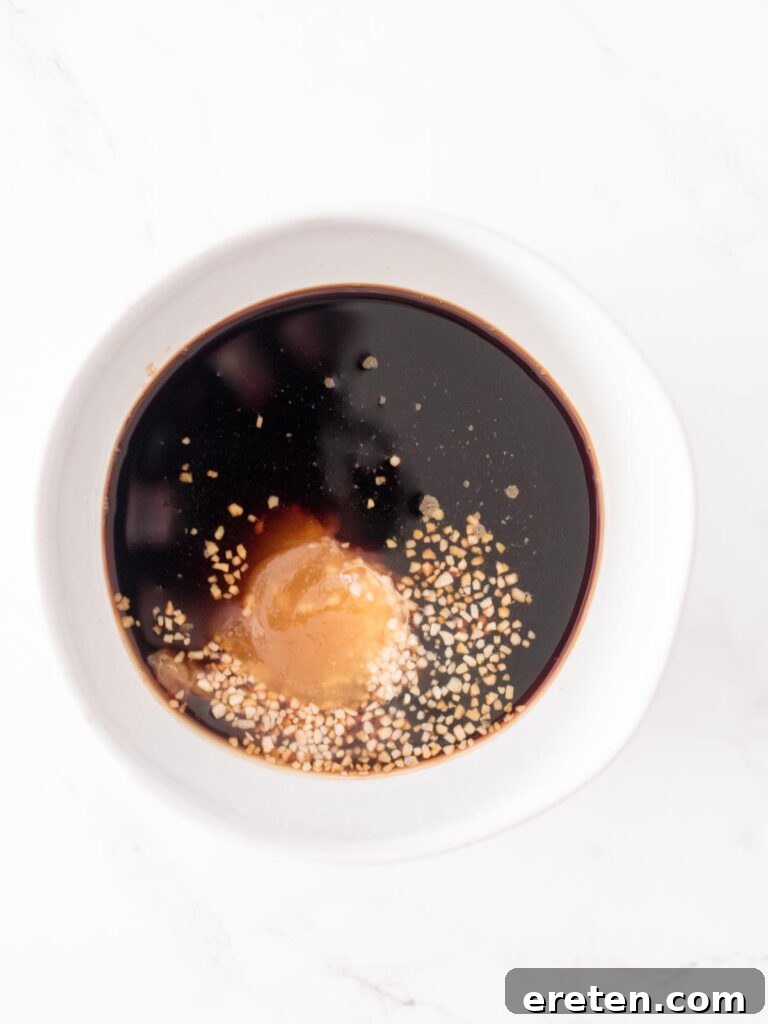
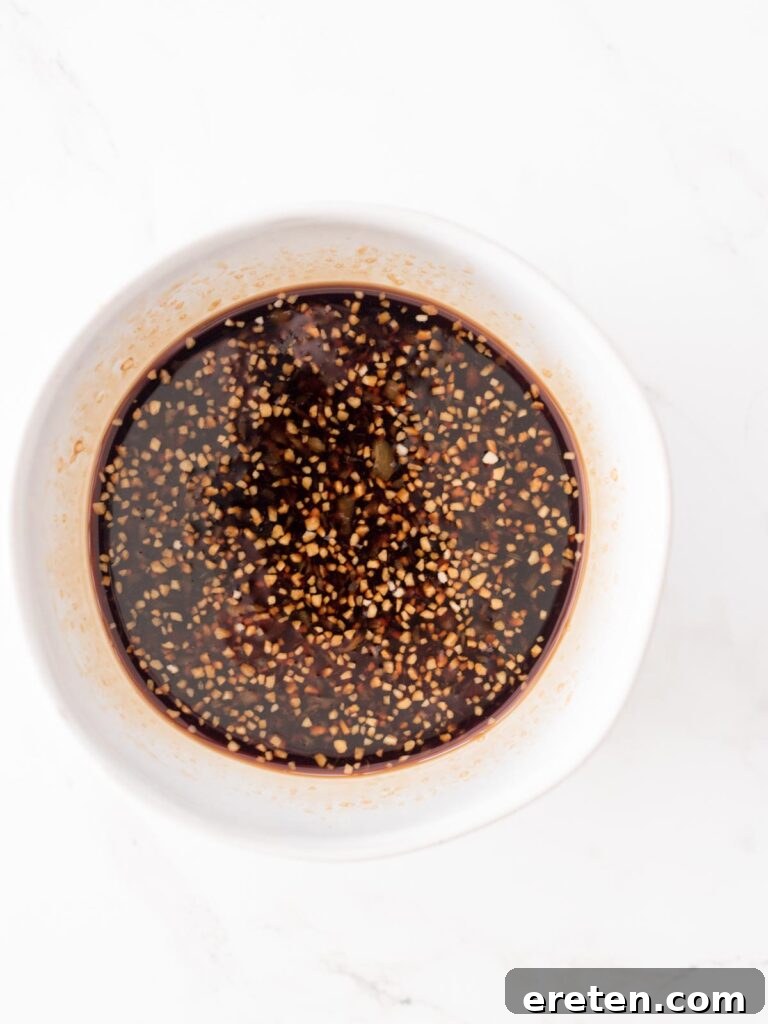
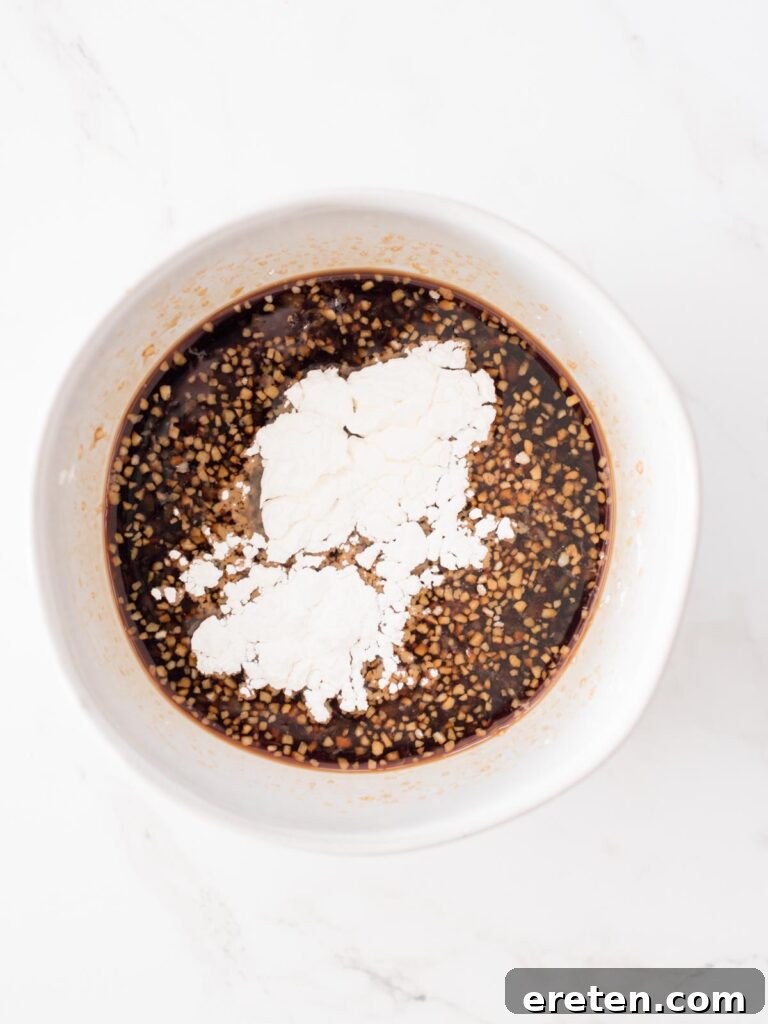
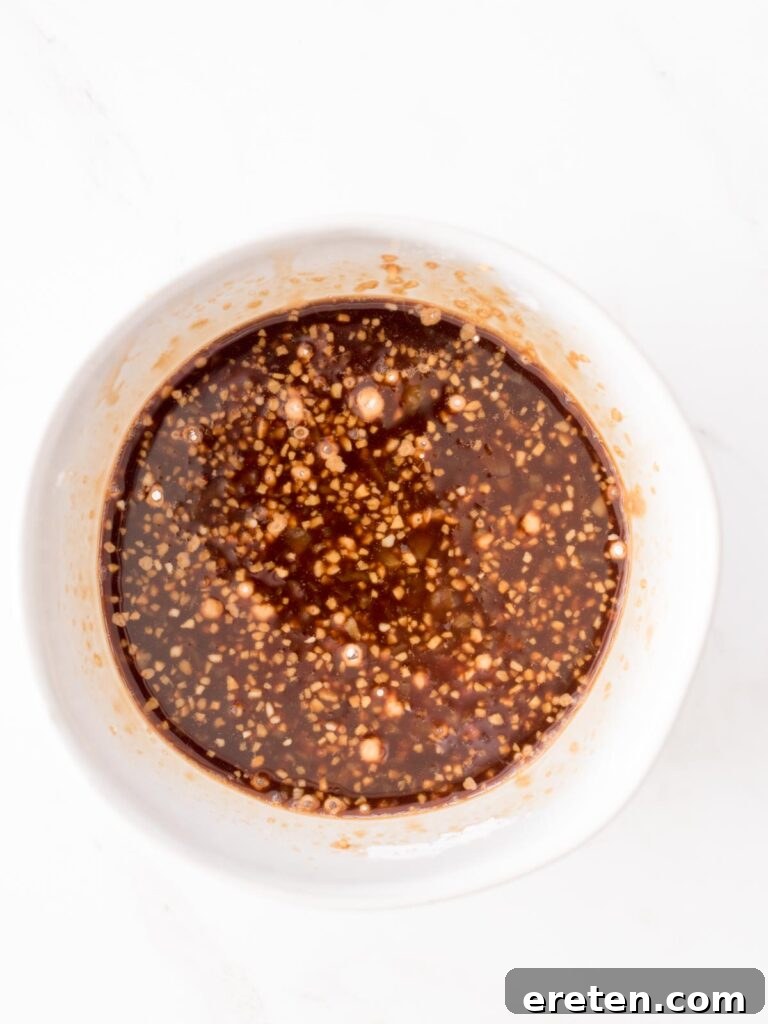
- Whip Up the Teriyaki Sauce: In a medium bowl, combine your low-sodium soy sauce, brown sugar, honey, minced garlic, minced ginger, and cornstarch. Whisk vigorously until all ingredients are thoroughly blended and the cornstarch is completely dissolved, leaving no lumps. Set this flavorful sauce aside.
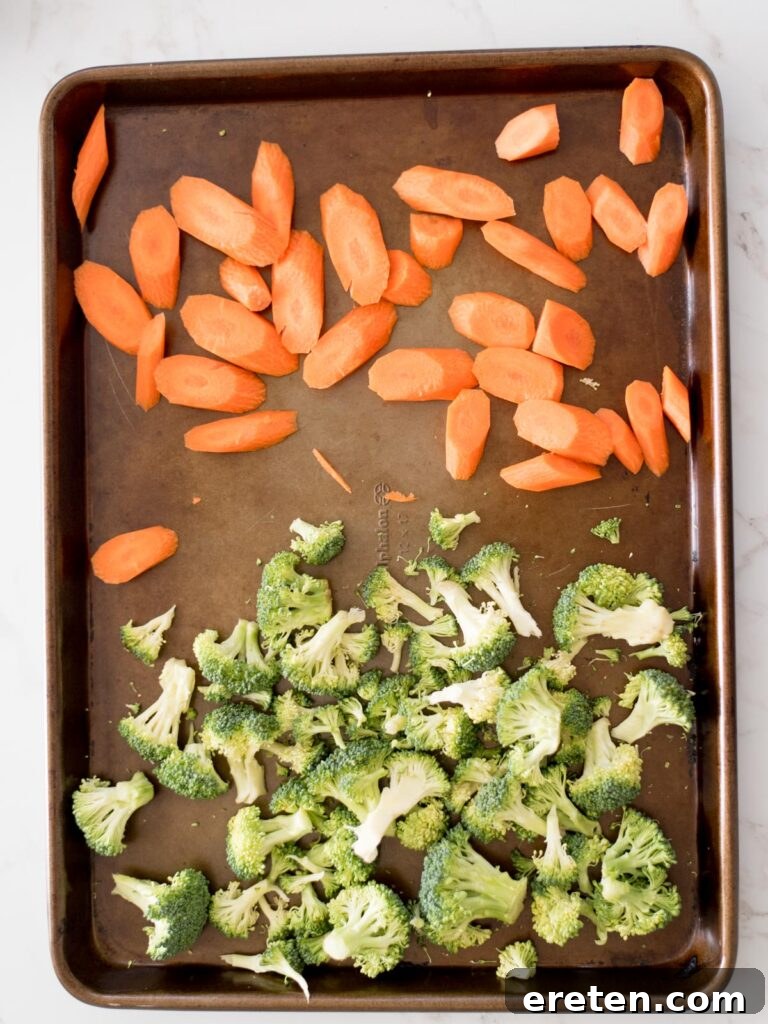
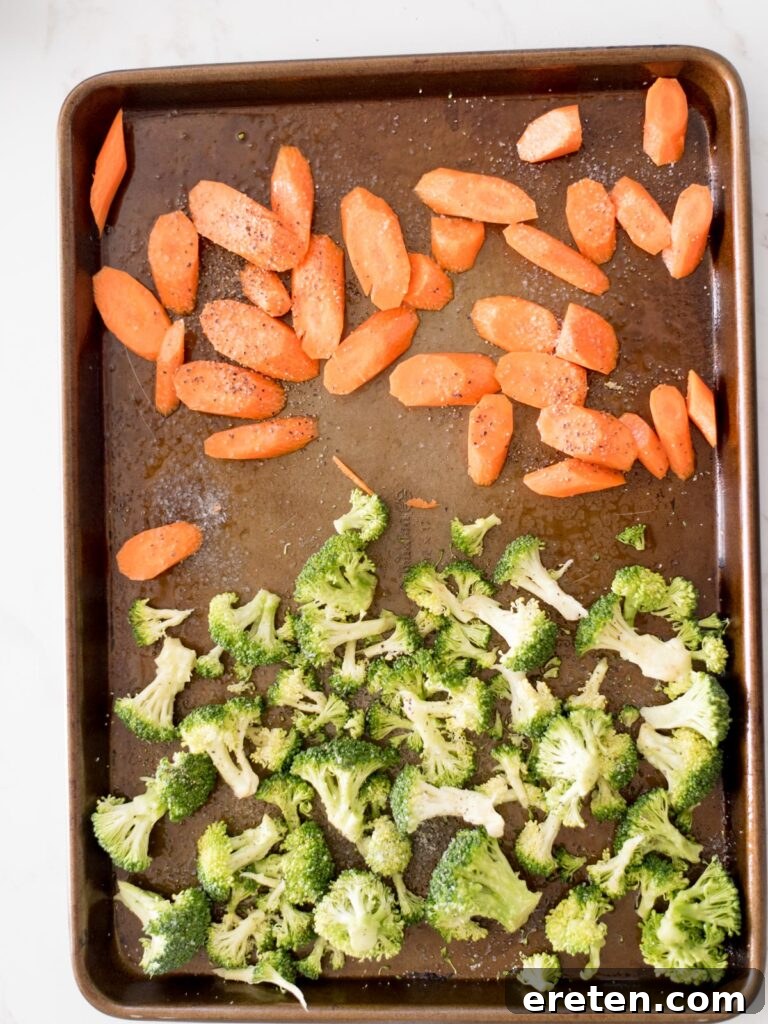
- First Round of Veggies: Arrange the broccoli florets and chopped carrots in a single layer on your baking sheet. Ensure they have some space to breathe; overcrowding can lead to steaming instead of roasting. Lightly spray them with avocado or sesame oil, then season generously with salt and black pepper. These harder vegetables require more cooking time, so they get a head start.
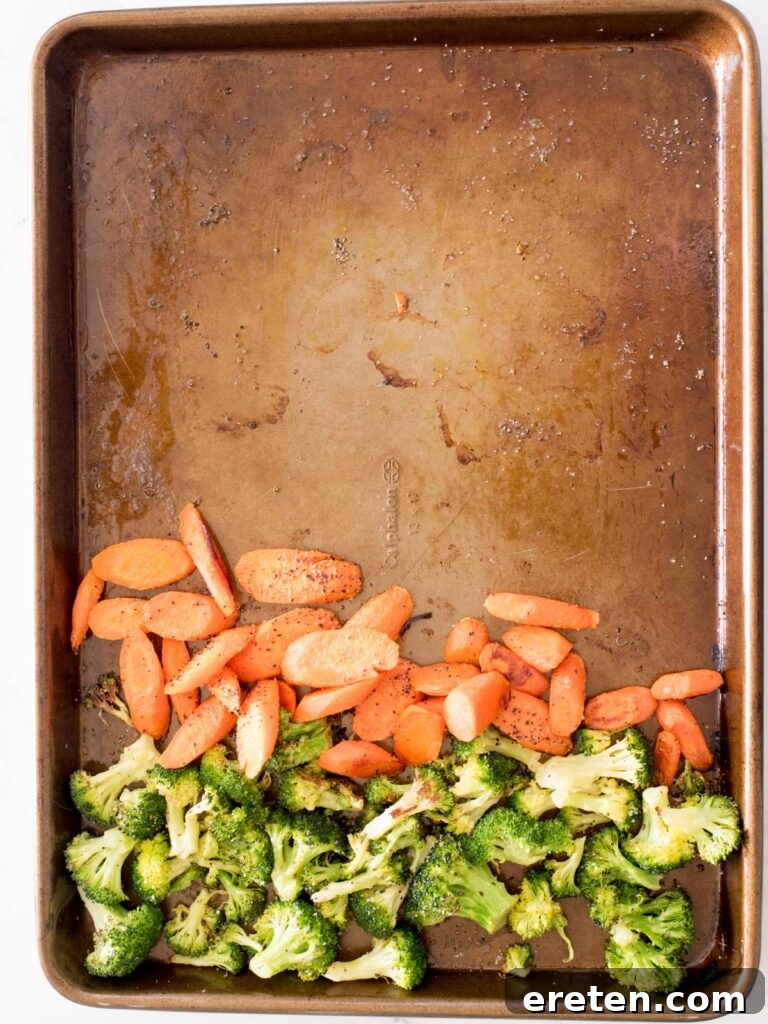
- Initial Roast: Place the baking sheet into the preheated oven and roast for 10 minutes. This allows the carrots to soften and the broccoli to begin tenderizing, ensuring they’ll be done alongside the beef.
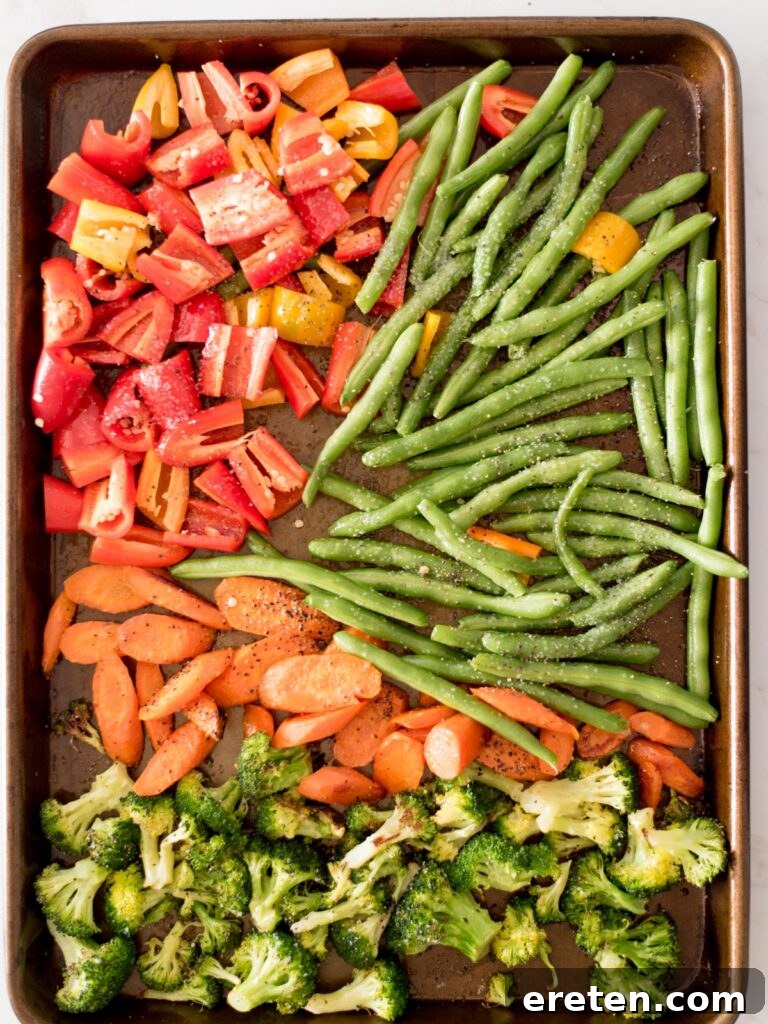
- Add More Vegetables: Carefully remove the baking sheet from the oven. Using a spatula or tongs, gently slide the partially roasted broccoli and carrots to one side of the pan. Now, add the fresh green beans and chopped bell pepper to the empty space on the baking sheet. Spray them with more avocado or sesame oil and season with salt and pepper. Chef’s Note: If you prefer your green beans very soft rather than tender-crisp, you can add them during step 3 with the broccoli and carrots.
- Second Roast: Return the baking sheet to the oven and continue roasting for another 5 minutes. This gives the newer vegetables a chance to start cooking before the beef is introduced.
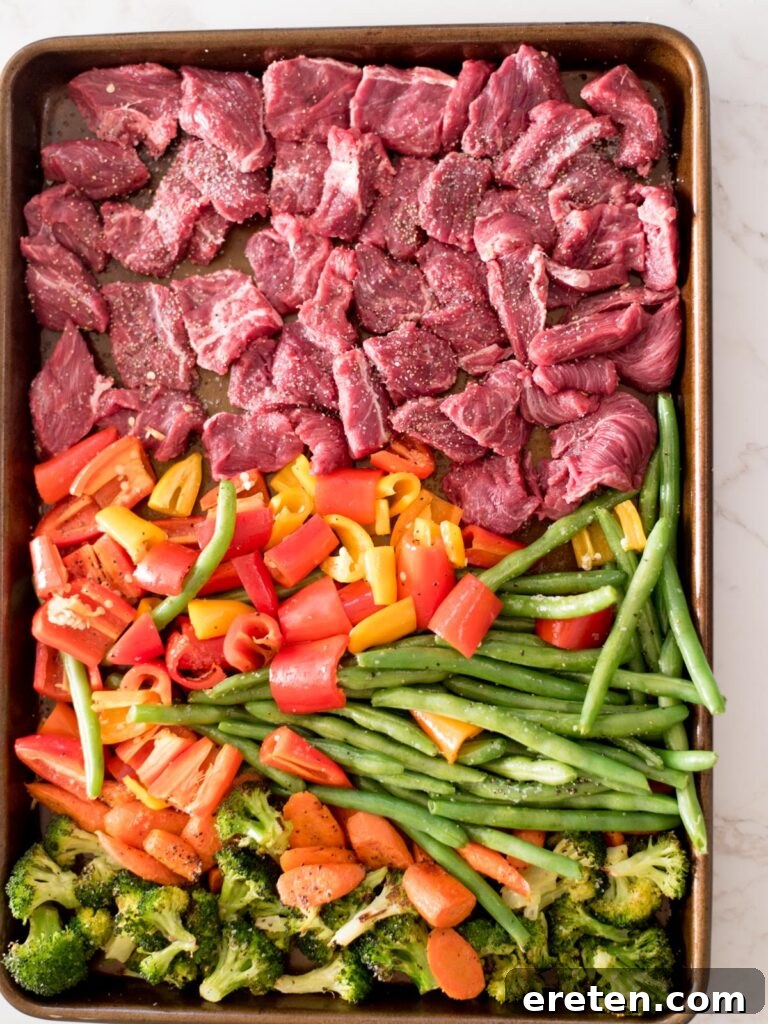
- Prepare for Beef: Remove the baking sheet from the oven once more. Slide all the vegetables over to create a clear space in the center of the pan for the beef.
- Add Beef and Sauce: Carefully arrange the thinly sliced beef sirloin or flank steak in a single layer on the cleared section of the sheet pan. It’s important not to overlap the meat, as this will prevent it from searing properly. Evenly pour the prepared teriyaki sauce over both the beef and the vegetables, ensuring everything is well coated.
- Final Roast: Place the baking sheet back into the oven and roast for 7 minutes. This short burst of high heat will cook the beef quickly and allow the sauce to begin thickening and glazing the ingredients.
- Broil for a Perfect Glaze: For that irresistible caramelized finish and a slightly crisp texture, turn on your oven’s broiler. Broil the dish for an additional 3 minutes. Keep a close eye on it during this step, as broilers can quickly burn food.
- Rest Before Serving: Remove the finished sheet pan from the oven and let it rest for 5-10 minutes. This resting period is crucial; it allows the beef to reabsorb its juices, making it more tender, and gives the teriyaki sauce time to thicken further into a rich, glossy glaze.
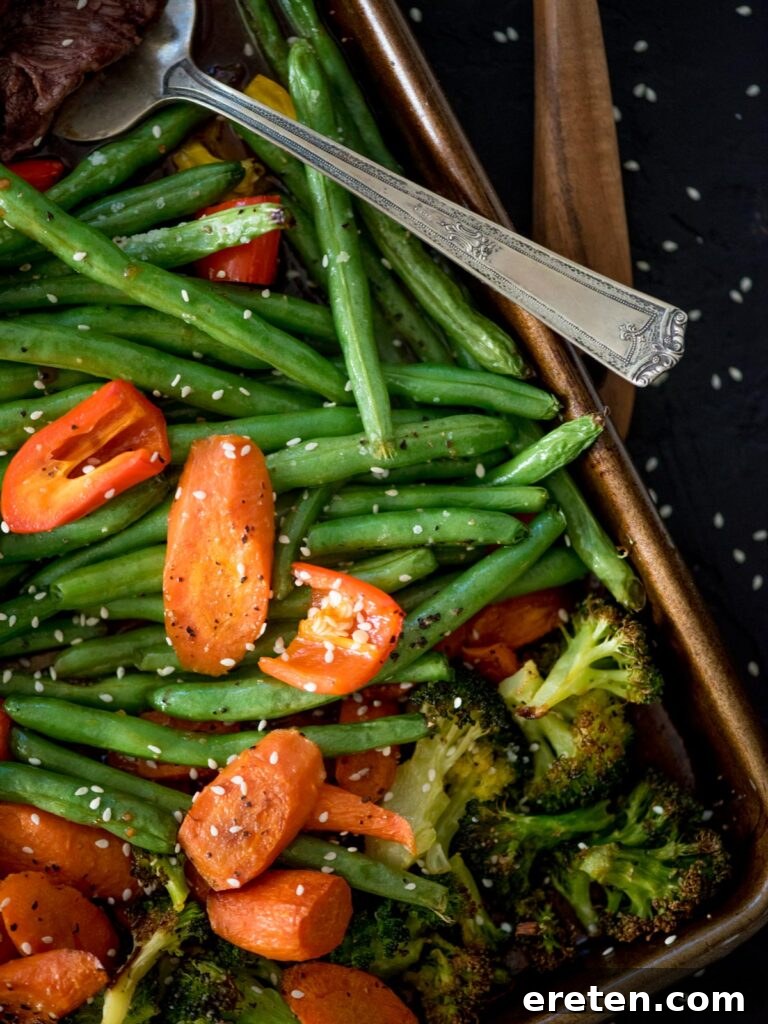
- Serve with Garnish: Serve your delicious Sheet Pan Beef Teriyaki and Vegetables hot, ideally over a bed of fluffy white rice or noodles. A sprinkle of sesame seeds adds an extra layer of nutty flavor and visual appeal.
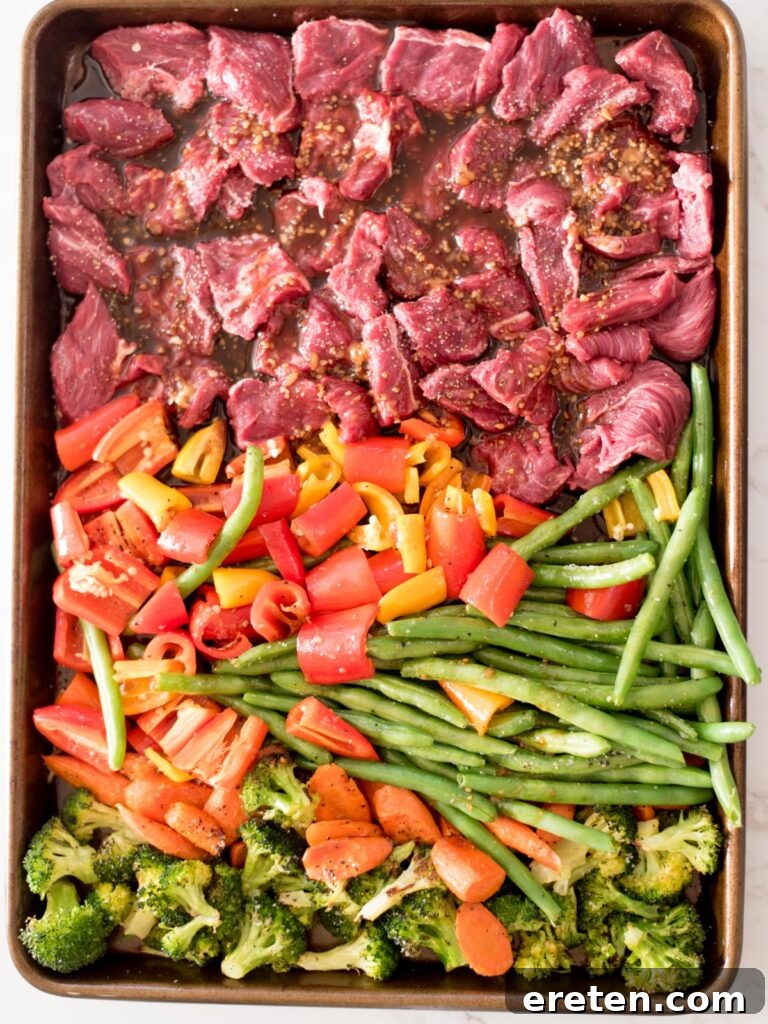
Expert Tips & FAQs for Perfect Teriyaki Beef and Broccoli
Achieving a perfectly balanced and tender sheet pan beef teriyaki involves a few key considerations. Here are some pro tips and answers to common questions to ensure your dish is always a success:
Timing Your Vegetables to Perfection
The staggered addition of vegetables in this recipe is a deliberate strategy. Heartier vegetables like carrots and broccoli need more time to become tender, while quicker-cooking ones like bell peppers and green beans can be added later to prevent them from becoming overcooked and mushy. This method ensures all your vegetables reach their ideal tender-crisp texture at the same time as the beef. If you prefer your vegetables very soft, you might consider adding them all together at the very beginning or giving the initial batch an extra 5 minutes before adding the rest and the beef.
Ensuring Tender Beef Every Time
The key to melt-in-your-mouth beef teriyaki lies in proper preparation and avoiding overcooking. Always start with beef that is completely thawed if it was previously frozen. Excess water from thawing can dilute your sauce and prevent it from thickening correctly, resulting in a less flavorful glaze and potentially tougher meat. I highly recommend using thinly sliced beef sirloin or flank steak. Sirloin is naturally tender and juicy, while flank steak, when sliced thinly against the grain, becomes remarkably tender and absorbs the sauce beautifully. Overcooking any cut of beef, especially leaner ones, is the fastest way to make it tough and chewy. Stick to the suggested cooking times and consider using a meat thermometer if you’re unsure (aim for medium-rare to medium for optimal tenderness).
What is the Best Cut of Beef for Teriyaki?
For the best flavor and texture in teriyaki, sirloin is often the top choice due to its balance of tenderness and beefy taste, though it can be a bit pricier. Flank steak and flat iron steak are excellent, more economical alternatives. They are lean but become wonderfully tender when sliced thinly against the grain and cooked quickly.
Can This Teriyaki Sheet Pan Dinner Be Made with Other Meats?
Absolutely! This versatile teriyaki sauce and sheet pan method can be adapted to almost any protein. It would be delicious with chicken breast or thighs, shrimp, or even pork tenderloin. When substituting, remember to adjust cooking times accordingly. Chicken and pork will generally require similar cooking times to beef, while shrimp cooks much faster (usually only 5-7 minutes in total).
Should You Cover Sheet Pan Dinners While Cooking?
It is generally not necessary, and often not recommended, to cover sheet pan dinners while cooking. Covering the pan traps steam, which will steam your ingredients rather than roast them, preventing them from browning and crisping up nicely. For optimal caramelization and texture, leave your sheet pan uncovered.
What Can I Use Instead of a Sheet Pan?
If you don’t have a dedicated sheet pan, a wide, flat casserole dish or any large oven-safe baking dish with low sides will work as a substitute. The key is to have a large surface area so your ingredients can spread out in a single layer. You might need to adjust cooking times slightly, as different materials (like ceramic vs. metal) conduct heat differently.
Should I Line My Sheet Pan?
Lining your sheet pan with parchment paper or foil is not strictly necessary for the cooking process itself, as the sauce will create a glaze. However, it is highly recommended for significantly easier cleanup. The sticky teriyaki sauce can caramelize and bake onto the pan, making scrubbing a chore. A liner ensures a quick and effortless wash-up.
Serving Suggestions to Elevate Your Meal
While this Sheet Pan Beef Teriyaki is a complete and satisfying meal on its own, served directly from the pan, there are many ways to complement and enhance it for a more substantial or varied dining experience:
- Classic Rice or Noodles: The most popular accompaniment is a bed of steaming white rice, brown rice, or even vermicelli noodles, which are perfect for soaking up every last drop of that delicious teriyaki sauce.
- Quinoa or Cauliflower Rice: For a healthier, high-protein, or low-carb option, serve it over quinoa or cauliflower rice.
- Unique Flavor Pairings: For an unexpected twist, try serving it with jalapeno lime rice. The zesty, spicy notes surprisingly complement the sweet and savory teriyaki beautifully, adding a refreshing contrast.
- Garnish Galore: Always finish with a sprinkle of toasted sesame seeds for added crunch and nutty flavor. Chopped green onions or fresh cilantro also make excellent garnishes, adding freshness and color.
Unleash Your Creativity: Substitutions and Alterations
This Sheet Pan Beef Teriyaki recipe is wonderfully flexible, allowing you to tailor it to your dietary preferences, what you have on hand, or simply what you’re craving. Don’t hesitate to experiment with these simple alterations:
- Boost the Spice: If you enjoy a kick, easily add some heat to your teriyaki sauce. A pinch of red pepper flakes or a dash of sriracha mixed into the sauce before cooking will give it a pleasant spicy edge.
- Beef Variations: While thinly sliced sirloin and flank steak are recommended for their tenderness and flavor absorption, other cuts like flat iron steak or even beef tenderloin, sliced appropriately, can also be used. Ensure consistent thin slicing for even cooking.
- Soy Sauce Alternatives: For those looking to reduce sodium or avoid soy entirely, coconut aminos are an excellent substitute for soy sauce. They offer a similar savory, umami flavor profile with less sodium and are soy-free.
- Brown Sugar Swaps: To lower the calorie or sugar content of the dish, you can substitute the brown sugar with a brown sugar alternative. Be mindful that taste and texture may vary slightly.
- Vegetable Medley: The beauty of a sheet pan meal is its adaptability. Feel free to use your favorite vegetables or whatever is seasonal and fresh. Great options include snap peas, mushrooms, zucchini, asparagus, or bok choy. If you choose vegetables with similar cooking times, you can toss them all together in a large bowl with oil, salt, and pepper before adding them to the baking sheet simultaneously. For vegetables with different cooking needs (e.g., quick-cooking mushrooms vs. denser sweet potatoes), follow the staggered cooking approach as outlined in the main recipe.
Meal Prep Made Easy: Storage and Reheating Tips
This Sheet Pan Beef Teriyaki is not only fantastic fresh but also makes for excellent leftovers, perfect for meal prepping. Proper storage and reheating will ensure your dish remains delicious and safe to eat.
How to Store in the Refrigerator
Once your sheet pan beef teriyaki has cooled to room temperature, transfer it to an airtight container. Stored properly in the refrigerator, it will remain fresh and flavorful for up to 3 days. This makes it a great option for packed lunches or quick weeknight meals.
How to Store in the Freezer
You have the flexibility to freeze this meal both before and after cooking, making it an ideal candidate for future busy nights.
- Raw (for future cooking): To freeze components raw for later use, add each type of vegetable (broccoli, carrots, green beans, bell pepper) to its own freezer-safe zip-top bag. Separately, place the thinly sliced beef into another freezer-safe bag. Finally, prepare the teriyaki sauce and store it in a small, sealed freezer-safe container or bag. Label all bags clearly with the contents and date. When you’re ready to cook, thaw all components in the refrigerator overnight and then proceed with the recipe instructions as directed.
- Cooked (for quick reheating): To freeze the entire cooked meal, allow it to cool completely. Then, transfer the beef and vegetables to a freezer-safe zip-top bag or an airtight container. This can be stored in the freezer for up to 2-3 months. When you’re ready to enjoy, thaw the meal in the refrigerator and then reheat using one of the methods below.
How to Reheat Teriyaki Beef and Broccoli for Optimal Flavor
Reheating leftovers can sometimes lead to dry meat, but with a little care, you can preserve the deliciousness of your teriyaki beef and broccoli. Be cautious not to overcook during reheating, as this is the primary cause of tough meat.
- Oven Reheating (Recommended): For the best results that retain flavor and texture, preheat your oven to 350°F (175°C). Spread the beef and vegetables on a baking sheet, ideally lined with parchment paper. Heat for about 15 minutes, or until thoroughly warmed through. Adding a tablespoon or two of water or broth to the pan and covering it loosely with foil for the first 10 minutes can help prevent drying.
- Microwave Reheating (Quick Option): If you’re short on time, the microwave is a convenient choice. Place your serving in a microwave-safe dish and cover it with a damp paper towel to help retain moisture. Heat on high for 1-2 minutes, checking and stirring halfway through, or until heated to your desired temperature. Be mindful not to overheat.
- Stove-top Reheating: For a small portion, you can reheat in a skillet over medium heat. Add a splash of water or broth to help create some steam and prevent the sauce from sticking or drying out. Stir frequently until heated through.
Other Delicious Asian-Inspired Recipes You Might Like
- Classic Beef Teriyaki
- One-Pot Chinese Beef and Broccoli
- Sweet & Spicy Asian Boneless Ribs
Recipe: Easy Sheet Pan Beef Teriyaki and Vegetables
This Asian-inspired sheet pan beef teriyaki is quick, easy, and delivers a delicious dinner in under 30 minutes, perfect for busy weeknights.
Recipe Overview
- Prep Time: 5 mins
- Cook Time: 25 mins
- Total Time: 30 mins
- Servings: 4 servings
- Average Rating: 4.86 out of 5 stars (based on 7 votes)
Equipment
- Sheet Pan
- Measuring Spoons
- Measuring Cups
- Sharp Knife and Cutting Board
Ingredients
For the Teriyaki Sauce:
- 1/2 cup low sodium soy sauce
- 1/4 cup brown sugar, unpacked
- 1 tablespoon honey
- 1/2 tablespoon minced garlic
- 1/2 tablespoon minced ginger
- 1 tablespoon corn starch
For the Sheet Pan:
- 1.5 pounds thinly sliced beef sirloin or flank steak
- 8 ounces broccoli, torn to a uniform size
- 4 large carrots, peeled and chopped
- 8 ounces fresh green beans
- 8 ounces bell pepper, chopped
- Avocado or sesame oil spray
- Salt and pepper to taste
Instructions
- Preheat the oven to 425°F (220°C).
- Make your teriyaki sauce by whisking together soy sauce, brown sugar, honey, minced garlic, minced ginger, and cornstarch until smooth. Set aside.
- Add the broccoli and carrots to a baking sheet. Spray with avocado oil and season with salt and pepper. (If you like softer green beans, you can add them in this step.)
- Roast in the oven for 10 minutes.
- Remove from the oven. Using a utensil, slide the broccoli and carrots over to the side. Add the green beans and bell pepper to the baking sheet. Spray them with avocado oil and season with salt and pepper.
- Place back in the oven for 5 minutes.
- Remove the baking sheet from the oven and slide the vegetables over to make room for the beef.
- Add the beef to the sheet pan, trying not to overlap the meat. Pour the sauce evenly over the meat and vegetables.
- Place the baking sheet back in the oven for 7 minutes.
- Turn on the broiler and broil for 3 minutes, watching carefully to prevent burning.
- Remove the baking sheet from the oven and allow it to cool for 5-10 minutes before serving. The sauce will thicken as it cools.
- Serve hot over rice topped with sesame seeds.
Notes
The vegetables are added in a specific order to ensure they are done when the meat is cooked through. If you prefer tender-crisp vegetables, they’ll need less time. If you like them softer, you might want to give them more time before adding the beef.
Make sure your beef is completely thawed if it has been previously frozen. If there is extra water in the beef, the sauce will not thicken correctly and may result in a less flavorful glaze.
Nutrition Information
Serving: 1/4th of pan, Calories: 409kcal, Carbohydrates: 29g, Protein: 40g, Fat: 14g, Saturated Fat: 6g, Polyunsaturated Fat: 0g, Trans Fat: 0g, Cholesterol: 0mg, Sodium: 1204mg, Fiber: 4g, Sugar: 19g
Nutrition information is automatically calculated, so should only be used as an approximation.
Additional Info
- Course: Dinner
- Cuisine: Asian
For comments or questions, please scroll down!