
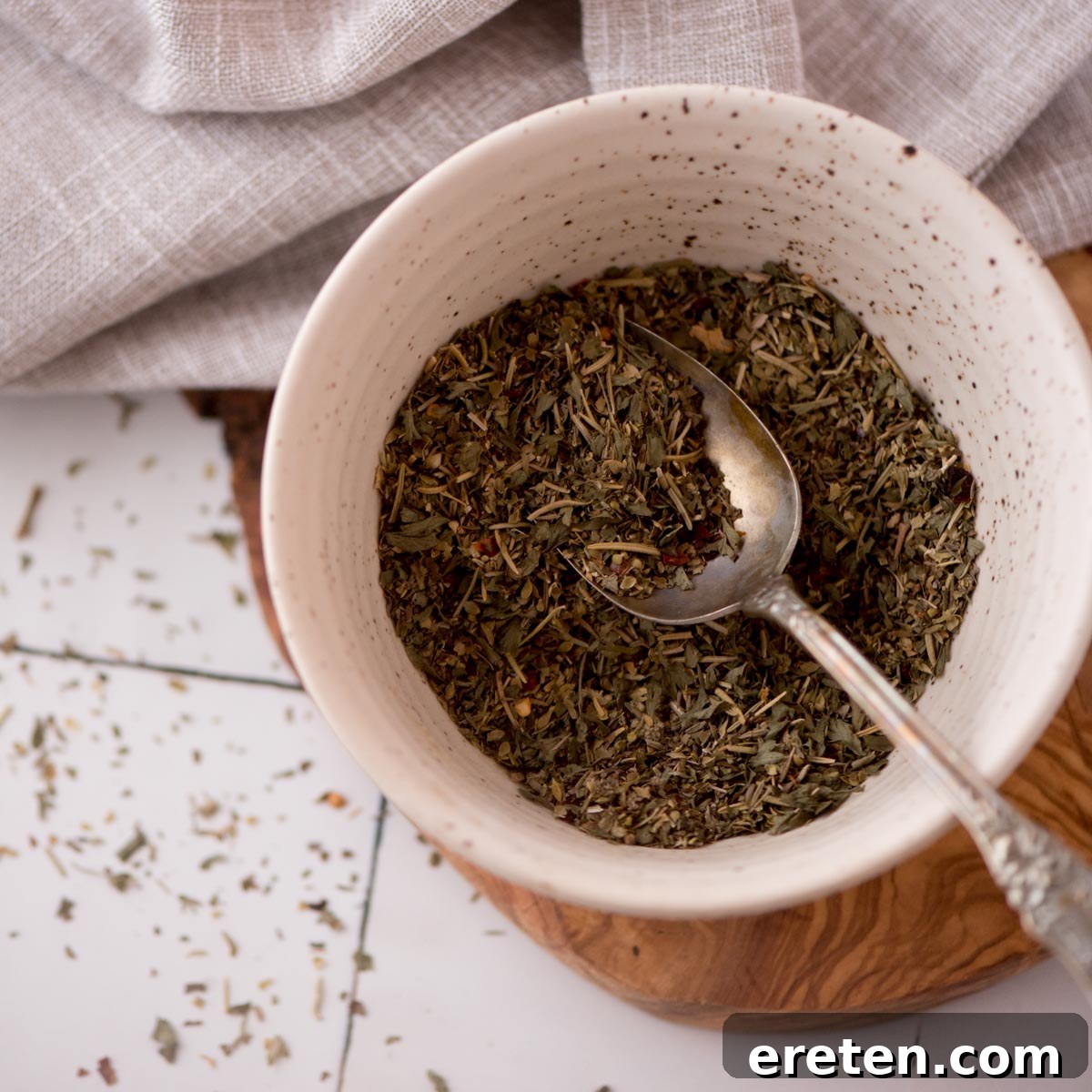
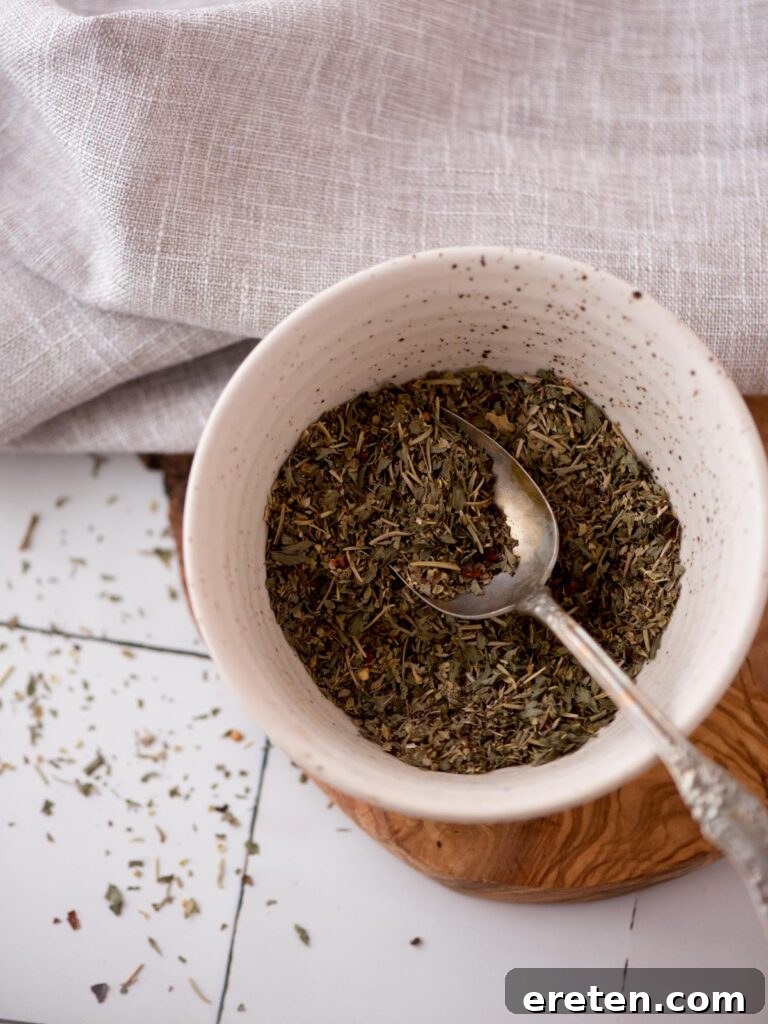
Transform your everyday cooking with a vibrant, aromatic homemade Italian seasoning blend that promises to elevate every dish. Forget about those dusty, bland jars lurking in the back of your spice cabinet; this DIY Italian seasoning recipe delivers an explosion of authentic Mediterranean flavor that truly shines, rather than getting lost in the background. The best part? You likely already possess most of the common herbs and spices required to craft this essential kitchen staple!
This post may contain affiliate links. This means if you decide to purchase through my link, I may earn a very small commission at no additional cost to you.
Craft the BEST Homemade Italian Seasoning Blend
There’s nothing more frustrating than being in the middle of preparing a delicious meal, only to discover you’re missing a crucial spice blend. This often leads to a last-minute dash to the grocery store or settling for a less flavorful alternative. But what if we told you that many popular spice mixes, especially a robust Italian seasoning, can be effortlessly prepared right in your own kitchen using simple, readily available ingredients? Learning how to make your own spice blends is not only a fantastic way to save money but also ensures you have the freshest, most potent flavors at your fingertips.
This exquisite homemade herb mix serves as the ultimate Italian seasoning substitute, proving indispensable for a wide array of classic Italian dishes. Imagine infusing your homemade meatballs, rich spaghetti sauce, layered lasagna, or crispy garlic bread with an authentic zest that store-bought varieties simply can’t match. This blend captures the essence of sun-drenched Italian kitchens, bursting with the aromatic notes of dried basil, oregano, rosemary, and more – a true symphony of fresh herbs transformed into a convenient dry mix.
Once prepared, simply transfer your bespoke blend into a clean mason jar or refill your existing spice jar. This perfect spice mix will become a celebrated fixture in your pantry, ready to bestow its rich, complex Italian flavors upon any dish at a moment’s notice. A single tablespoon of this DIY Italian seasoning is all it takes to transport your taste buds straight to Italy!
Are you a true connoisseur of Italian cuisine? Then you absolutely must try whipping up this equally fantastic Homemade Tuscan Seasoning Blend to complement your culinary repertoire.
Understanding Italian Seasoning: A Culinary Essential
Italian seasoning is more than just a mix of herbs; it’s a dry, aromatic blend that embodies the heart and soul of Italian cooking. Used globally, this versatile spice mixture is designed to imbue a wide range of dishes with that distinctive, beloved Italian taste. From simmering pasta sauces and vibrant salad dressings to savory marinades and even as a sprinkle on your favorite pizza, its applications are nearly endless.
At its core, a traditional Italian seasoning blend typically features a harmonious combination of dried herbs. The primary players often include basil, oregano, parsley, thyme, and rosemary. Beyond these staples, variations might incorporate marjoram and sage, which add layers of earthy depth. For those who appreciate a touch of warmth and subtle heat, red pepper flakes or a hint of cayenne pepper are sometimes included, giving the blend a delightful kick. While regional variations exist, the goal remains the same: to create a balanced, fragrant profile that enhances the natural flavors of food, making it an indispensable component of Mediterranean-inspired cuisine.
Why You’ll Fall in Love with This Homemade Italian Seasoning Mix
Making your own seasonings at home is a game-changer for any enthusiastic cook, and this Italian herb blend stands out as the finest alternative to store-bought options. Here’s a detailed look at why this recipe deserves a permanent spot in your spice rack:
- Effortless Preparation: This Italian herbs mix is remarkably simple to create. There’s no complex technique or specialized equipment required. Just combine all the dried ingredients, give them a good stir or shake, and your custom blend is ready to enhance your next meal. It’s perfect for busy weeknights or impromptu culinary creations.
- Customizable Salt Content: Unlike many commercial seasoning blends that come pre-salted, this recipe contains no added salt. This crucial feature allows you complete control over the sodium levels in your dishes. You can season each meal to your precise liking, ensuring perfect balance and catering to dietary preferences without the worry of an overly salty mixture.
- Unrivaled Flavor & Aroma: Prepare for an unparalleled sensory experience. This blend is absolutely packed with vibrant flavor and intoxicating Italian aromas, thanks to the carefully selected combination of eight distinct herbs and spices. Each ingredient plays a vital role, contributing to a complex, well-rounded profile that makes every bite memorable.
- Accessible Ingredients: One of the greatest advantages of this DIY Italian seasoning is its reliance on basic, common herbs. Most likely, these key ingredients are already staples in your spice cabinet, eliminating the need for special grocery trips or expensive purchases. It’s a smart, economical way to ensure you always have premium seasoning on hand.
- Superior Freshness: When you make your own seasoning, you control the freshness of the ingredients. Using high-quality, recently purchased dried herbs means a more potent and vibrant flavor profile compared to mass-produced blends that might have sat on a shelf for extended periods.
- No Unwanted Additives: Commercial spice mixes can sometimes contain anti-caking agents, fillers, or artificial flavors. By crafting your own, you ensure that your Italian seasoning mix is pure, natural, and free from any unwanted extras.
Essential Homemade Italian Seasoning Ingredients
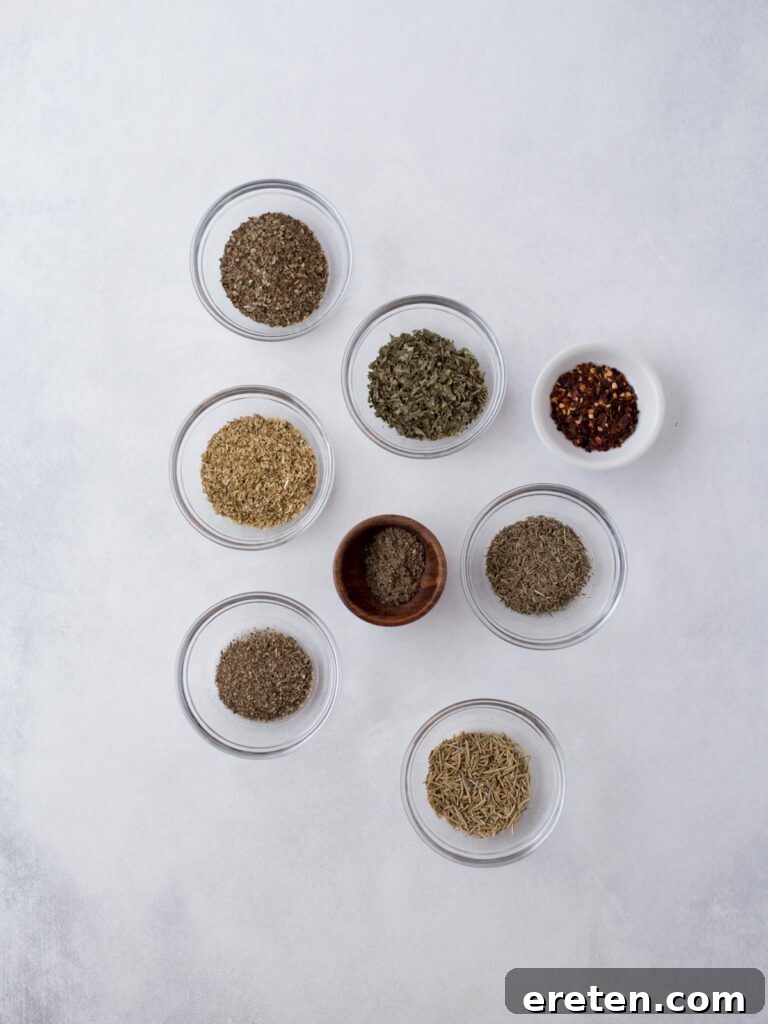
Creating your very own Italian seasoning blend is a gratifying experience, requiring just a handful of dried herbs that are likely already gracing your spice rack. To assemble this vibrant herb blend, you will need the following:
- Dried basil: Offers a sweet, peppery, and slightly minty note, quintessential to Italian cuisine.
- Dried oregano: Imparts a pungent, earthy, and slightly bitter flavor, often associated with pizza and tomato sauces.
- Dried parsley: Provides a fresh, clean, and slightly peppery taste, adding brightness to the mix.
- Dried thyme: Contributes a subtle, earthy, and minty flavor with hints of lemon.
- Dried rosemary: Delivers a strong, piney, and woody aroma, perfectly complementing roasted meats and vegetables.
- Dried marjoram: A milder, sweeter cousin to oregano, offering a delicate, floral, and woody undertone.
- Dried sage: Known for its earthy, peppery, and slightly bitter flavor, adding depth and warmth.
- Red pepper flakes (optional): For those who enjoy a gentle, warming kick that enhances the overall flavor profile.
Should you find yourself without one or two of these ingredients, don’t fret! Your homemade Italian seasoning will still be incredibly flavorful and effective. This recipe purposefully omits salt and black pepper; I prefer to add these seasonings directly to individual dishes, allowing for precise control over the final taste. However, you are absolutely welcome to incorporate them into your blend if that suits your culinary style. A touch of white pepper can also be a delightful addition, offering a subtle, refined heat.
For an extra layer of savory depth, consider integrating a small amount of garlic powder or onion powder into your mixture. These powerful aromatics can amplify the overall Italian flavor profile, adding complexity and richness.
Only have fresh herbs on hand? No problem! Fresh basil, for example, is remarkably easy to grow and often yields an abundant harvest. For the green-thumbed among us, consider drying your fresh herbs in the microwave. This quick and efficient method allows you to transform your garden bounty into ready-to-use dried herbs, perfect for your homemade spice blends.
Essential Tools for Your Seasoning Craft
Measuring Spoons
Buy Now →
Glass Mixing Bowls
Buy Now →
Spice Jars with Labels
Buy Now →
How to Craft Your Own Authentic Italian Seasoning
Creating your own homemade seasoning blends is a surprisingly simple and rewarding culinary endeavor. This particular Italian blend is not just a substitute for commercial varieties; it’s an upgrade that will infuse your cooking with depth and authenticity. Here’s how to bring this vibrant mix to life:
- First, gather a clean mixing bowl or, for convenience and easy mixing, a large jar with a tight-fitting lid. Ensure there’s ample room to comfortably stir or shake the ingredients.
- Next, carefully measure and add all the specified dried herbs into your chosen container. Precision in measurement helps achieve a balanced flavor profile, though remember this recipe is flexible to your tastes!
- Once all herbs are in the container, mix them thoroughly. If using a bowl, a spoon or whisk will do the trick. If you opt for a jar, simply secure the lid tightly and shake vigorously until all the herbs are evenly distributed and combined. This ensures every pinch of your seasoning delivers a consistent burst of flavor.
- For optimal freshness and to preserve the potent aromas of your newly created Italian seasoning mix, store it in an airtight container. A cool, dry place, away from direct sunlight and heat, is ideal. I personally love using designated spice jars; they integrate seamlessly into my existing spice collection and keep everything organized. For a mess-free transfer into smaller jars, handy spice funnels are an absolute lifesaver.
Expert Tips & Creative Tricks for Your Italian Seasoning
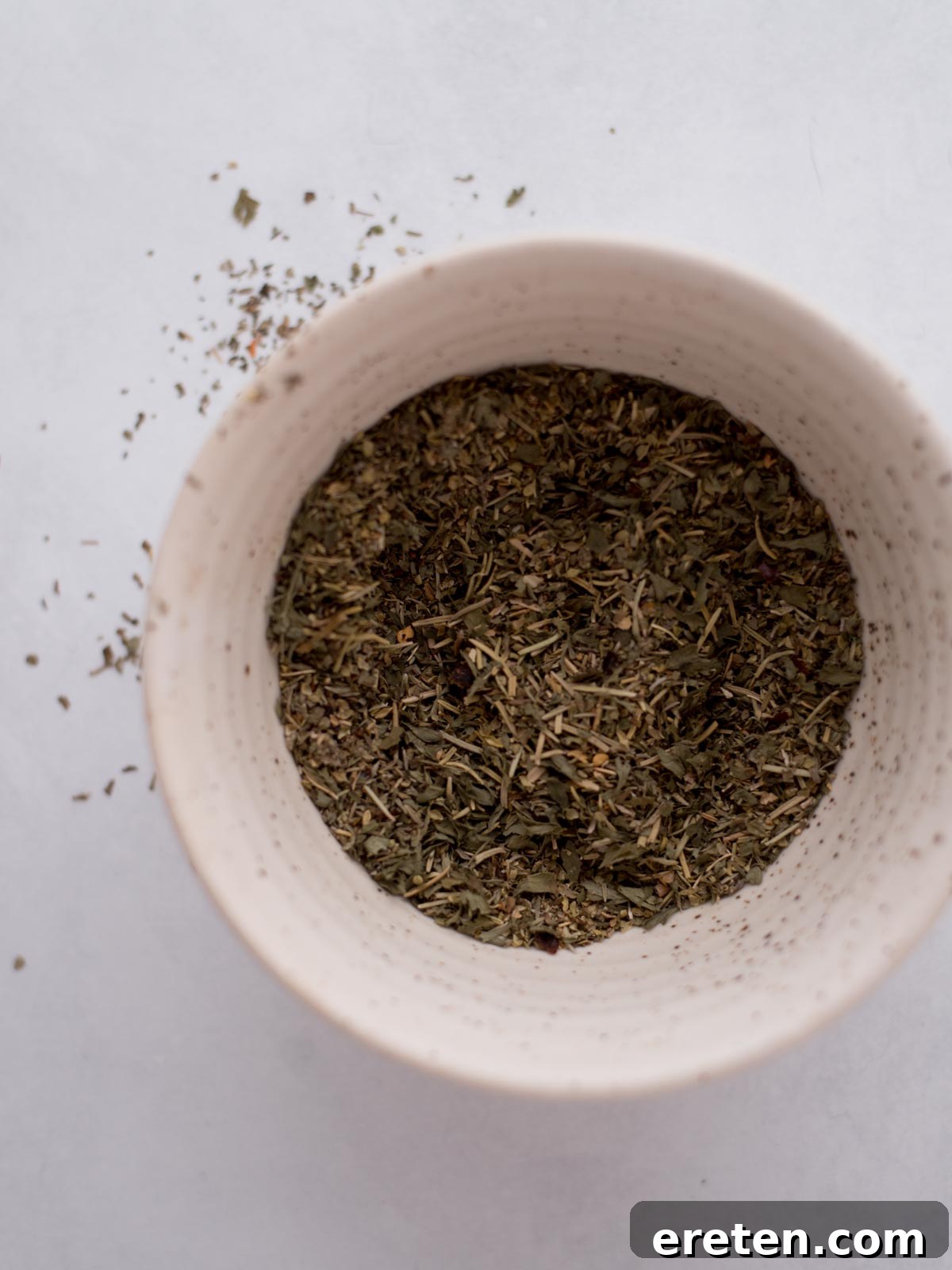
Enhance your homemade Italian seasoning experience with these invaluable tips and creative suggestions:
- Maximize Freshness: Did you know that dried herbs and spices don’t maintain their potency indefinitely? They gradually lose their vibrant flavor and aroma over time, and in rare cases, can even go rancid. For the freshest and most impactful taste, always check the expiration dates on your individual herb containers. A good practice is to perform a biannual “spice audit” – I personally make a point to check all mine twice a year, refreshing anything that has lost its vigor.
- Personalize Your Blend: This recipe serves as an excellent foundation, but feel empowered to make it truly your own. Don’t hesitate to adjust the quantities of each individual ingredient to perfectly match your taste preferences. If you adore the robust notes of oregano, add a little extra! While not traditionally found in all Italian seasoning blends, a dash of garlic powder can introduce a wonderful savory depth that many find irresistible. Similarly, a hint of onion powder can add another layer of aromatic complexity.
- Optimal Storage for Longevity: The key to preserving the exquisite flavor and aroma of your homemade herb blend is proper storage. Always transfer your DIY Italian seasoning to an airtight container. Keep this container in a cool, dark, and dry place, far from heat sources like your stovetop or oven, and away from direct sunlight. This simple step will significantly extend the life and potency of your seasoning.
- Explore Unique Flavor Additions: For an intriguing twist that deviates slightly from conventional Italian seasoning blends, consider incorporating fennel seed. Its distinct licorice-like, earthy flavor is incredibly versatile and can add a gourmet dimension to a wide variety of dishes, from Italian sausages to slow-cooked ragus. It pairs surprisingly well with the traditional herb profile.
- Embrace Your Inner Chef: This is *your* blend! If there’s a particular herb or spice that you find yourself reaching for more often, or a flavor profile you wish to emphasize, feel free to experiment. Whether it’s a bolder rosemary note or a more pronounced hint of marjoram, tailor your homemade Italian seasoning blend to reflect your unique culinary signature.
- Elevate Store-Bought Sauces: A fantastic trick for quickly enhancing even the simplest meals is to stir a few tablespoons of your homemade Italian seasoning into a jar of store-bought marinara sauce. This instant flavor booster will transform a basic sauce into one that tastes slow-simmered and bursting with authentic Italian goodness, bringing those beloved Mediterranean flavors to the forefront.
- Consider Grinding: For an even more potent flavor release, lightly crush or grind your dried herbs (especially rosemary and oregano) before mixing. A mortar and pestle or a small spice grinder can unlock hidden aromatic oils, resulting in a more intense and fragrant seasoning.
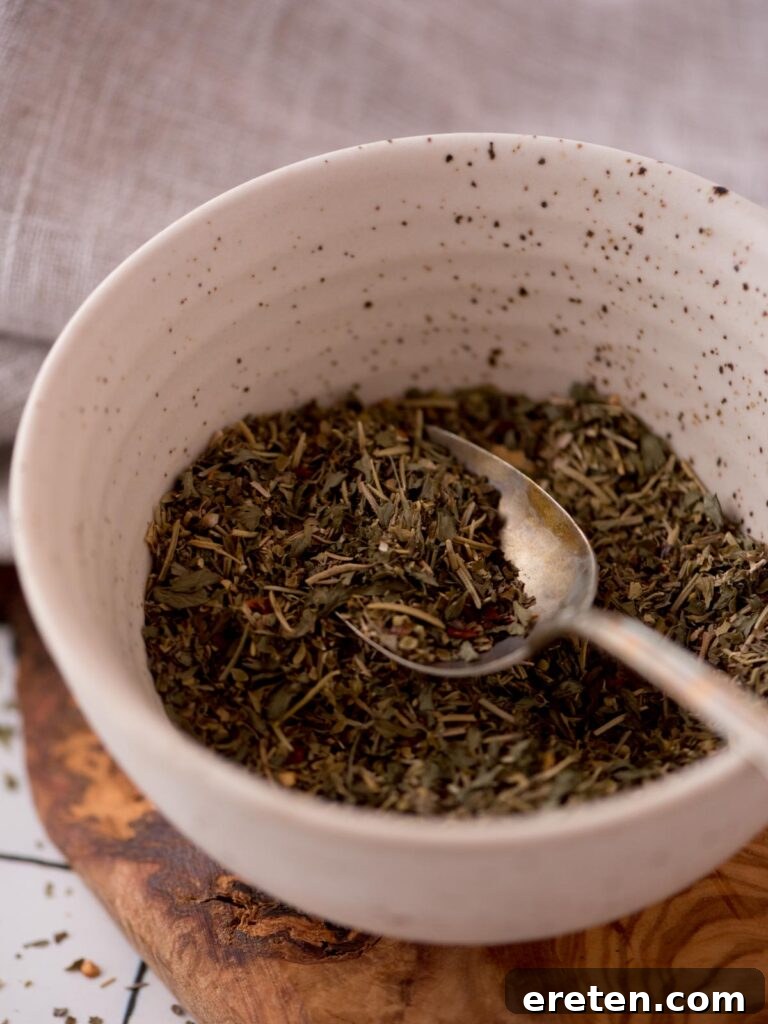
Incorporate Homemade Italian Seasoning into Your Culinary Creations
This versatile homemade Italian seasoning mix is an indispensable ingredient, capable of enhancing countless Italian recipes and beyond. Its aromatic blend is incredibly good in so many dishes, quickly becoming a go-to in your kitchen.
You’ll most frequently find yourself reaching for this blend when preparing comforting pasta dishes. It’s a perfect complement to succulent meatballs, rich meat sauces, or a classic marinara. During the colder months, hearty meals like baked chicken cacciatore and warming lasagna soup are on regular rotation in my home, and this seasoning makes all the difference. When summer arrives, I love to prepare a refreshing Italian Pasta Salad for barbecues and outdoor gatherings.
Don’t limit its use to just pasta! A generous sprinkle over homemade pizza – or even a frozen one for a quick upgrade – will jazz it up instantly. It’s also absolutely fantastic on garlic breadsticks, giving them an extra layer of savory perfection. This seasoning truly shines in unexpected places too: adding Italian seasoning is a simple yet effective way to transform humble side dishes, like everyday green beans, into a flavorful accompaniment that tastes like it came straight from a charming trattoria in Rome, Venice, or Florence.
Beyond Italian cuisine, this blend can be a good substitute for Greek seasoning in a pinch, lending a familiar yet distinct Mediterranean flavor to various dishes like roasted vegetables, grilled chicken, or even a simple vinaigrette. Experiment and discover your favorite ways to use this dynamic DIY Italian seasoning!
Proper Storage for Long-Lasting Freshness
A crucial pro tip for ensuring your homemade spice mixes retain their peak freshness and potency is meticulous storage. Always store your Italian seasoning in an airtight jar or container. Keeping it at room temperature, but importantly, in a cool, dry, and dark place (such as a pantry or cabinet away from sunlight and heat-generating appliances), will significantly prolong its shelf life. This simple practice helps to prevent the volatile oils in the herbs from dissipating, ensuring that your blend delivers its full, vibrant flavor every time you use it.
Frequently Asked Questions About Italian Seasoning
While both Herbes de Provence and Italian seasoning are delightful dried herb blends, they hail from different culinary traditions and offer distinct flavor profiles. Italian seasoning blends are rooted in Italian cuisine, prominently featuring pungent herbs such as basil, oregano, parsley, thyme, and rosemary, often complemented by marjoram and sage. Some variations may also include red chili flakes or a hint of bay leaf powder, contributing to its savory, earthy character.
Herbes de Provence, on the other hand, is a signature blend of French cuisine. This aromatic mix typically includes lavender, savory, marjoram, rosemary, thyme, and oregano. The inclusion of lavender is a key differentiator, imparting a unique floral and slightly sweet note that sets it apart from the more robust, savory Italian blend. Each blend offers its own charm, making them suited for different culinary applications.
Yes, typically Italian seasoning is gluten-free. It is primarily composed of dried herbs and spices, which naturally do not contain flour or gluten. However, it’s always prudent to check the labels of commercial brands if you have a severe gluten allergy or sensitivity, as cross-contamination during processing, though rare, could be a concern. When making your own DIY Italian seasoning, you have complete control, ensuring it is naturally gluten-free.
The core ingredients that define Italian seasoning are a selection of dried herbs. These commonly include basil, oregano, parsley, thyme, rosemary, marjoram, and sage. For those who enjoy a little zest, red pepper flakes are often added to provide a subtle kick of spice, enhancing the overall vibrant flavor. This combination creates the classic, unmistakable taste of Italian cuisine.
While both Italian seasoning and all-purpose seasoning are versatile blends, they serve distinct purposes due to their differing flavor profiles. Italian seasoning is specifically designed to complement the flavors prevalent in Italian dishes, primarily consisting of dried oregano, basil, thyme, rosemary, and marjoram. Its flavor is inherently Mediterranean and herbaceous.
All-purpose seasoning, as its name suggests, is far more broadly applicable. It typically features a wider range of ingredients that aim for a universally palatable flavor, often including garlic powder, onion powder, paprika, black pepper, thyme, and oregano. Consequently, Italian seasoning is best utilized in specific Italian-inspired recipes, while all-purpose seasoning offers versatility across a vast spectrum of dishes, including meats, vegetables, soups, and stews.
If you find yourself without dried thyme, a suitable alternative for your Italian seasoning blend is savory. Savory offers a somewhat similar herbaceous, peppery, and earthy flavor profile, though it tends to be stronger and more pungent than thyme. When making this substitution, it’s advisable to use a slightly lesser amount of savory initially, tasting and adjusting as needed, to avoid overwhelming the other delicate flavors in your mix.
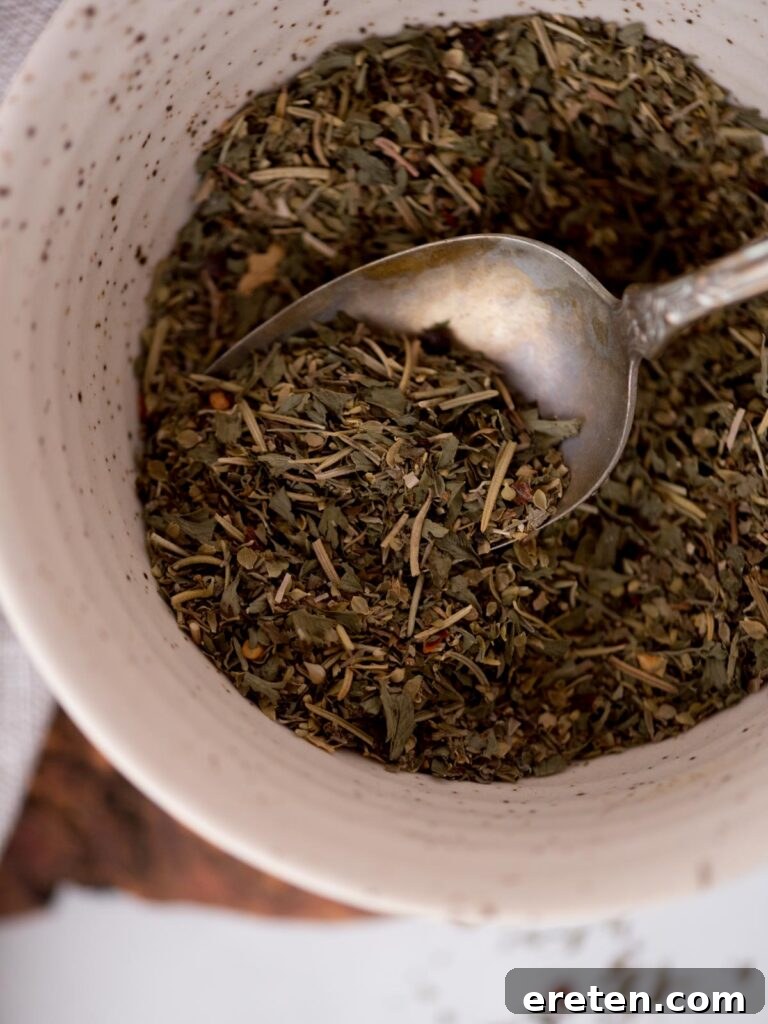
Explore More Homemade Seasoning Blends
Diversify your spice rack and elevate your cooking with these other fantastic homemade seasoning recipes. Each blend is designed to bring vibrant, fresh flavor to your favorite dishes:
- Homemade Fajita Seasoning Mix
- Authentic Homemade Taco Seasoning
- Flavorful Chicken Rub
- Zesty Jamaican Jerk Seasoning
DIY Italian Seasoning Recipe
No ratings yet
Ingredients
- 2 tablespoons dried basil
- 2 tablespoons dried oregano
- 2 tablespoons dried parsley
- 1 tablespoon dried thyme
- 1 tablespoon dried rosemary
- 1/2 tablespoon dried marjoram
- 1 teaspoon dried sage
- 1/2 teaspoon red pepper flakes optional
Instructions
-
Add all of the herbs to a mixing bowl or jar. Mix to combine.
-
Store sealed in a cool, dry place.
Nutrition
Calories: 80kcal,
Carbohydrates: 18g,
Protein: 5g,
Fat: 2g,
Saturated Fat: 1g,
Polyunsaturated Fat: 1g,
Monounsaturated Fat: 0.3g,
Sodium: 47mg,
Potassium: 531mg,
Fiber: 11g,
Sugar: 1g,
Vitamin A: 905IU,
Vitamin C: 9mg,
Calcium: 511mg,
Iron: 18mg
Nutrition information is automatically calculated, so should only be used as an approximation.